What a convention in France really requires
A convention differs from a seminar in one respect: the number of people who must be in the right place at the same moment. Three hundred participants, interpreters, a stage crew, a press corner and a gala dinner share a single critical path, and a delay in one element is felt by all the others.
We therefore begin with the constraints rather than the decor: the plenary capacity you need, the number of breakout rooms, the arrival profile of the delegates, the languages in use and the dates that cannot move. From these we build a realistic frame and tell you early what fits and what does not.
France offers dedicated convention centres in most major cities, as well as hotels with large ballrooms and exceptional private sites for the evening. Our work is to combine these elements into a coherent whole, with one project manager answering for the entire programme and a single budget that remains readable from the first proposal to the final invoice.
Choosing the venue and the region
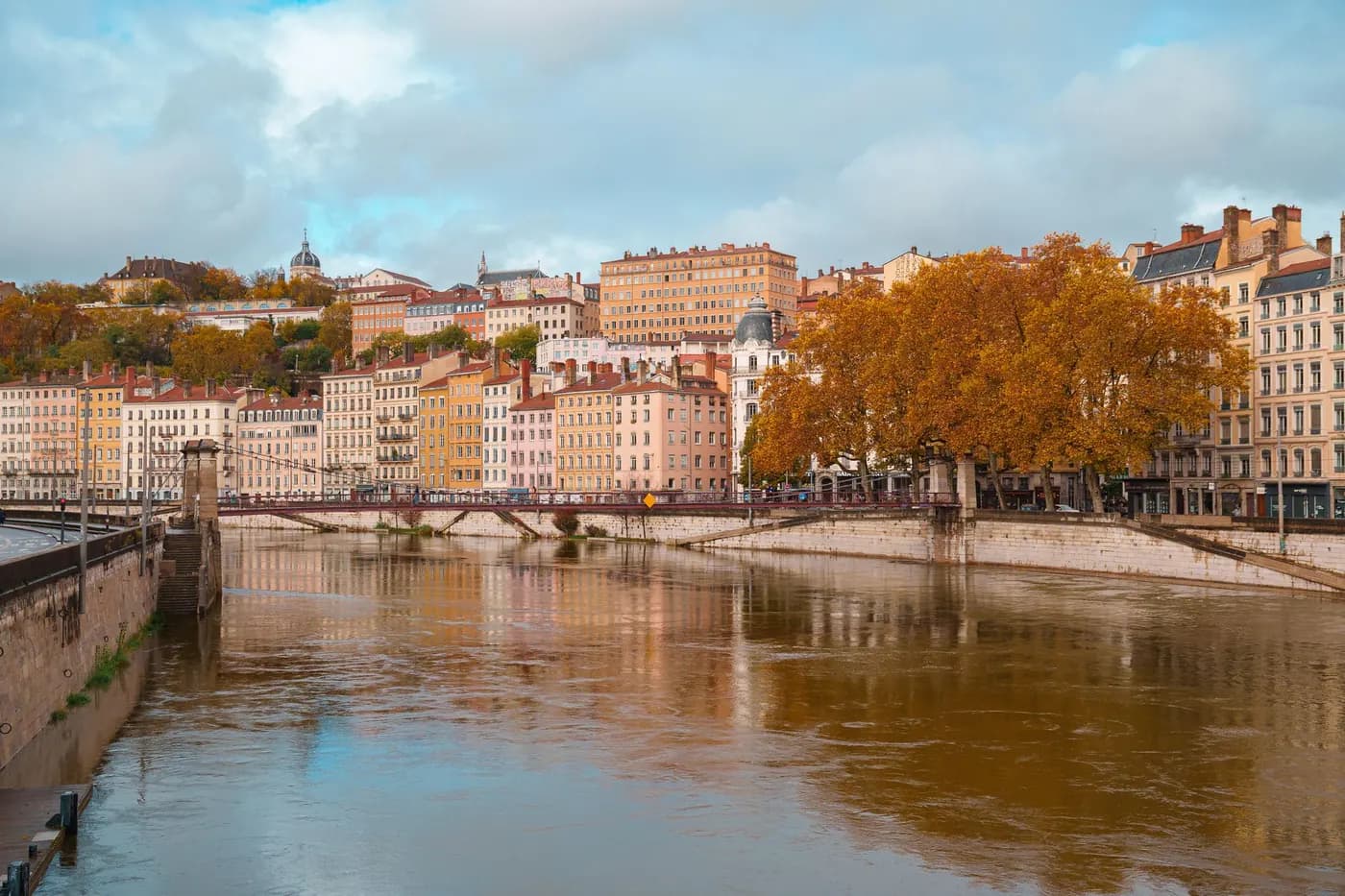
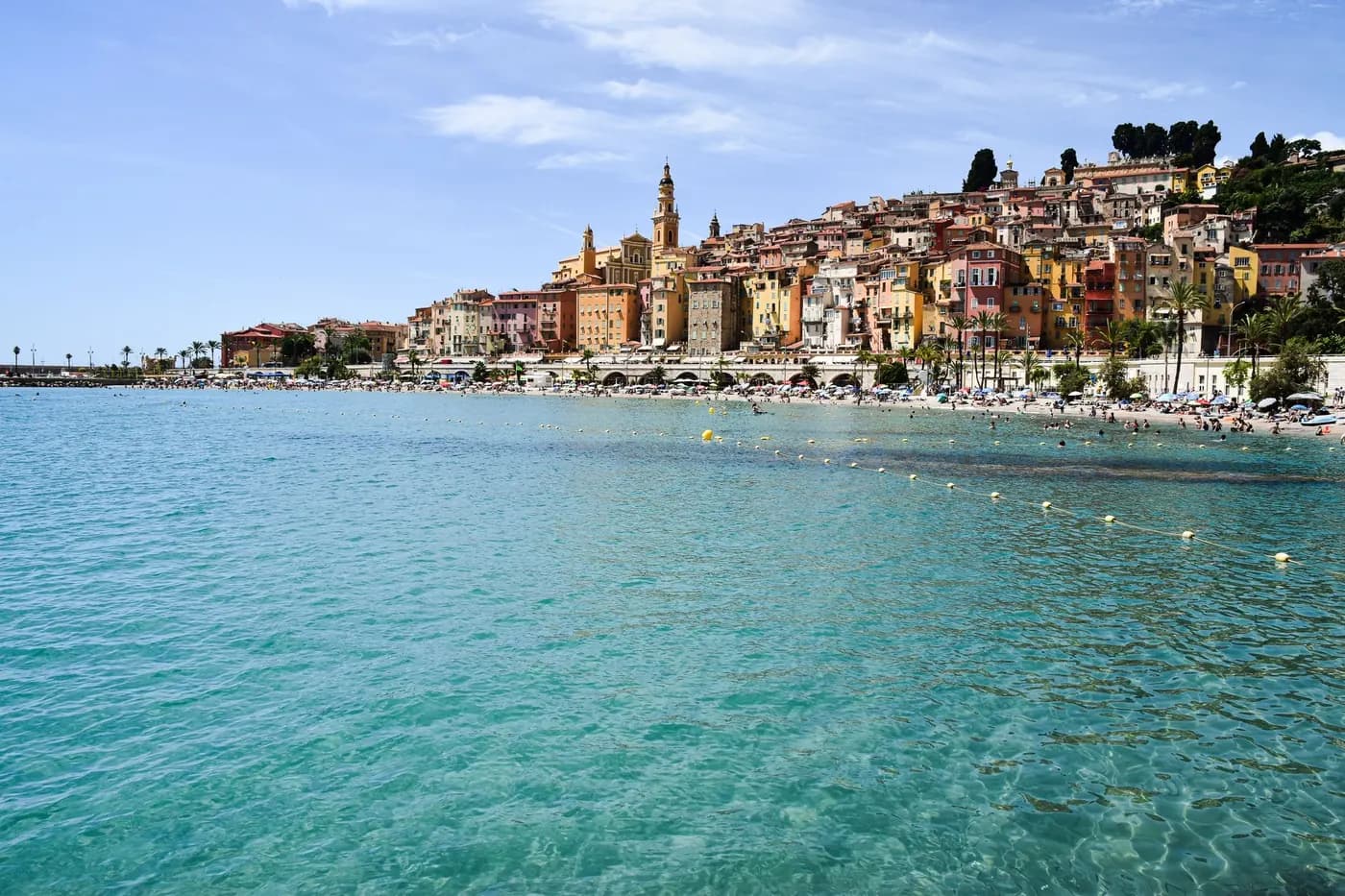
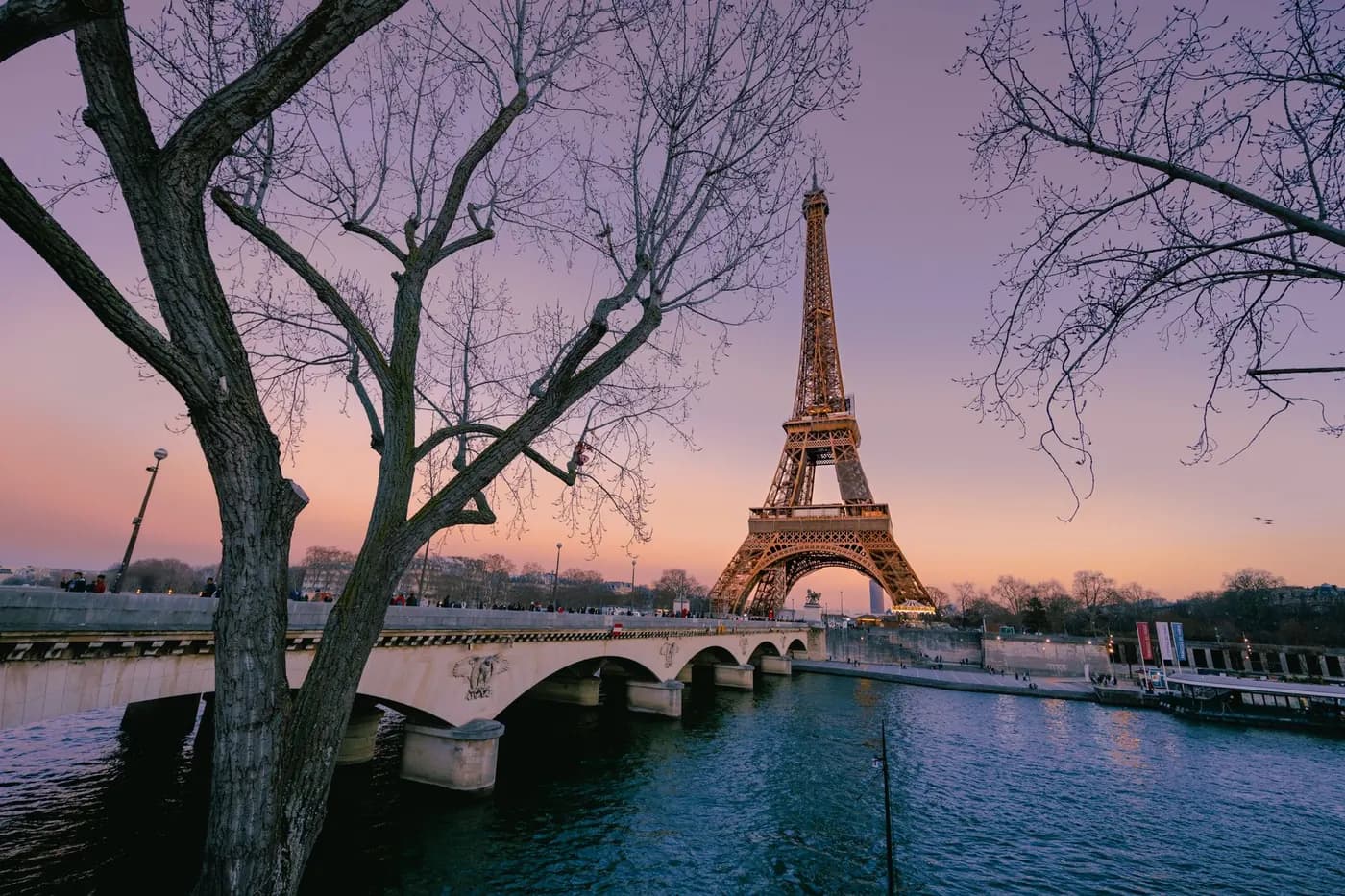
The choice of region follows the profile of the audience. Paris and the Île-de-France region offer the widest range of centres, such as the Palais des Congrès de Paris, and the strongest international air links. Lyon, Bordeaux, Lille and Strasbourg combine well-equipped congress facilities with compact city centres and rail access. The French Riviera, with Cannes and Nice, is a natural choice for groups who value a seaside setting and a large hotel capacity within a short distance.
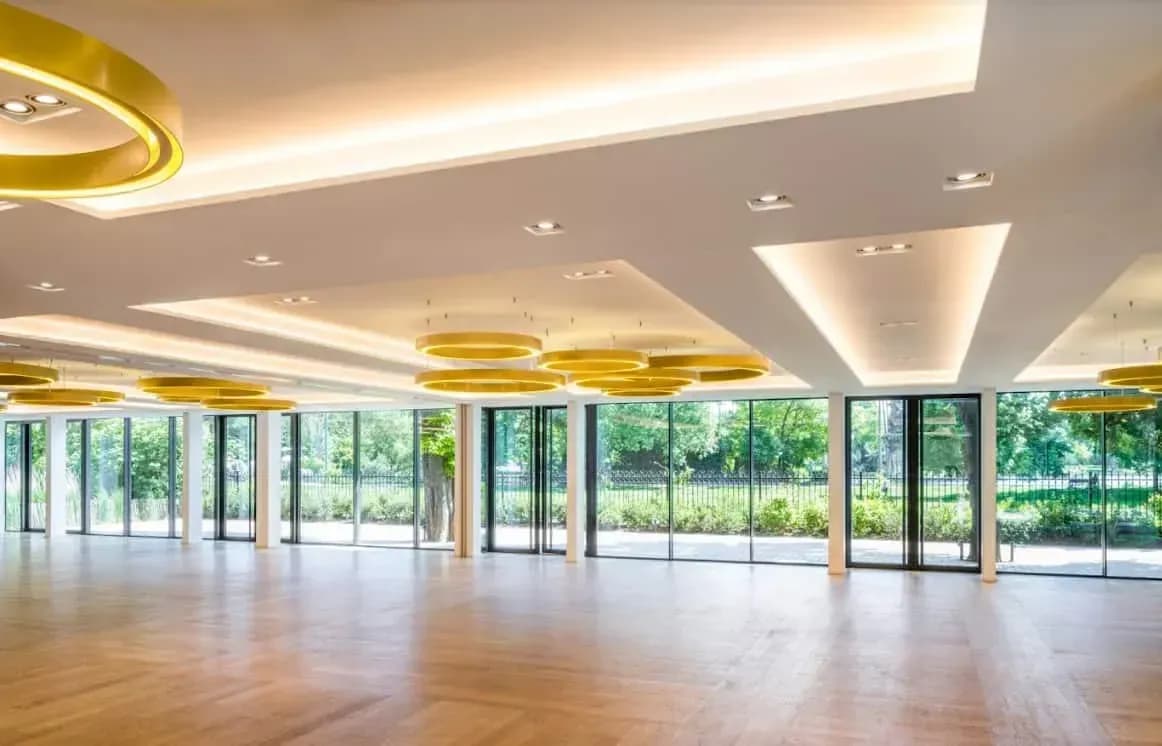
For each shortlist we check the points that matter in practice: plenary capacity in theatre and banquet layouts, load-in and technical access, distance between the centre and the hotels, and the other events scheduled in the city on your dates, since a major trade fair can absorb most of the available rooms.
We present two or three options with their respective advantages, and we arrange a site inspection where the decision justifies it. Capacities and conditions are confirmed in writing by the venue before any commitment is made.
Plenary, breakouts and the evening programme
A good convention programme alternates attention and movement. The plenary holds the collective message; breakout sessions, workshops and small-group visits give room to exchange; the evening allows teams to meet in a different register.
We work with your content team on the running order and with the venue's technicians on sound, screens, interpretation booths and recording. Speaker briefings, rehearsal slots and a back-up for each critical piece of equipment are planned in advance.
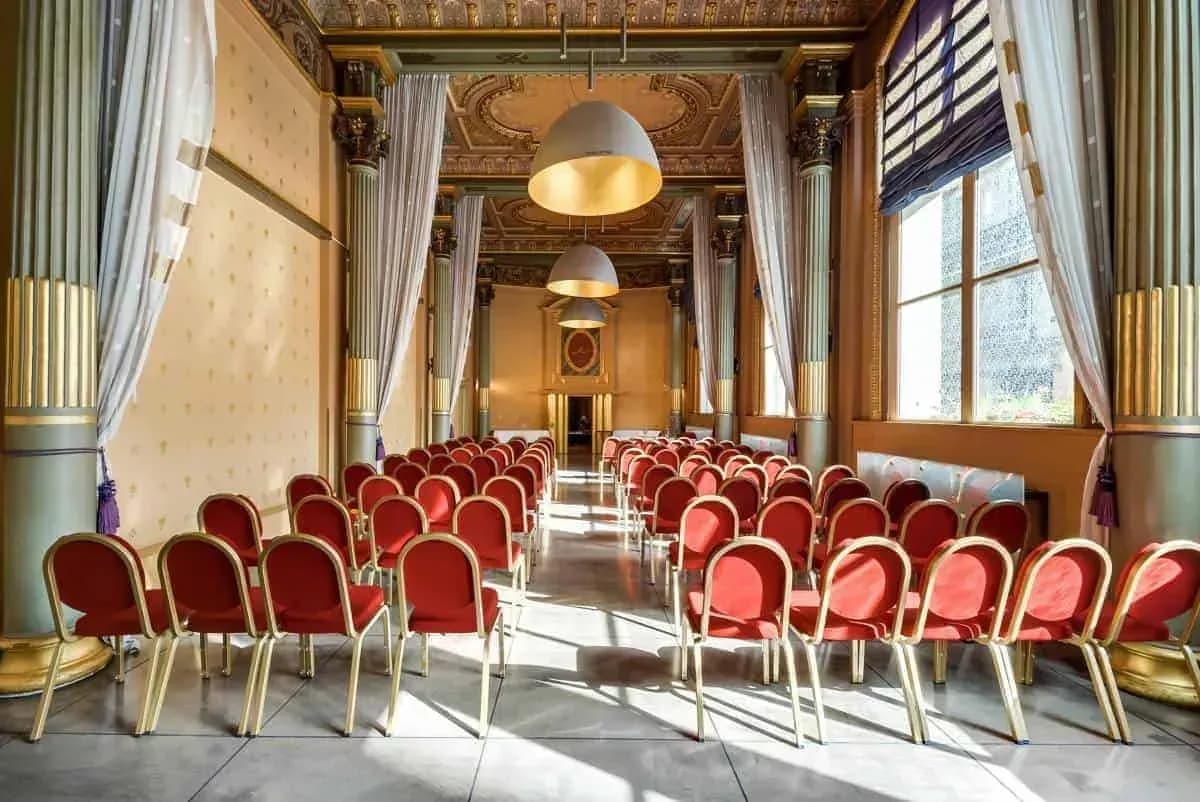
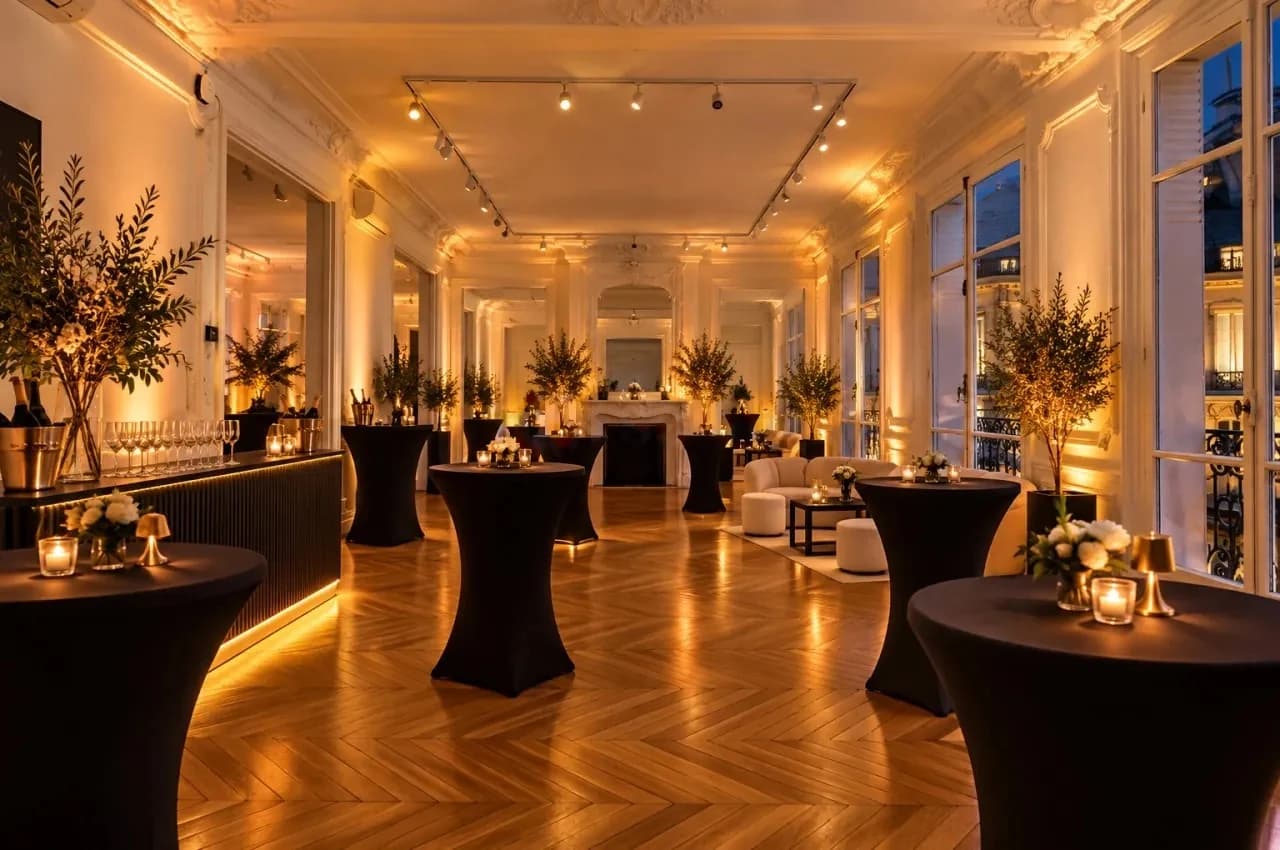
For the gala, France offers settings that few countries can match: châteaux, museums, historic halls and private estates, some of them available for privatisation subject to calendar and conditions. We handle the permissions, the catering plan, the security and the music licensing that such places require.
Our programme library includes convention formats of different scales, in Paris, Lyon and on the Riviera, which serve as starting points rather than fixed products. Each is adapted to the objective and the culture of the company.
Moving and housing several hundred people
Logistics is where a convention is won or lost. Delegates arrive by different flights and trains, over several hours, and expect to be received without queuing. We organise meeting points at airports and stations, signed coach rotations, luggage handling and a clear information desk at the hotel.
Accommodation is rarely concentrated in a single hotel. We build a room block across a main hotel and complementary properties, negotiate the release dates and attrition terms, and manage the rooming list as names arrive, so that no one discovers a change at the reception desk.
Dietary requirements, accessibility needs and security briefings are recorded in the participant database and passed to each supplier. During the event, a coordinator and a team of hosts remain on site, with a direct line to the venue manager, the coach company and the head of each hotel.
The result is simple to describe and demanding to deliver: participants who notice the quality of the content, and not the machinery behind it.
Rules, calendar and contingencies in France
A foreign organiser is often surprised by constraints that French professionals take for granted. Public holidays and school holidays alter hotel availability and coach rates. Strikes can affect trains or air traffic with little notice. Historic monuments impose access rules, and private sites require advance reservation. VAT applies in specific ways to services supplied to foreign companies, and playing music at a gala involves licence fees.
We explain these points in the proposal, in plain language, rather than leaving them to appear as extras later. Where a risk is real, we prepare a fallback: an alternative transfer plan, a second room for a plenary, an indoor option for an outdoor reception.
We also recommend booking early. Convention centres and large hotels fill their calendars well ahead of time, particularly in spring and autumn, and the most sought-after private venues are reserved many months before the date. A first conversation, even before the objectives are fully fixed, helps to protect the dates that matter.