Why the number of gatherings is a budget decision
A fully remote company has to decide how often its people meet in person, and that decision shapes the annual budget more than almost any other. Two, three or four gatherings, each with a different purpose, lead to very different totals. The cost per person of one event is only part of the picture, because the fixed costs of a programme (venue hire, facilitation, coordination, a minimum number of rooms) recur every time the team meets.
Public examples show that distributed companies settle on different rhythms. GitLab describes its company-wide in-person event, Contribute, as held roughly every nine to twelve months, alongside team onsites and optional in-person time. Automattic's careers page states that its teams gather once a year to collaborate in person. Neither is a template for a smaller company, but both show that in-person time is usually planned as a deliberate, limited budget line rather than a constant expense.
For a first discussion, we suggest starting from the purpose of each gathering. A strategy session, a team retreat in France and an onboarding week for new arrivals have different lengths and formats, and each deserves its own line in the budget.
Indicative per-person ranges for a two-day gathering
The ranges below are planning figures, not quotes. They assume a two-night programme for a group of 20 to 40 people in France, with accommodation, meals, meeting space and one structured activity. They exclude international flights, insurance and personal expenses. All amounts are in euros per person and must be confirmed in writing by each supplier, with VAT shown separately.
- Simple format, business hotel with a conference room and shared meals: about 450 to 750 € per person for the gathering.
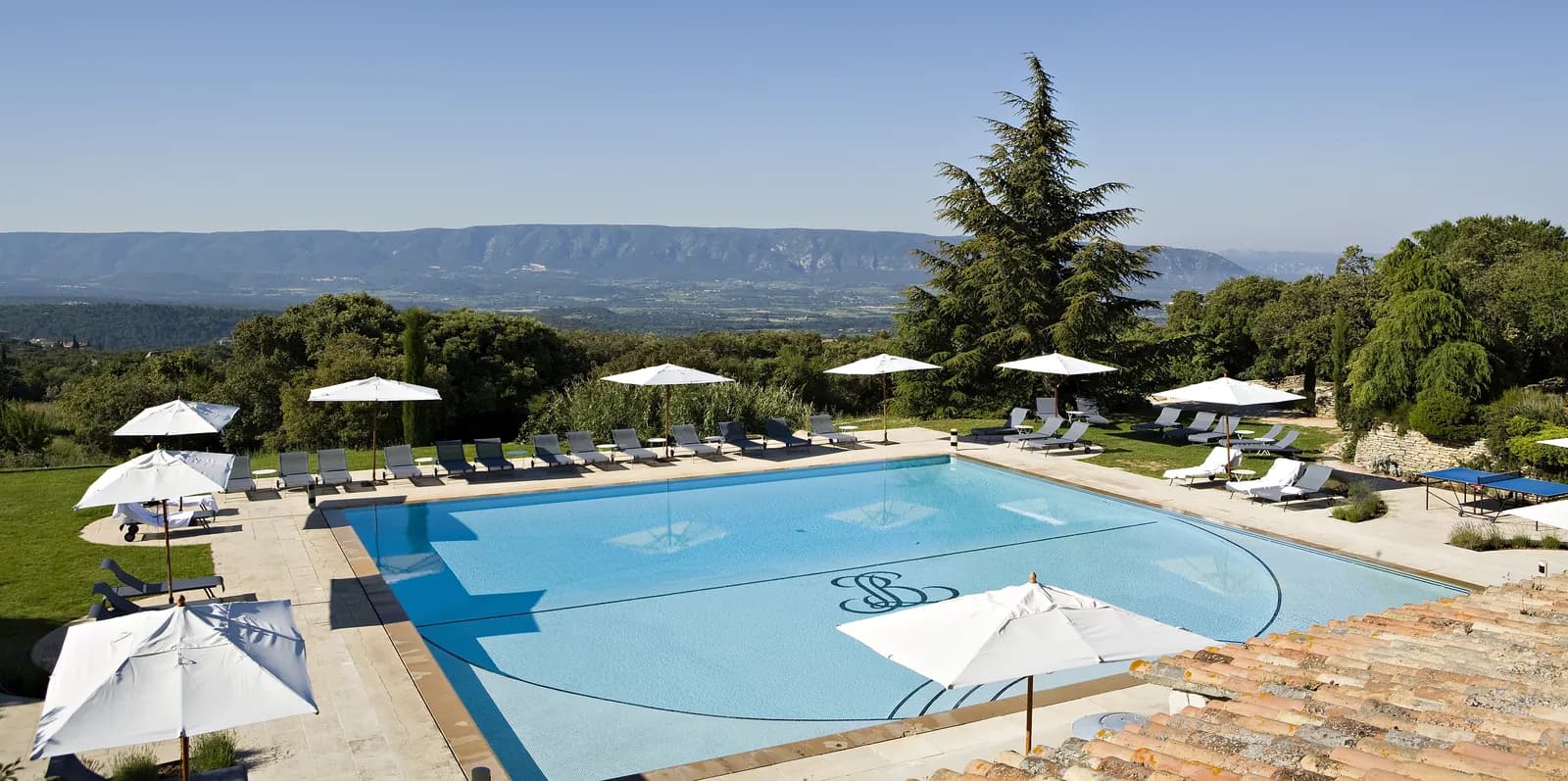
- Mid-range format, conference hotel or private estate with a group dinner and a guided activity: about 800 to 1,300 € per person.
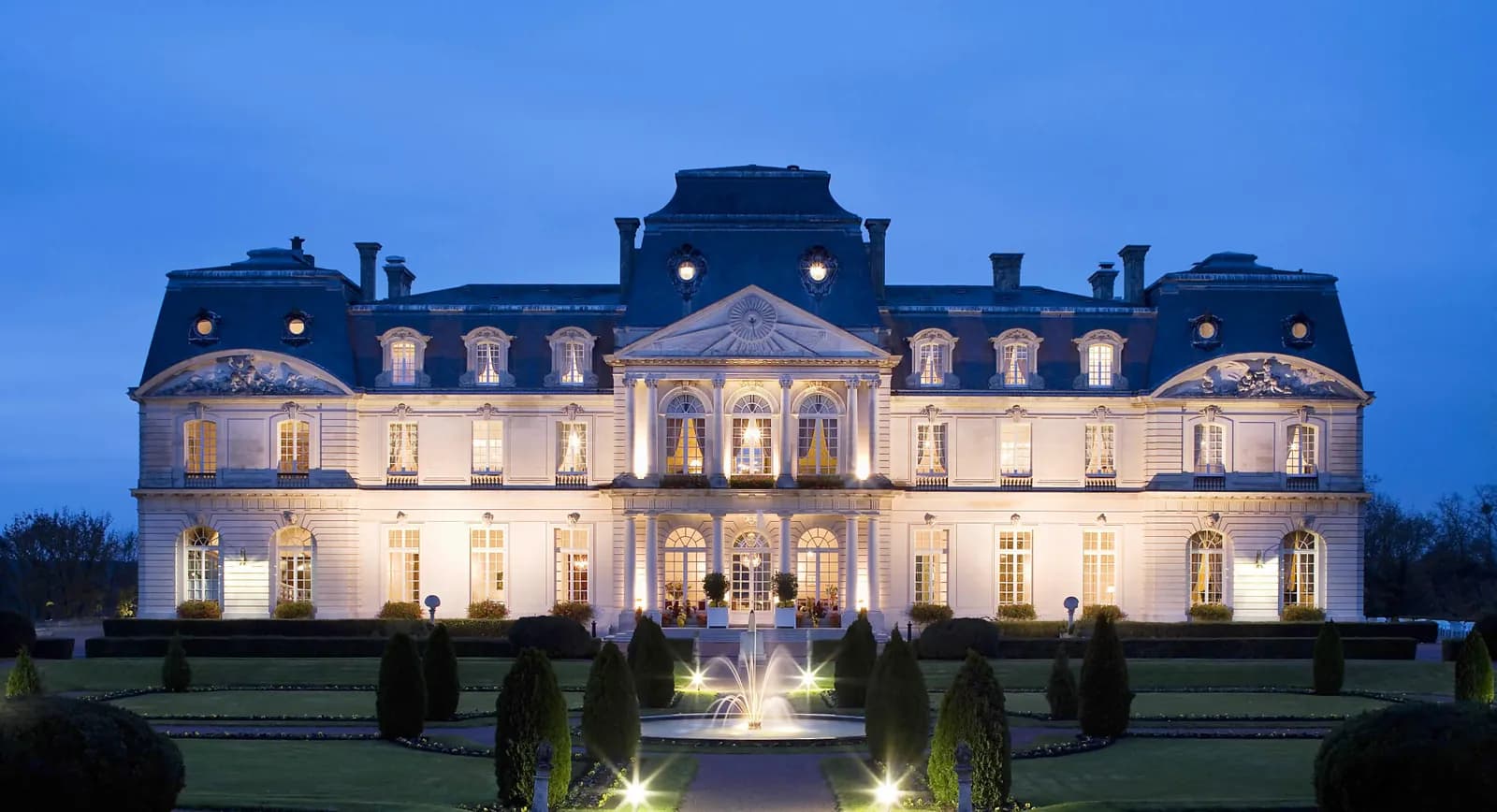
- Premium format, château or resort with a private dinner and an excursion: about 1,400 to 2,200 € per person.
For a year with two gatherings of this kind, these figures represent about 900 to 1,500 € per person in the simple format, or 2,800 to 4,400 € in the premium format. Three or four gatherings multiply these amounts, so the budget should be built event by event and then added up, not estimated as a single annual figure.
What drives the cost
Group size is the first driver. Venues and hotels set minimum charges, and fixed costs are spread over fewer people in a small group, so a team of twelve often pays more per head than a team of forty for the same meeting room. Duration is the second. Each night adds accommodation, meals and staffing, and a one-night format does not simply cost half of a two-night one, because transport and set-up time do not shrink.
Location and season matter as much. Paris and the French Riviera carry higher rates than most regional cities, and demand peaks in June and September and during major trade-fair weeks. Regional destinations reached by TGV can lower transport costs for a group drawn from several French cities.
Exclusivity is a separate line. Privatising a château, a restaurant or a hotel floor costs more than booking rooms in a shared venue, and the figure depends on the day of the week. Food and beverage is usually the largest variable: an open bar, a wine service and a seated dinner for thirty each change the per-person figure considerably.
Finally, public holidays and transport strikes change availability and travel times, so build a contingency for them.
Choosing between two, three and four gatherings
Two gatherings a year suit a team that works well asynchronously and needs in-person time mainly for strategy and an annual reunion. One strategic session, one reunion and an onboarding week for new hires is a structure many companies adopt. It keeps the budget predictable and leaves room for a contingency.
Three gatherings can be a sensible step for a team that is growing quickly or has sub-teams that rarely meet. The third can be shorter and regional, for example a day in a city where a cluster of colleagues lives, which reduces travel and accommodation for part of the group.
Four gatherings, usually one per quarter, are most often justified when the company works in fast project cycles or when many people are new. The risk at this frequency is that each gathering becomes routine and loses its purpose, so each should have a written objective and a clear outcome that the next one can build on.
Whatever the number, video calls remain the default for routine matters, and in-person time should go to the work that genuinely needs a room.
Booking windows and contingency
Lead times depend on group size and season. For a group of more than about 40 people in a popular city, we generally recommend starting six to twelve months ahead, particularly for a château or a privatised venue. A smaller group in a regional hotel can often be arranged three to four months ahead, although the best rooms and dates go first.
Build a contingency of around ten percent into every event budget. Costs that move after confirmation usually include room upgrades, extra days, catering minimums, last-minute transfers and additional vehicles when a train is delayed or cancelled. A written list of inclusions and exclusions protects both sides.
Accommodation and most food services in France carry a reduced VAT rate, while many other services are charged at the standard rate. Ask each supplier to show VAT separately, so that the per-person figures you compare across quotes are genuinely like-for-like.
Building a first budget
Start by writing the purpose of each gathering in one sentence, then list participants by home city and time zone. Distributed teams often span several zones, so the in-person schedule should be set in Paris time with a buffer for people travelling from far away.
Next, choose the format and duration that serve that purpose, and request two or three quotes at different comfort levels. Ask every supplier for the same list of inclusions, the cancellation terms and the minimum numbers. Compare totals per person, not the headline rate.
Finally, set a per-person ceiling before the search begins and agree it with finance. Record what is excluded, such as international flights, insurance and personal expenses. A one-page brief is usually enough to start a useful conversation with a destination management company.
常見問題
What should a remote company budget per person for a two-day gathering in France?
As a planning guide, a simple format costs about 450 to 750 euros per person, a mid-range format about 800 to 1,300 euros and a premium format about 1,400 to 2,200 euros, excluding international flights. Each supplier should confirm these ranges in writing.
Are international flights included in these figures?
No. For a team spread across several countries, long-haul flights are often the largest single cost. They are booked and budgeted separately, with an allowance for changes and for participants who travel from different time zones.
Does holding more gatherings always cost more?
In most cases, yes, because each event carries fixed costs as well as per-person costs. A shorter regional gathering can keep the total manageable, but the budget should be built event by event.
How far ahead should a team gathering in France be booked?
For a group of more than about 40 people in a popular city, six to twelve months is a sensible window, particularly for a château or a privatised venue. Smaller groups can often be arranged three to four months in advance.
The French DMC · 更新日期