Start with what can be measured
Responsible seminars in France begin with a question of method rather than a list of gestures. An organiser who wants to reduce the footprint of an event needs to know where it comes from, and for most programmes the answer is the same: transport. The journey of participants to the destination and the movements during the stay usually weigh more than the hotel, the meals or the materials combined.
This changes the order of priorities. Before discussing reusable badges or the choice of water bottles, the useful questions are where participants live, whether some can travel together, and whether the destination can be reached without a short flight. These questions are free, and they have more effect than any accessory. A simple estimate of emissions by transport mode, prepared before the programme is fixed, is a better tool than a report assembled afterwards.
Rail first, and a destination that suits it
France is well suited to rail-first planning. The high-speed network radiates from Paris, with Reims about 45 minutes away, Tours roughly an hour, Lyon and Bordeaux about two hours, Strasbourg close to two hours, and the Basque coast and the Alps around four to five hours. French law also restricts certain domestic flights where a rapid rail alternative exists, although its scope is narrow and should not be read as a general ban.
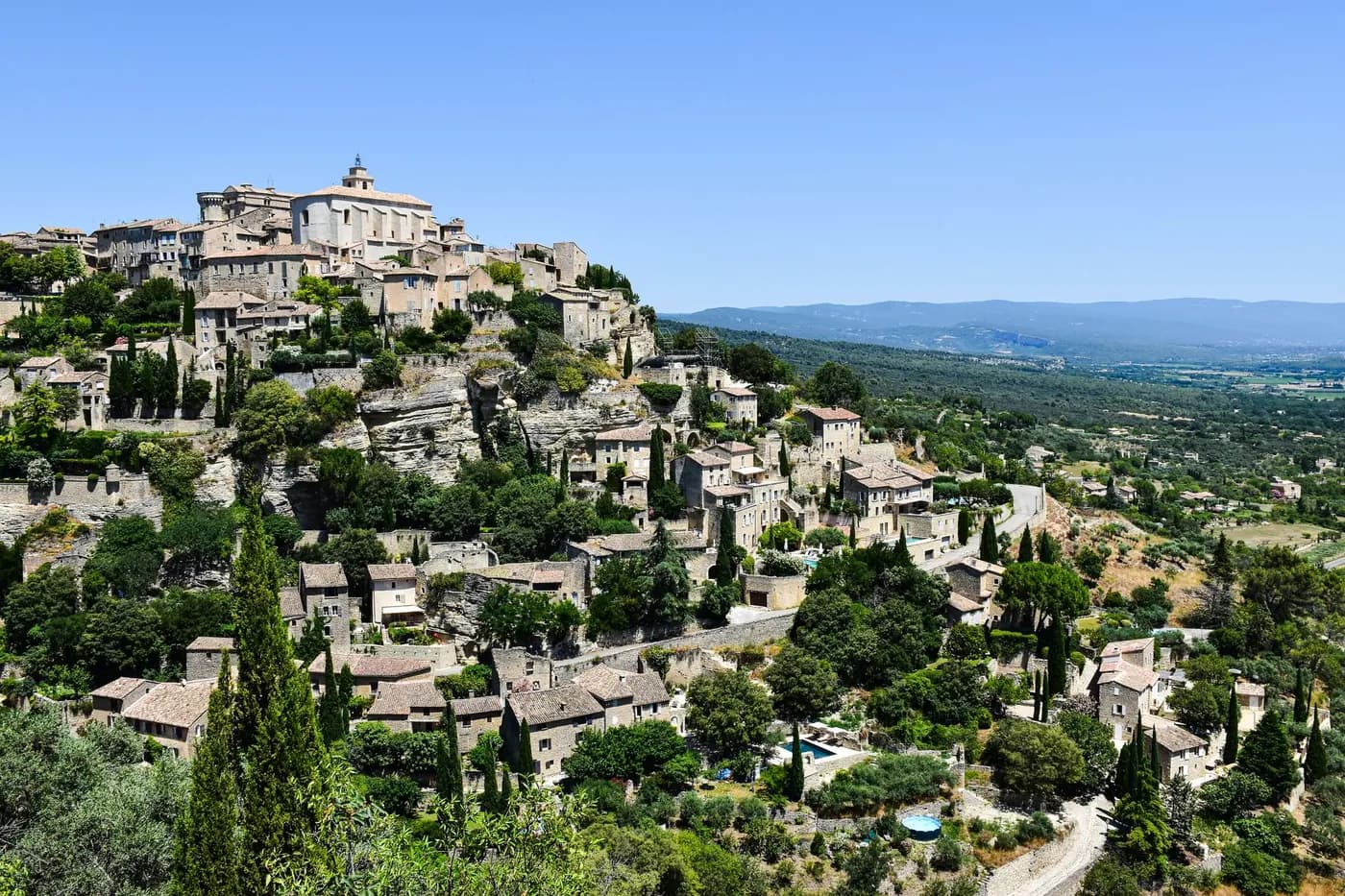
For a group arriving by air from abroad, the best compromise is often to land in Paris, Lyon or Geneva and continue by train or coach, rather than flying again. On site, a hotel within walking distance of the meeting venue, a programme organised in a single area and a shared coach instead of several cars reduce movements without reducing quality. A destination such as the Loire or Champagne, reached in under an hour from Paris, makes a carbon-conscious choice natural.
Venues, food and local partners
The choice of venue matters, but it should be examined with care. Ask each hotel what it actually does: energy sourcing, water management, waste sorting, supplier policy. Recognised environmental labels such as the European Ecolabel or Green Key can be helpful, provided you check that they are current and apply to the property in question. A candid answer such as "we are working on it" is more reassuring than a confident but vague claim.
Catering offers some of the most accessible gains.
- Seasonal menus built around regional products, which France is well placed to provide.
- A realistic estimate of attendance, to limit surplus food, and an arrangement to redistribute what remains where possible.
- A vegetarian option that is attractive in itself rather than a substitute.
- Water served in carafes instead of single-use bottles.
Local partners add a social dimension: a visit to a family-run estate, a workshop with a craftsperson or a guide from the area keeps part of the spending in the region and gives participants more authentic encounters.
Activities with a light footprint
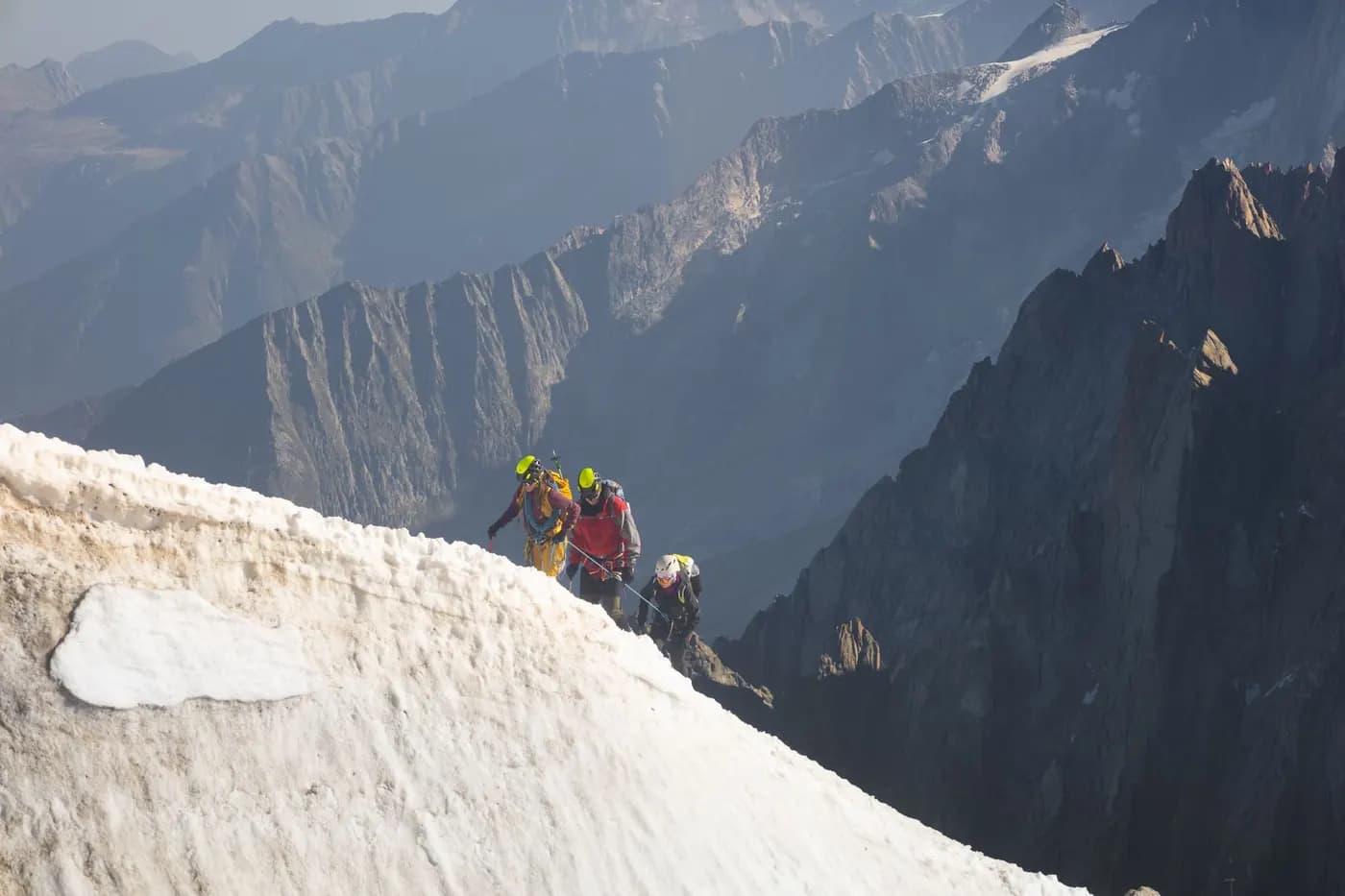
Many of the most memorable activities are also among the lightest. Guided hiking in the Mont-Blanc massif, a cycling tour in the Luberon, a shore-foraging session in Brittany and participation in the grape harvest in Champagne use landscape and skills rather than equipment and fuel. They also tend to create conversation, which makes them effective for team building.
Conversely, activities that rely on helicopters, motorised vehicles or a long convoy of cars have a heavy footprint, and a responsible programme should include them deliberately or not at all. This is not a reason to avoid them in every case, and some briefs legitimately call for them, but the choice should be made knowingly and explained to participants.
Communicating without overclaiming
The final discipline is honesty. A seminar described as "carbon neutral" invites scrutiny that it is unlikely to withstand, particularly if the claim rests mainly on offsetting. We suggest preferring statements that can be verified: the proportion of participants who travelled by rail, the share of menus based on local products, the measures taken by the venue.
Documenting these points during the project, rather than reconstructing them afterwards, makes the debrief useful and allows the next event to improve on the last. A responsible seminar is rarely perfect. It is one in which the organiser knows what was done, what remains to do, and can say so plainly.
常見問題
What is the most effective way to reduce the footprint of a seminar?
Work on transport first. Choose a destination reachable by train, group arrivals and limit transfers. For most programmes this has more effect than any other measure.
Are there recognised environmental labels for hotels in France?
Yes, for example the European Ecolabel and Green Key. Always check that the label is current and applies to the exact property you are considering.
Does a responsible seminar cost more?
Not necessarily. Seasonal menus, rail travel and fewer transfers are often cost-neutral or cheaper. Some measures, such as particular venues or labelled services, may carry a premium that we quantify in the quotation.
Should we offset the emissions of our event?
Offsetting can complement reduction but should not replace it, and it should not be the basis of a claim such as carbon neutrality. We recommend reducing first and describing precisely what was done.
The French DMC · 更新日期