What executive travel asks of a DMC
Senior participants have little time and high expectations, and they notice details quickly. A late vehicle, a room that is not ready or a dinner that overruns can weigh more than the programme itself. Executive travel is therefore a discipline of anticipation.
We start by understanding the purpose: a board meeting away from the office, a reward for a leadership team, the reception of an important partner or a strategic offsite. Each calls for a different rhythm, and we shape the days around the working sessions rather than the other way round.
Groups are small, so every element can be examined individually. We look at the hotel's discretion and meeting rooms, the route from the airport, the people who will welcome the guests and the language in which they will feel at ease. We also ask about the preferences and constraints of each guest: dietary needs, mobility, security considerations and the level of publicity acceptable.
A single project manager remains the point of contact throughout, with a team ready to adjust the day at short notice.
Board meetings and leadership offsites
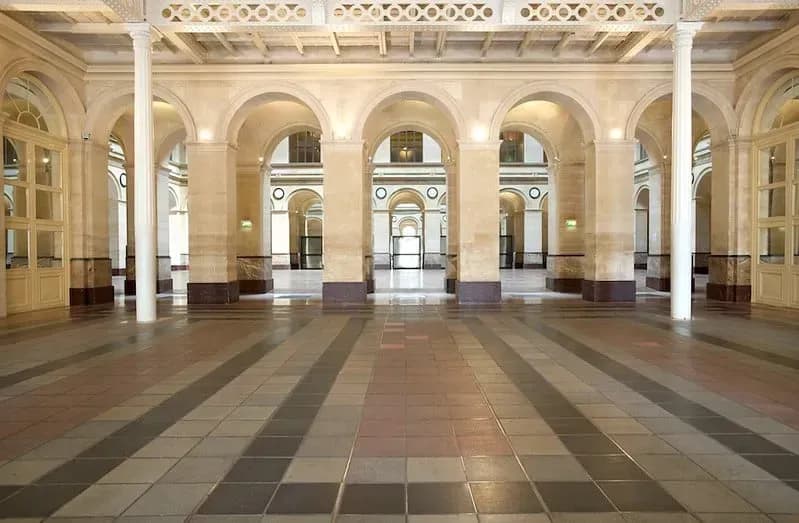
A board meeting or leadership offsite requires a setting that supports concentration. We favour hotels and private venues with real meeting rooms, natural light, quiet surroundings and a team trained in discreet service, rather than spaces converted at the last minute.
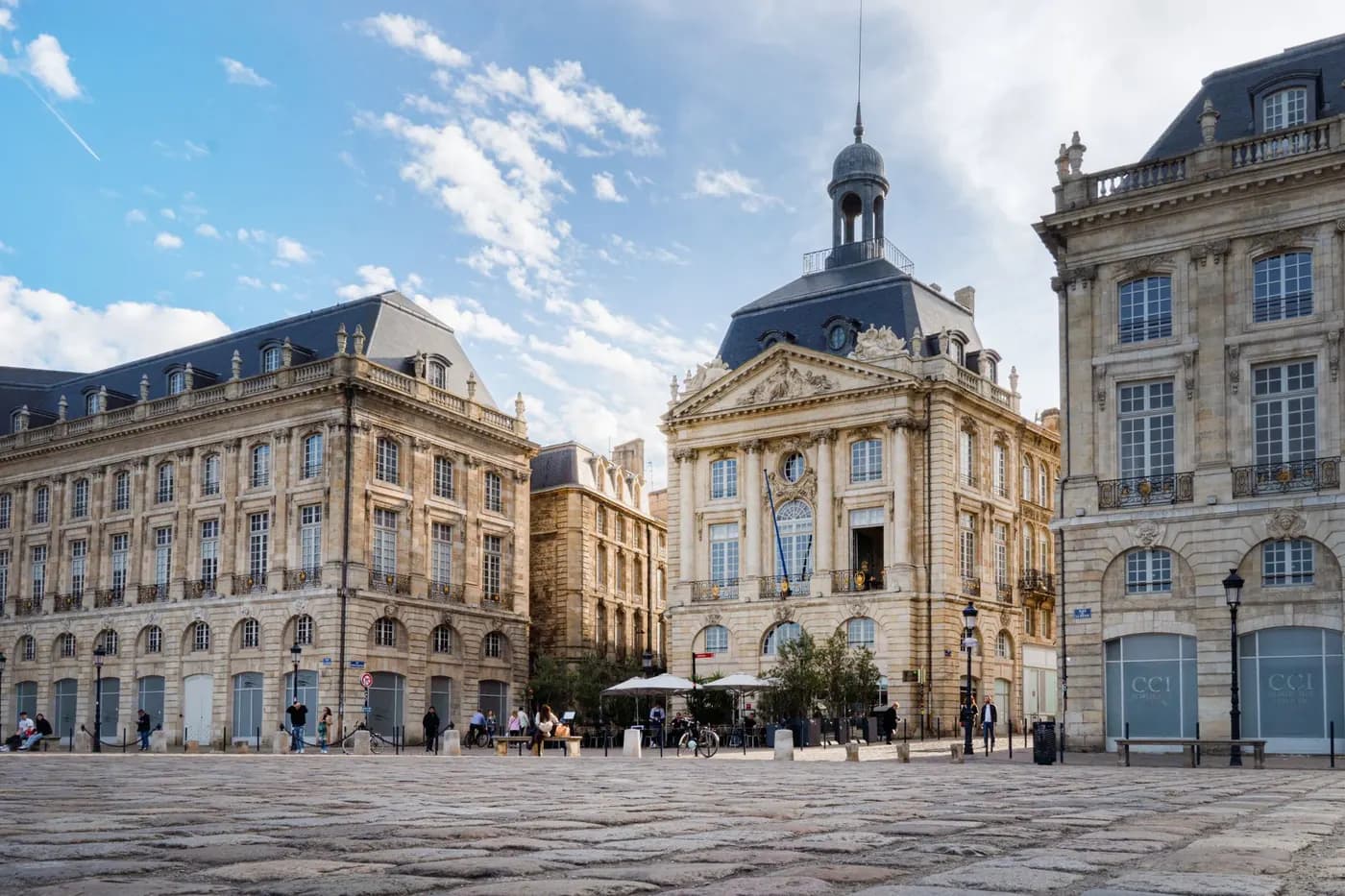
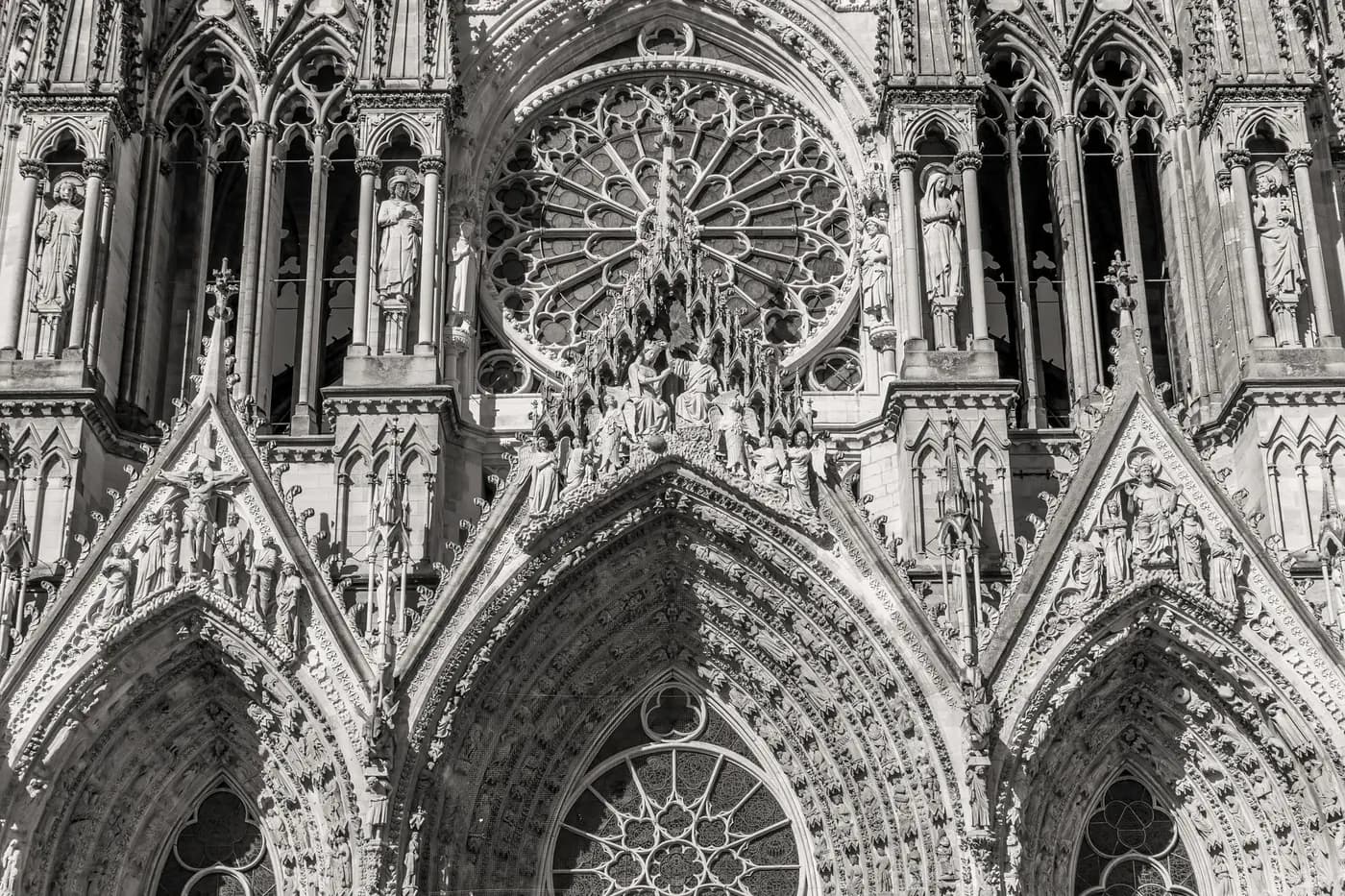
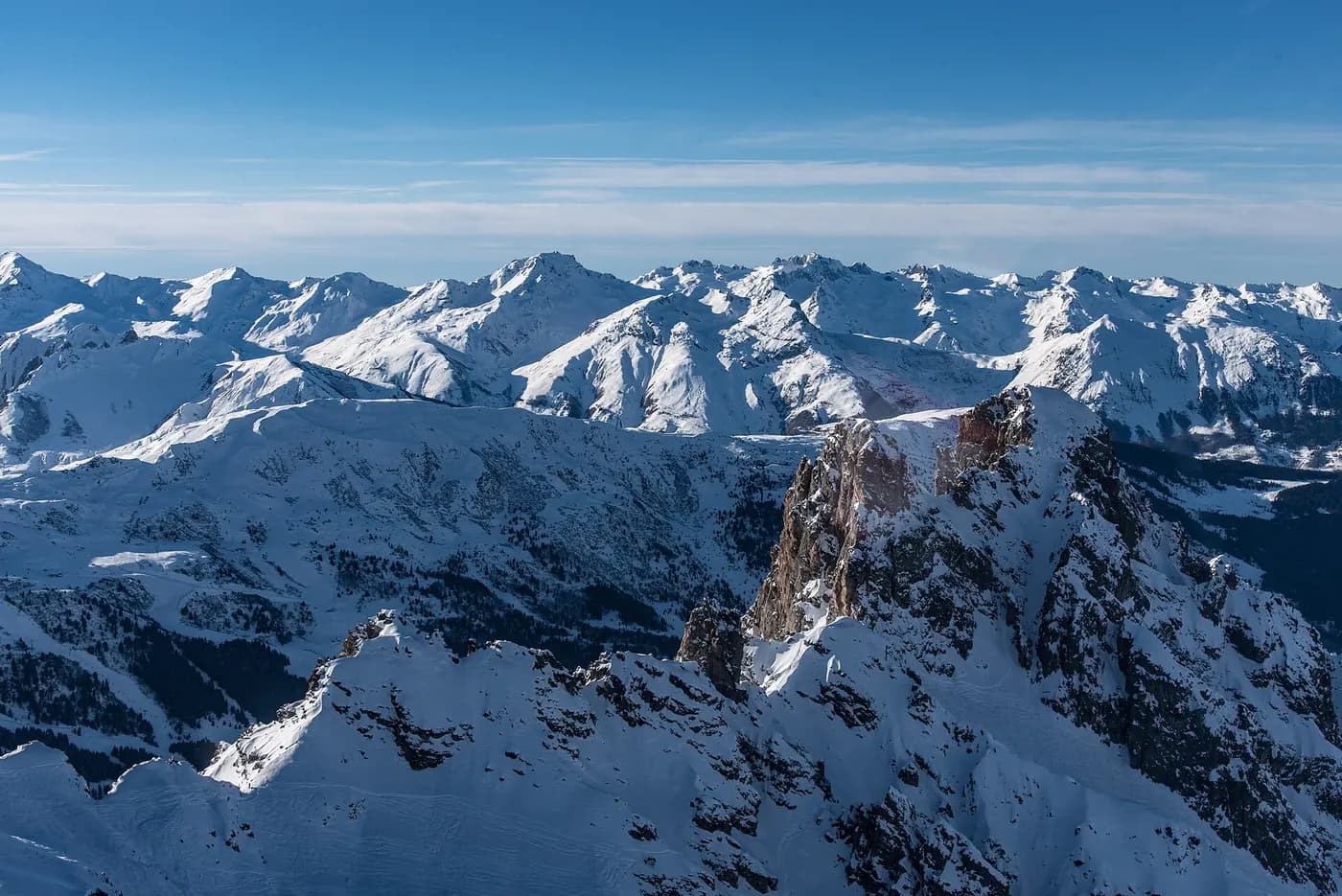
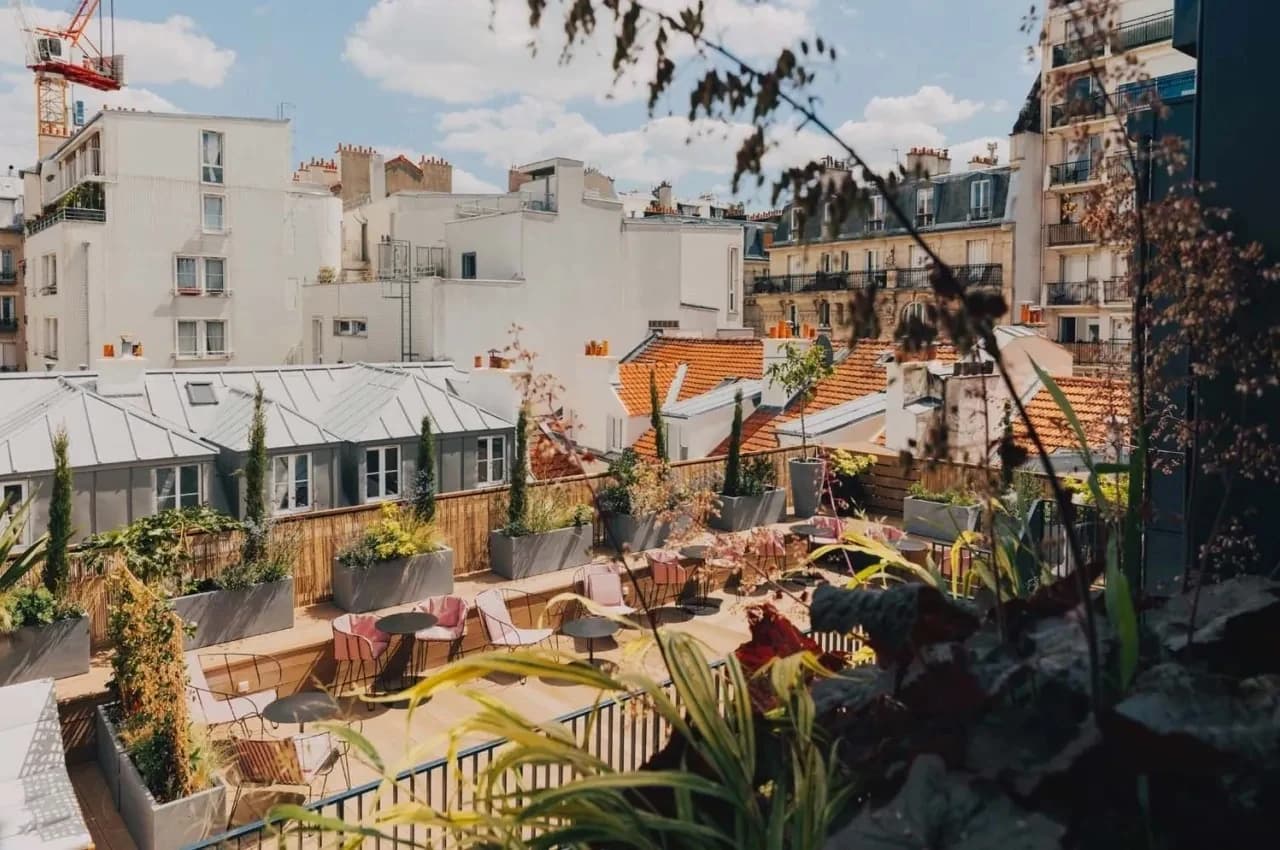
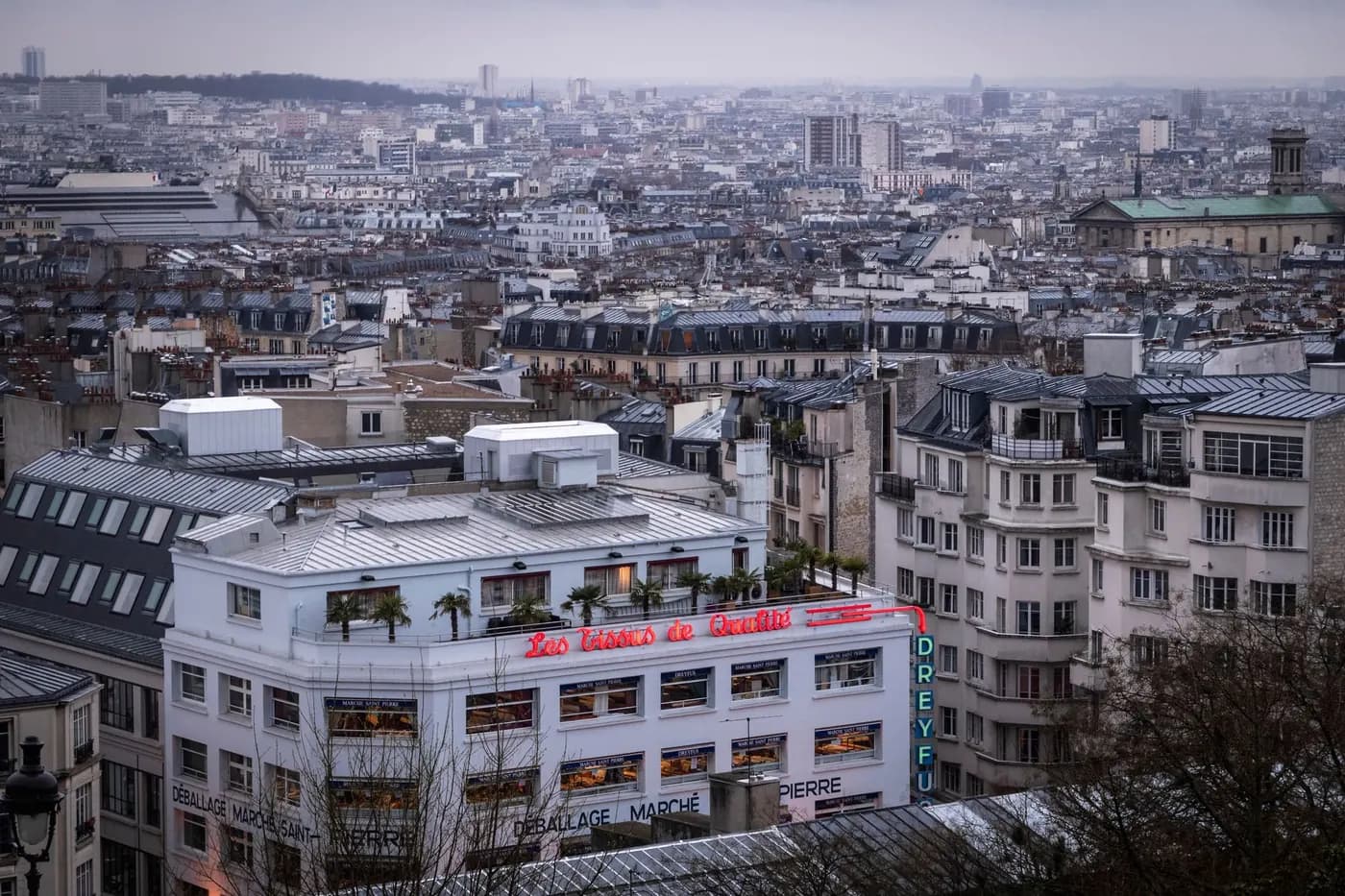
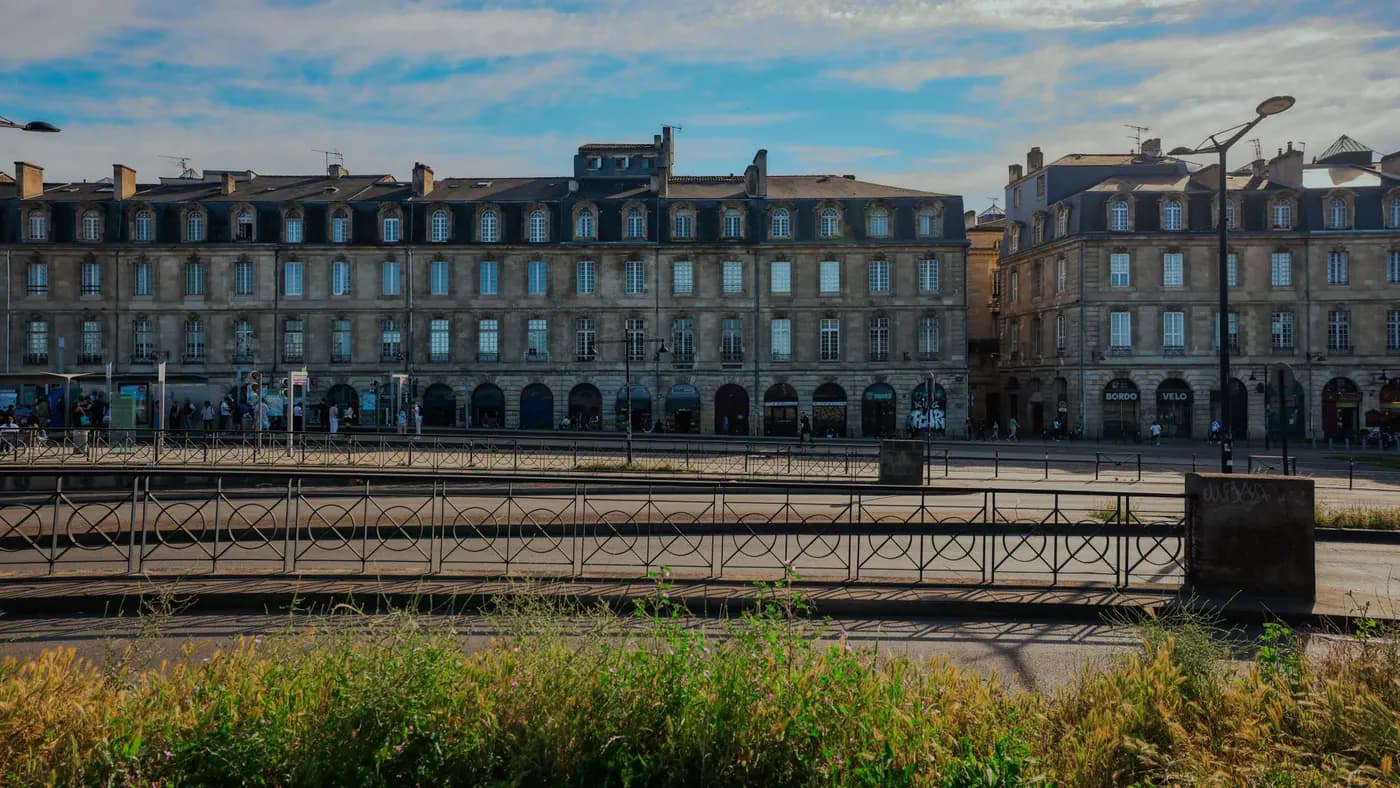
Paris remains the most direct option for international arrivals, with hotels used to hosting senior guests. For a retreat of two or three days, regions such as Champagne, the Loire Valley, Bordeaux or the Alps offer a change of scene within reach of a high-speed train or an airport.
The working sessions are protected: refreshments are served without interruption, technical equipment is tested beforehand, and the rest of the programme is arranged around them. Free time is left deliberately, since many senior participants value it as much as the visits.
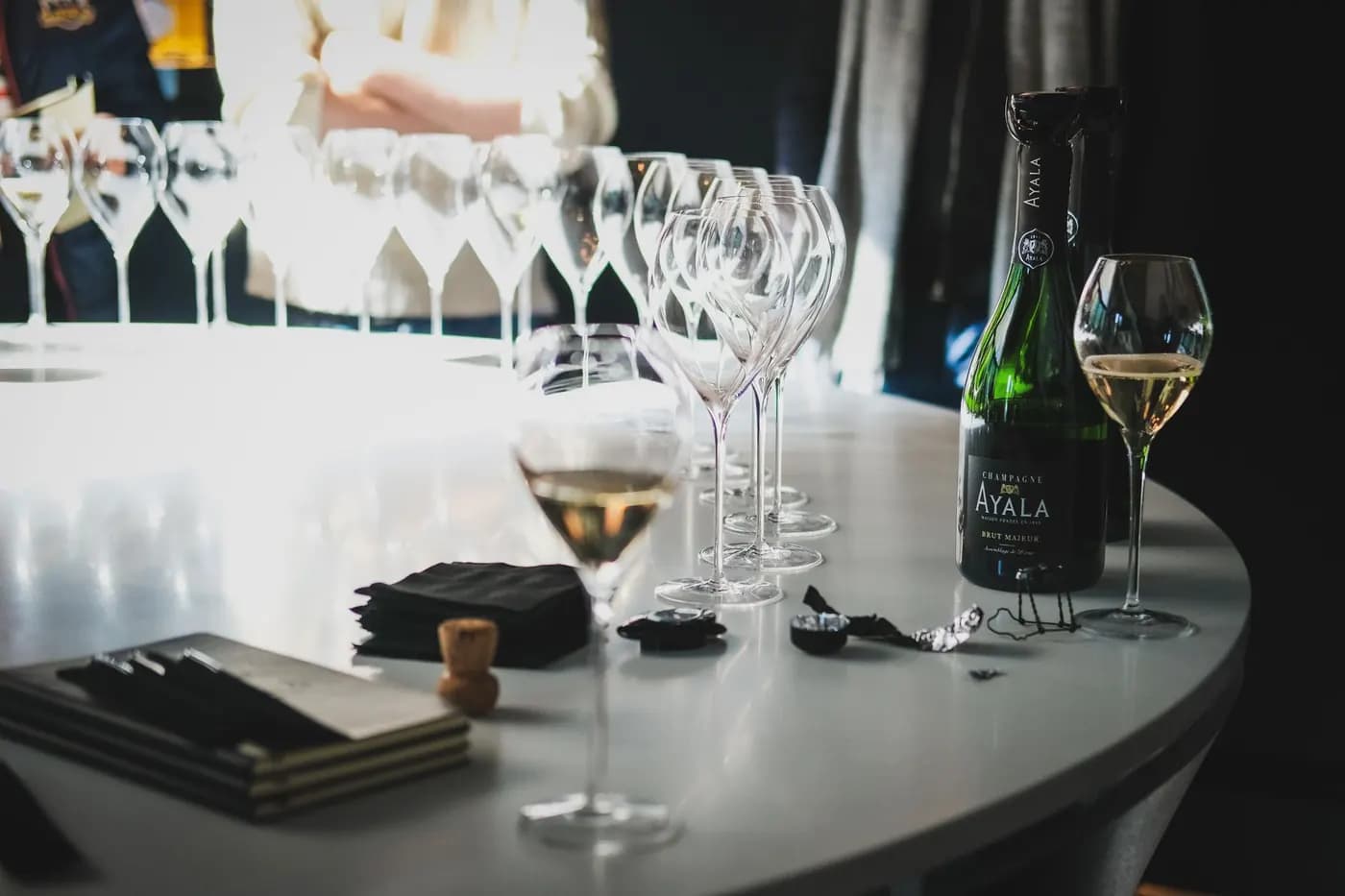
We can add a short cultural or gastronomic moment, a private visit, a tasting with a producer or a walk with a guide, when it supports the purpose of the gathering and the energy of the group.
Private access, tables and experiences
What distinguishes an executive programme is access. A museum visited before opening, a wine estate where the owner receives the group, a workshop where a craftsman explains his work, a table reserved in a restaurant chosen with care: these experiences rely on relationships built over years.
Our role is to arrange them with realism. Not every site can be privatised, and conditions depend on the season, the group size and the day of the week. We tell you what is confirmed, what is subject to availability and what we recommend as an alternative.
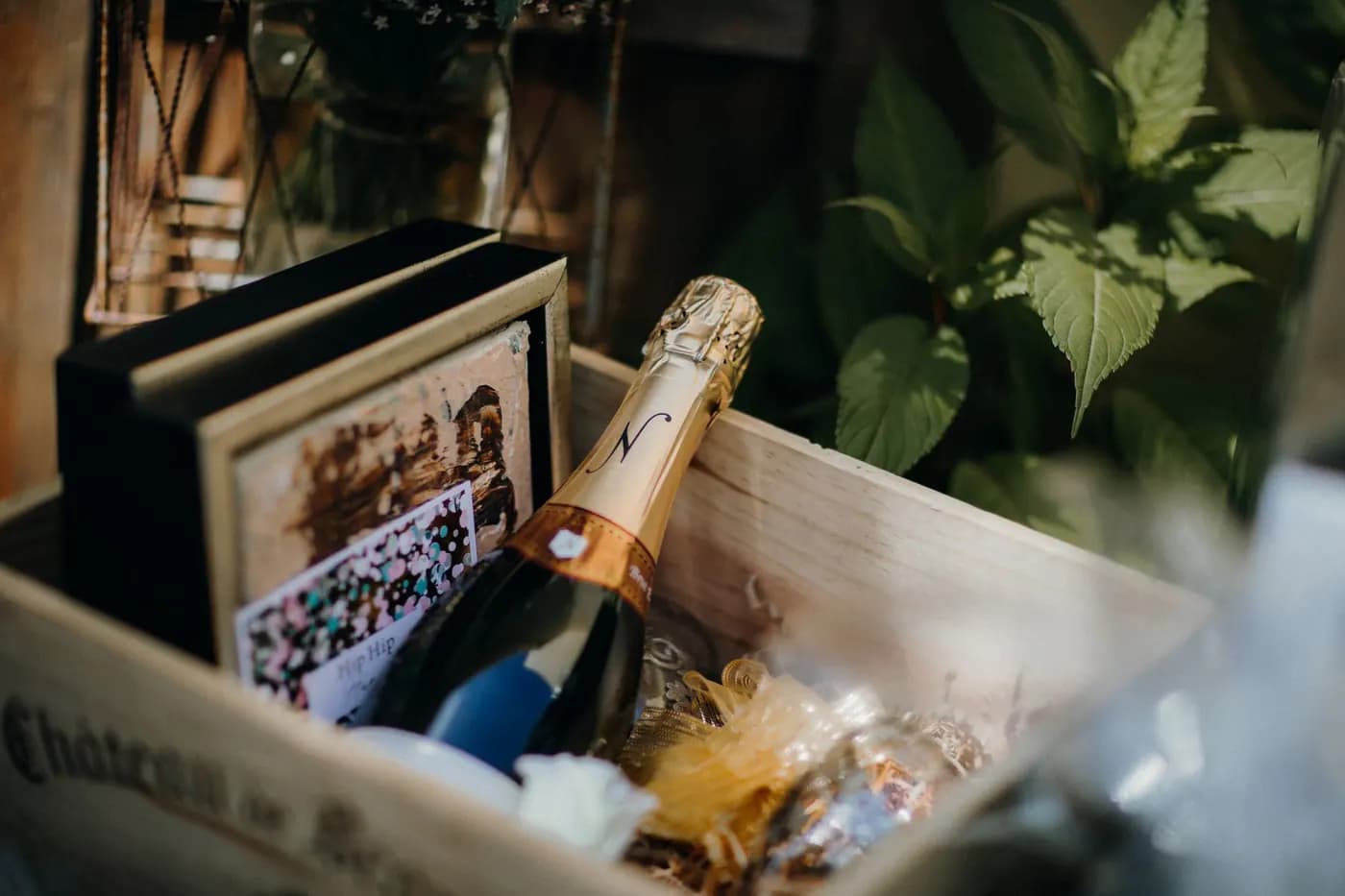
For dining, we select restaurants and private rooms according to the guests' tastes and constraints, including halal, kosher, vegetarian or allergy-aware menus. Wine is presented by people who know the producers, with the level of detail that the guests wish for.
Nothing is presented as spectacle for its own sake. The aim is for guests to leave with the impression of having seen France from the inside, at a pace that respects their time.
Transfers, hotels and discretion
For senior guests, movement is part of the experience. We arrange private vehicles with professional drivers, airport and station meet-and-greet, and a precise schedule shared with the guests' assistants. Journeys between regions can be organised by high-speed train in first class, by chauffeur-driven car or by a combination, depending on distances and preferences.
Hotels are selected for the quality of service as much as for category. We confirm room allocation in advance, early arrival or late departure when possible, and the arrangements for check-in away from a busy lobby where the hotel can offer it.
Discretion is handled with care. Names are shared only with the suppliers who need them, programmes are circulated on a need-to-know basis, and we adapt to the security procedures of your organisation or of the guests' own teams.
If the group travels with its own security staff or assistants, we integrate them into the plan so that vehicles, rooms and timings remain consistent.
An example: Champagne and Alsace
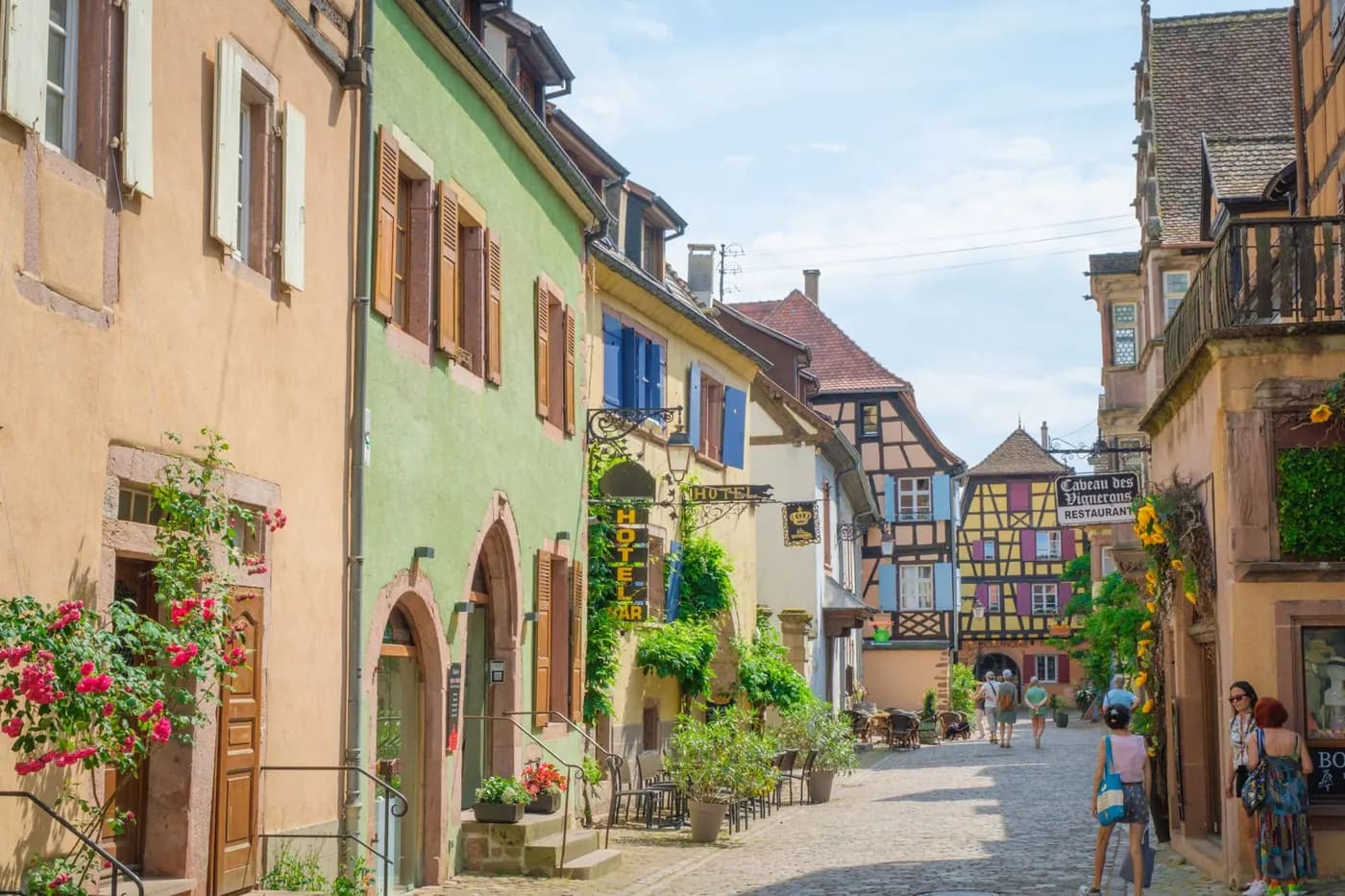
To illustrate the format, our programme library includes an executive journey linking Champagne and Alsace. It shows how a small group can combine working sessions, private cellar visits, quiet dinners and a change of region, with the logistics resolved in advance.
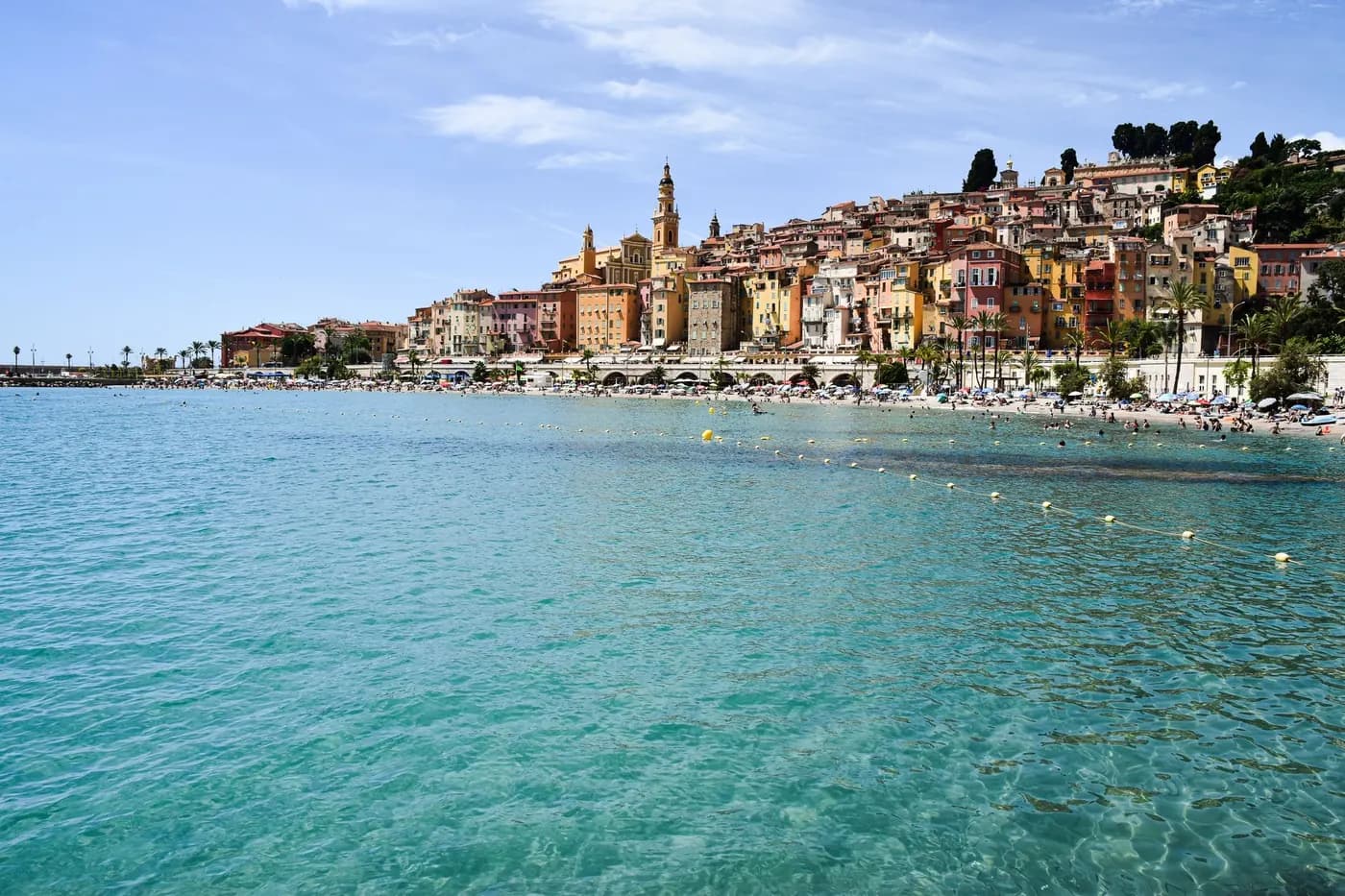
This is a starting point, not a catalogue product. A programme for your own leadership team would begin from your calendar, your guests' profiles and the message you wish to convey. The route could just as well lead to Bordeaux and its estates, to the Loire Valley and its châteaux, to the Riviera in the quieter months or to the Alps for a few days of altitude and clear air.
Budgets are given as indicative ranges and refined once the group size, the hotel level and the season are known. We prefer to state clearly what is included, so that the final invoice contains no surprises.
If you already have a date or a guest list in mind, a short conversation is enough to tell you what is feasible and how far ahead we should begin.