Dining as part of the programme
For a French host, a meal is not an interval between sessions. It is a moment in which a group meets, discusses and forms an impression of the country. Corporate programmes in France therefore give meals a real place, and our role is to select the right setting for each one.
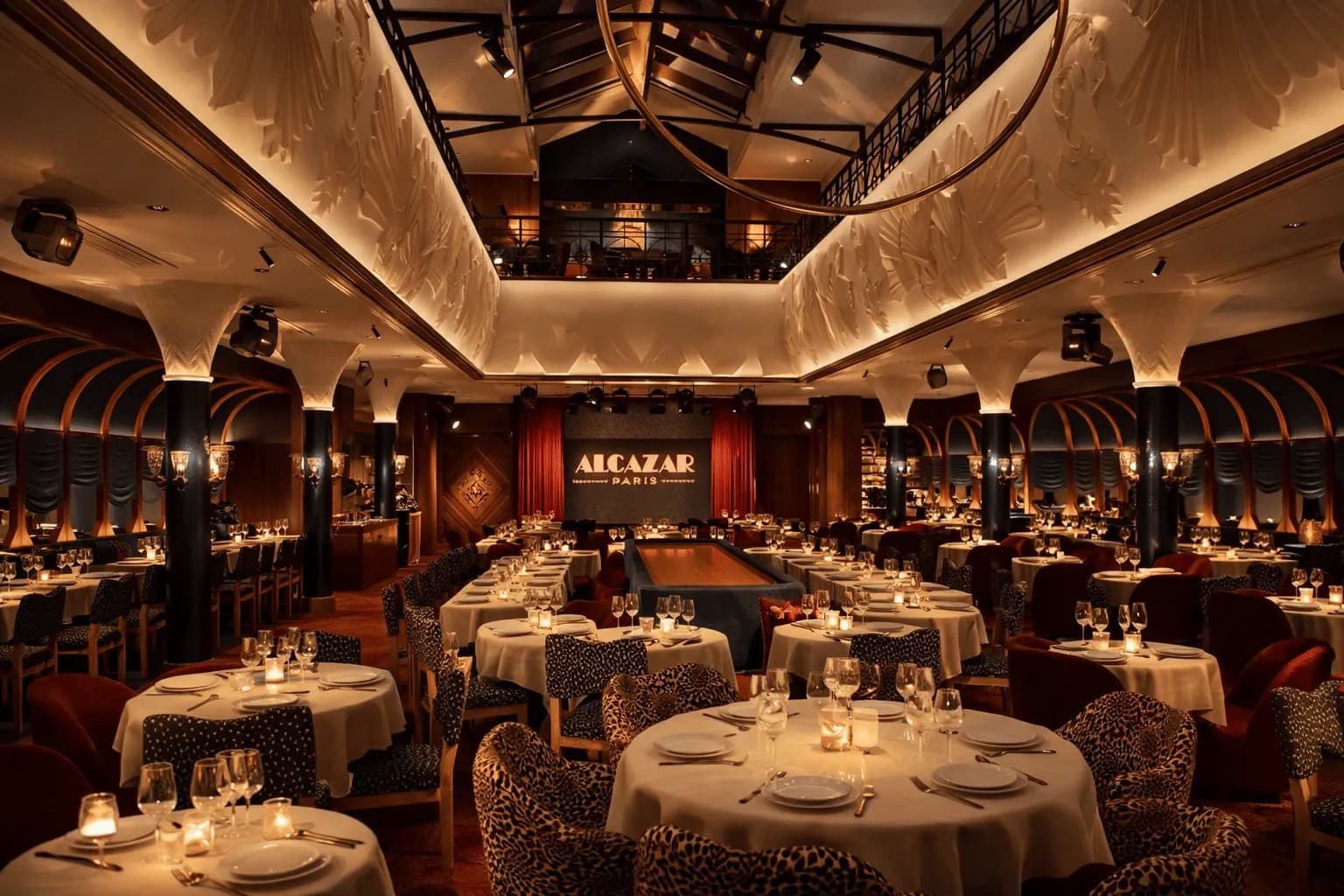
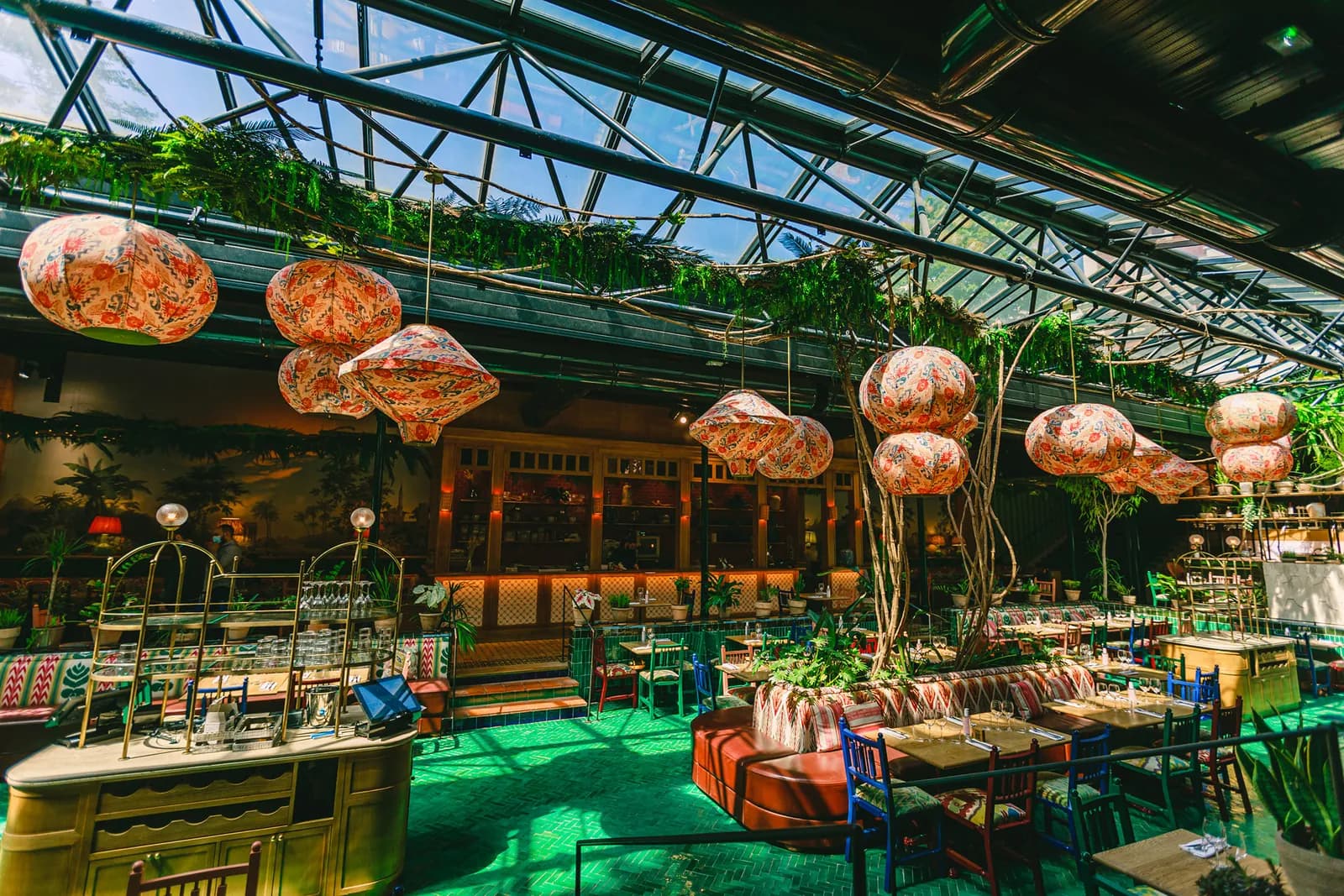
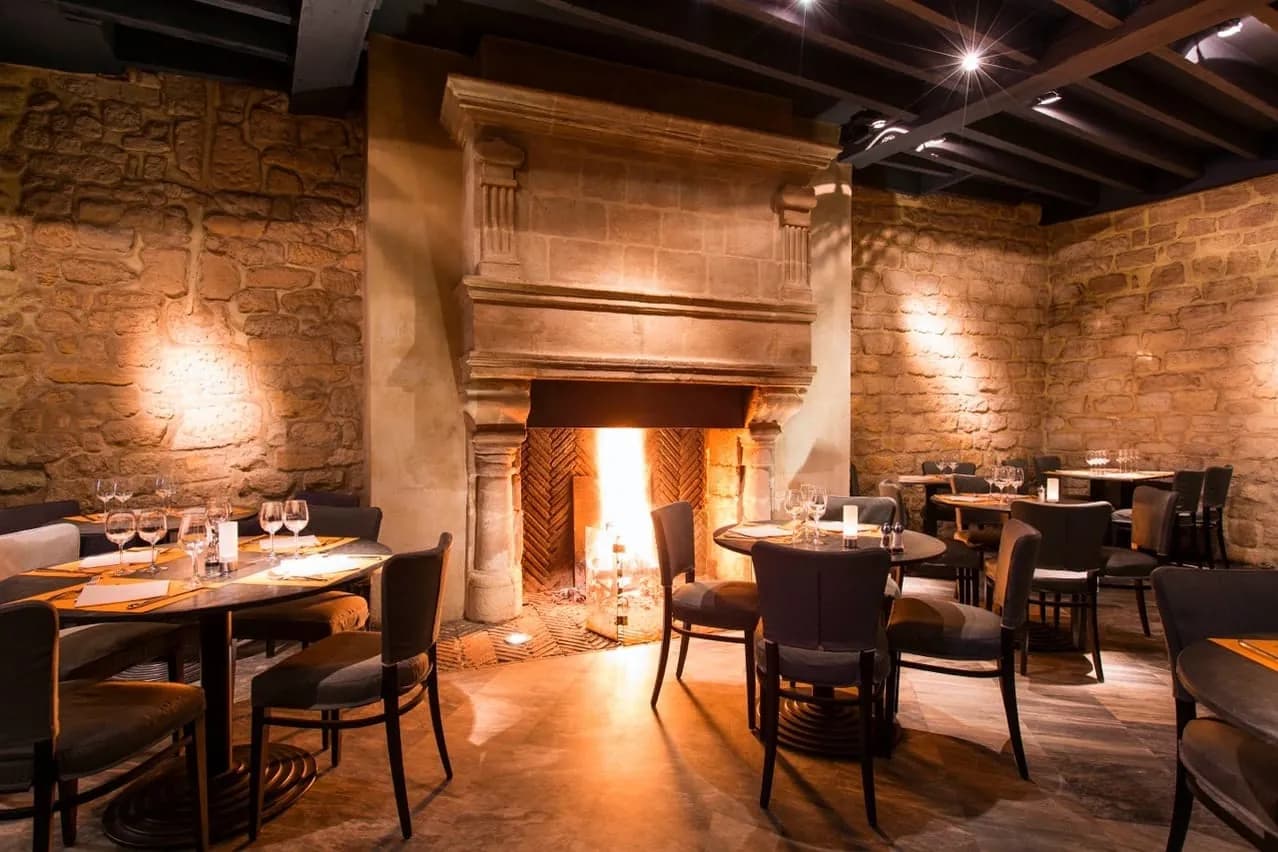
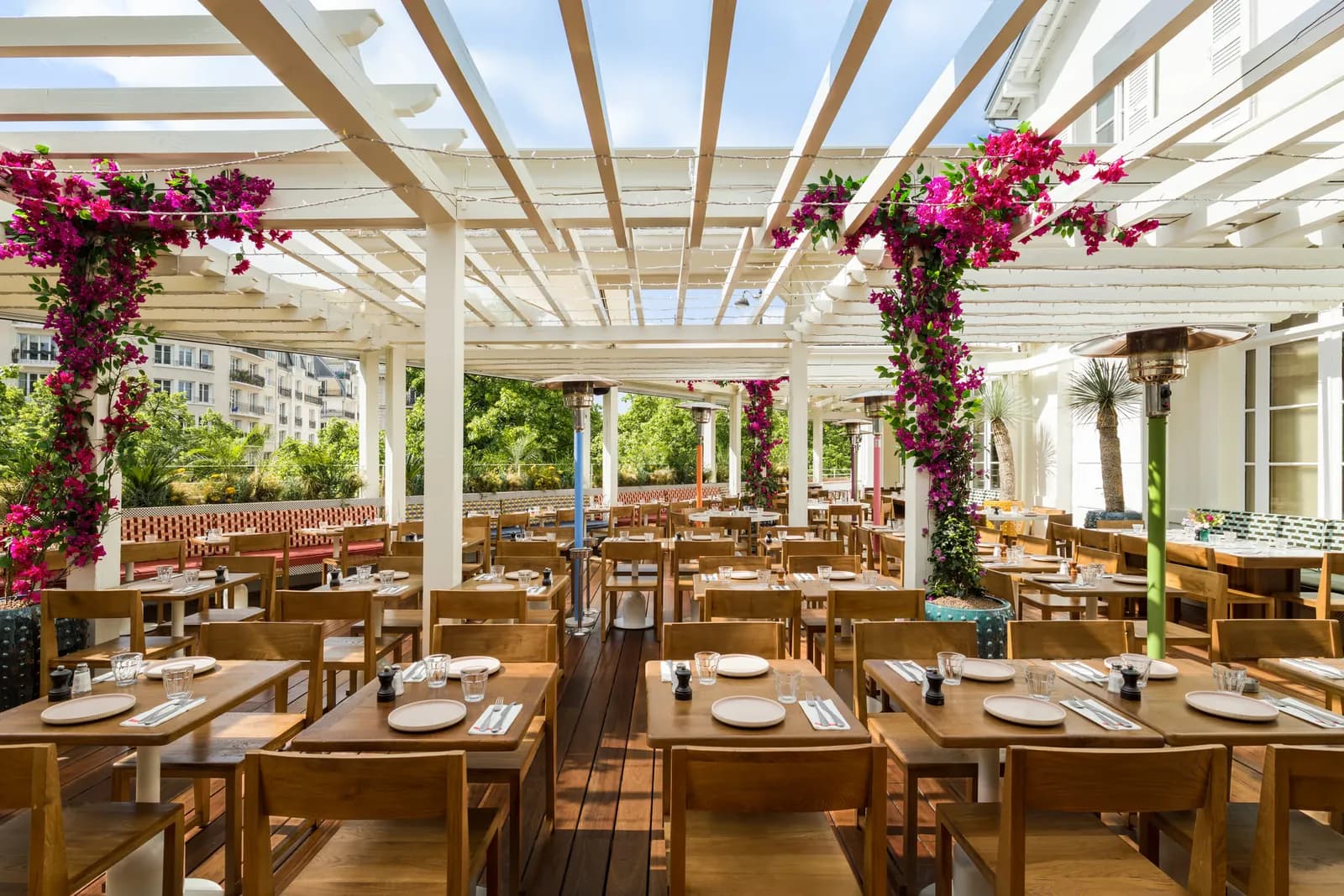
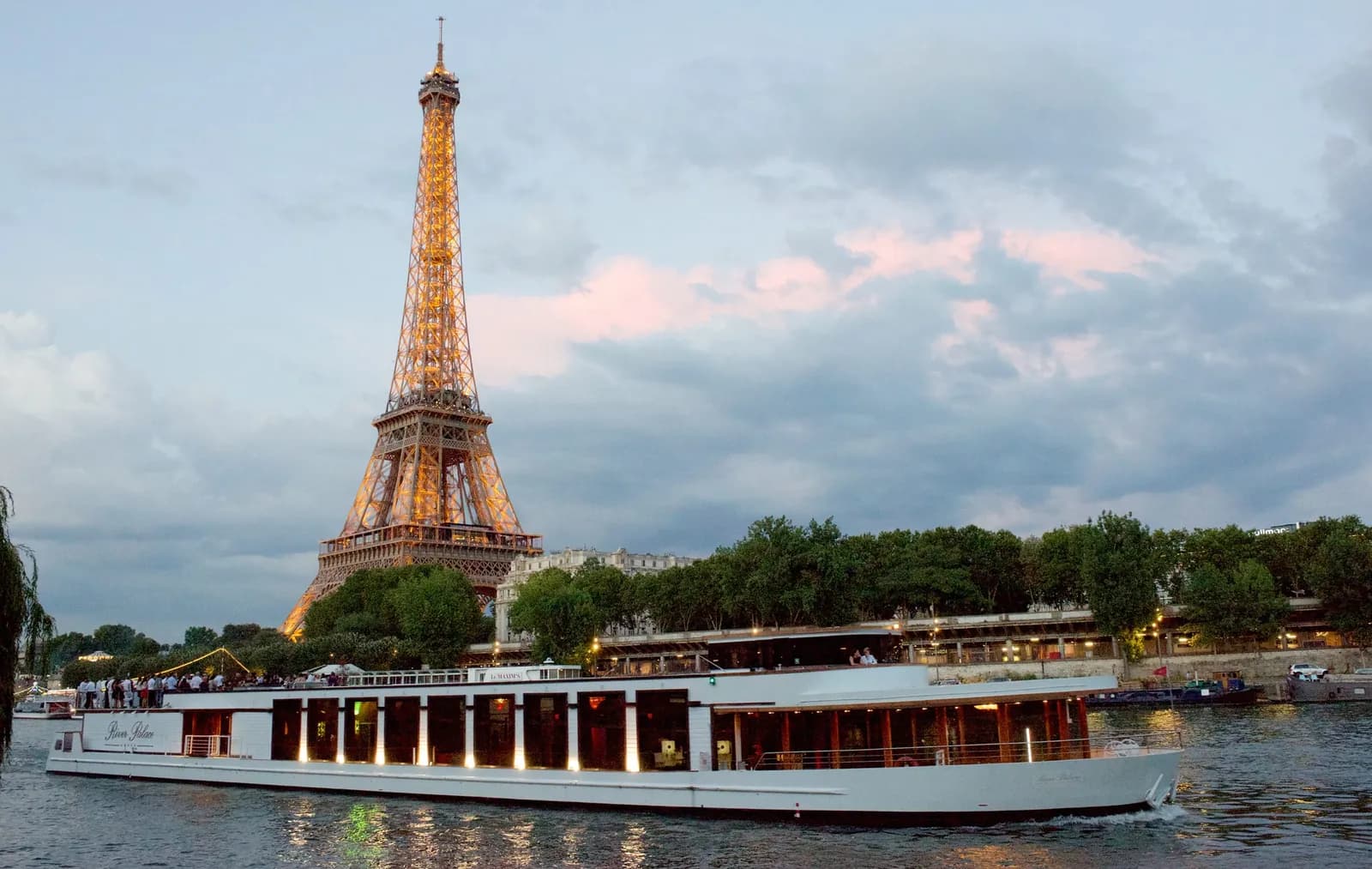
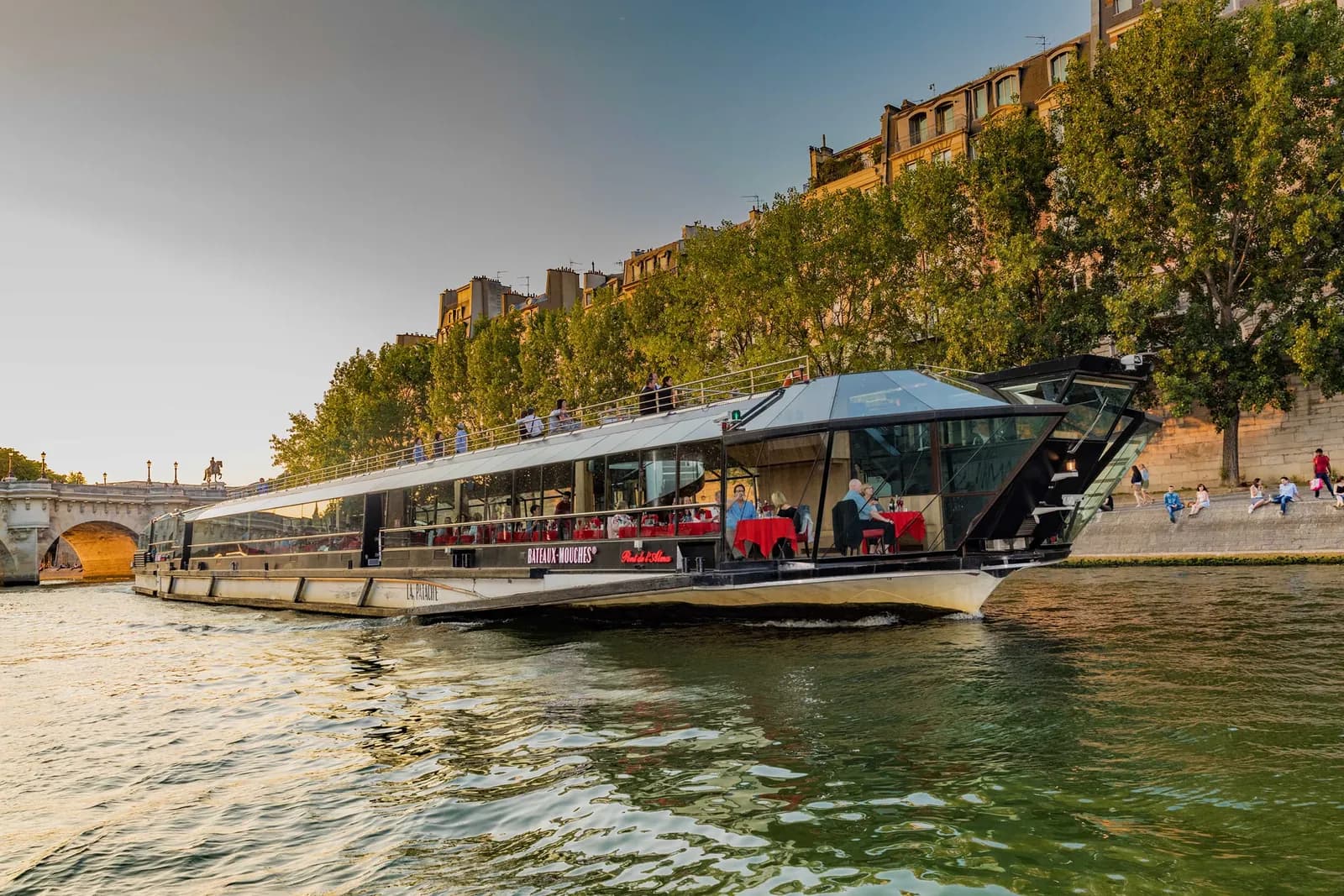
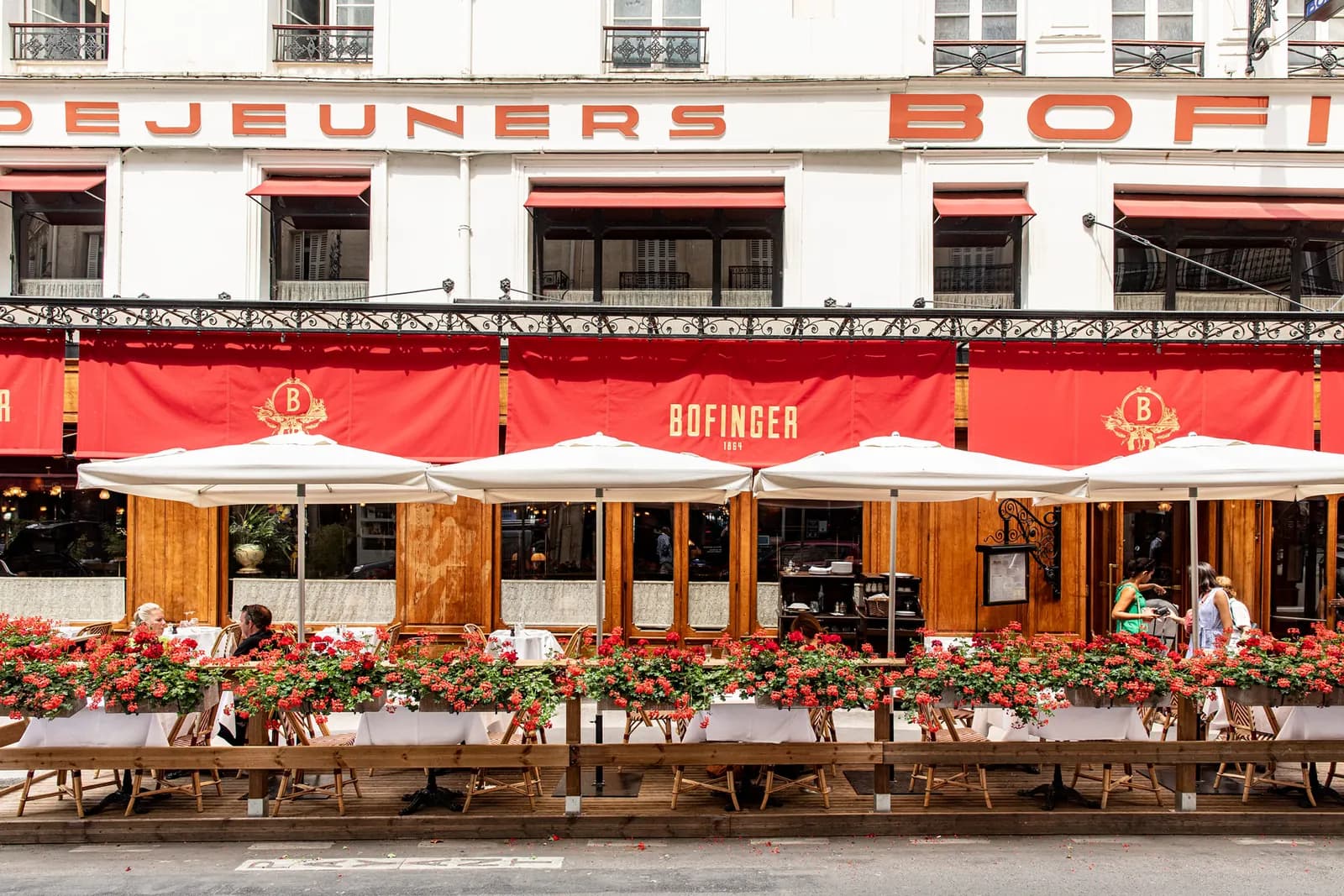
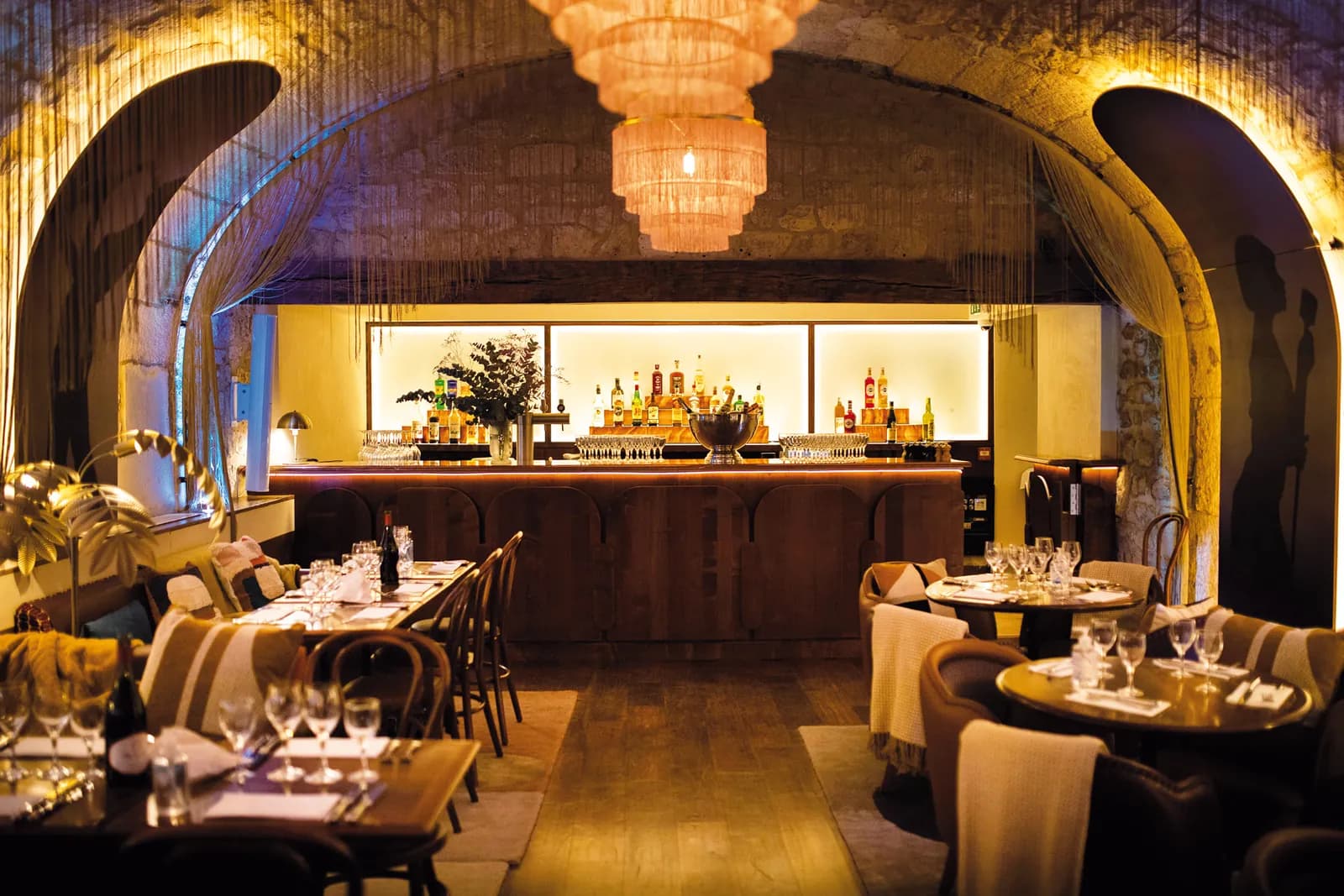
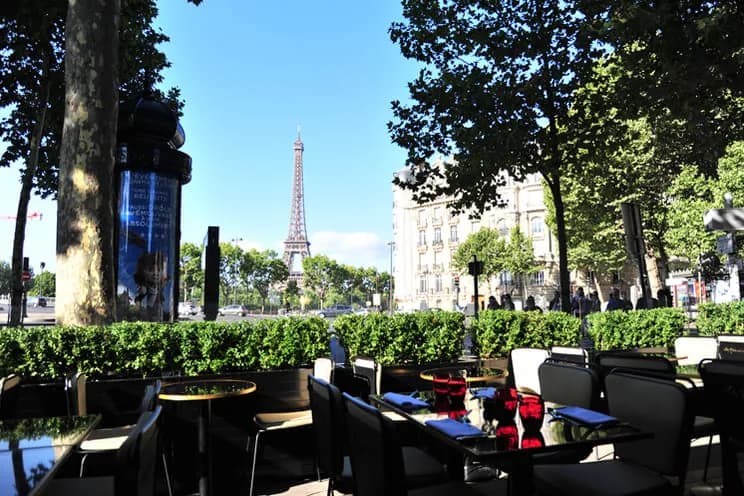
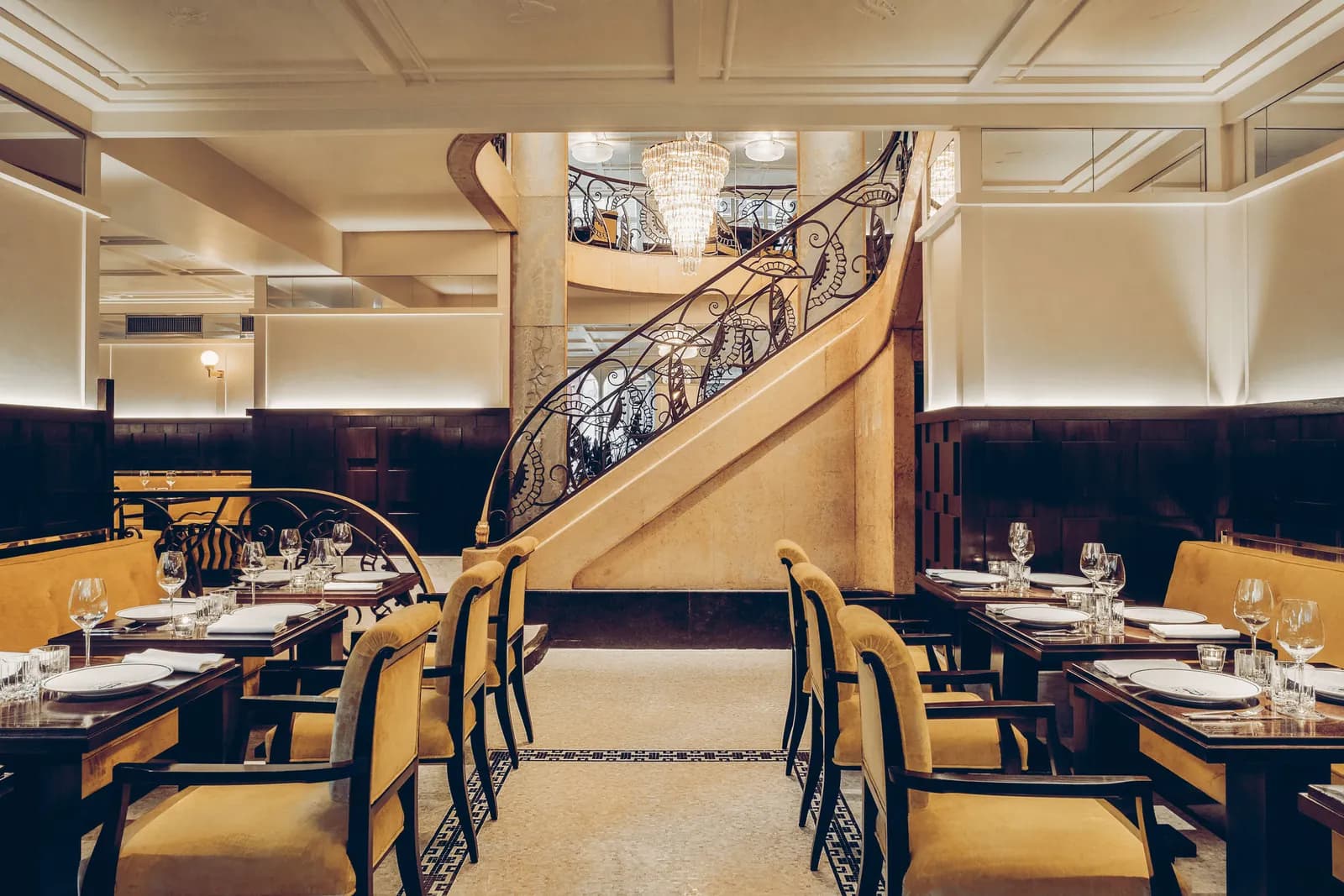
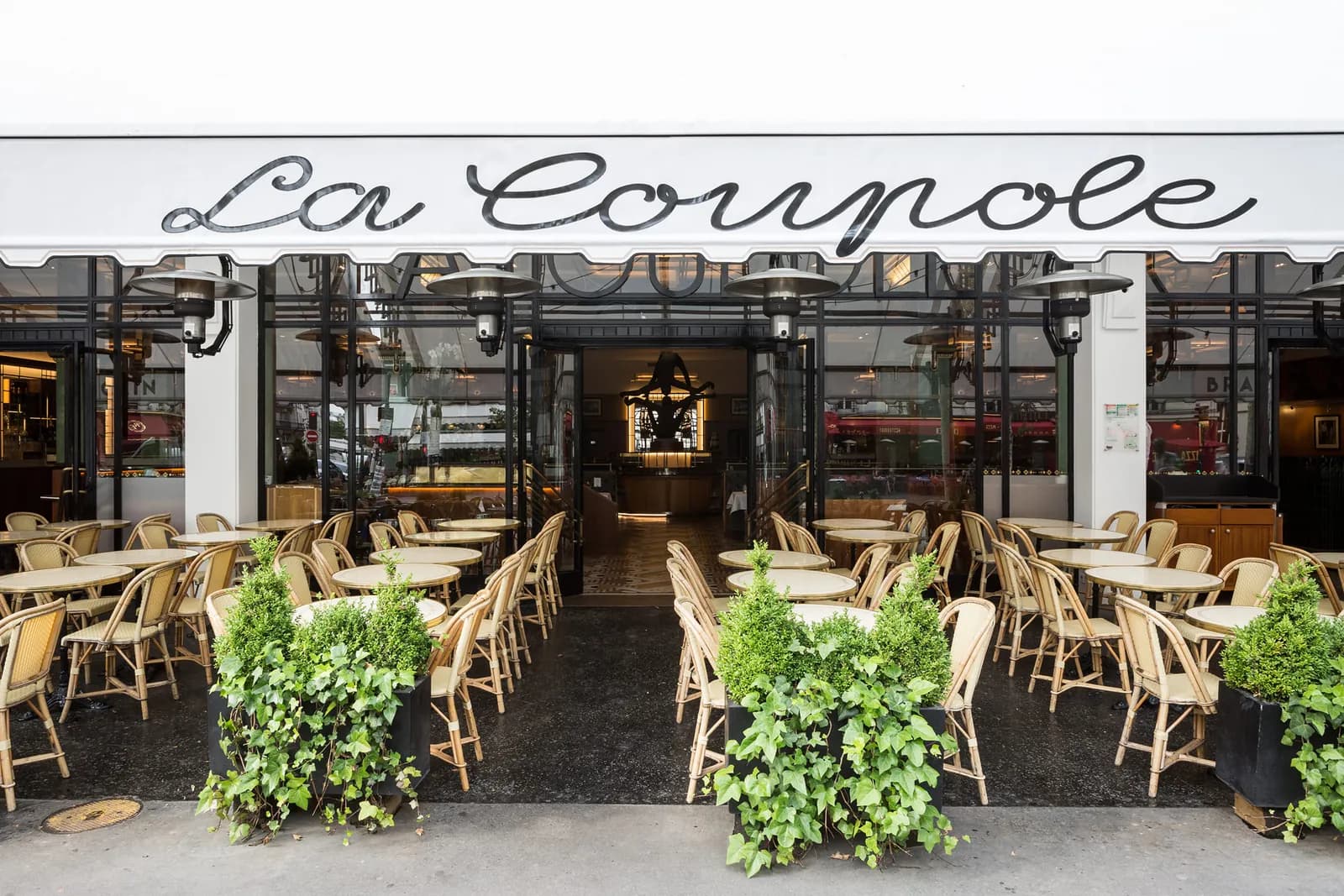
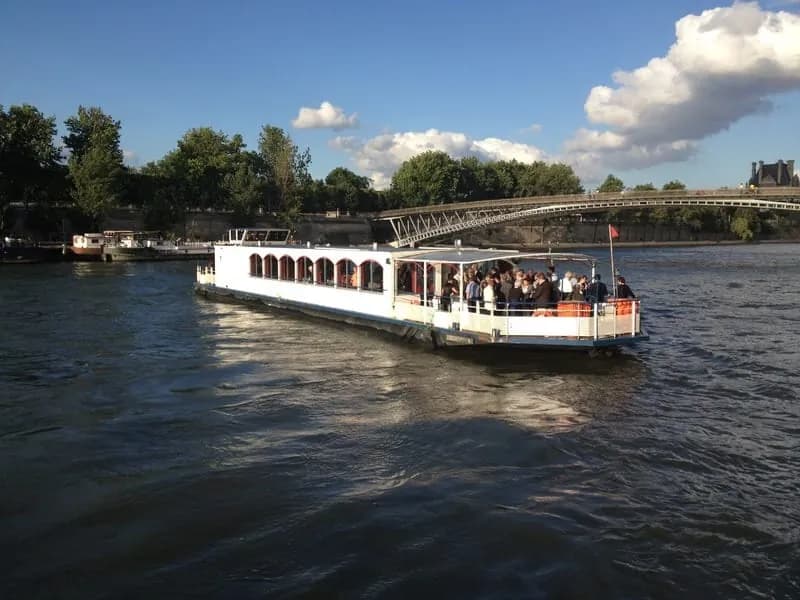
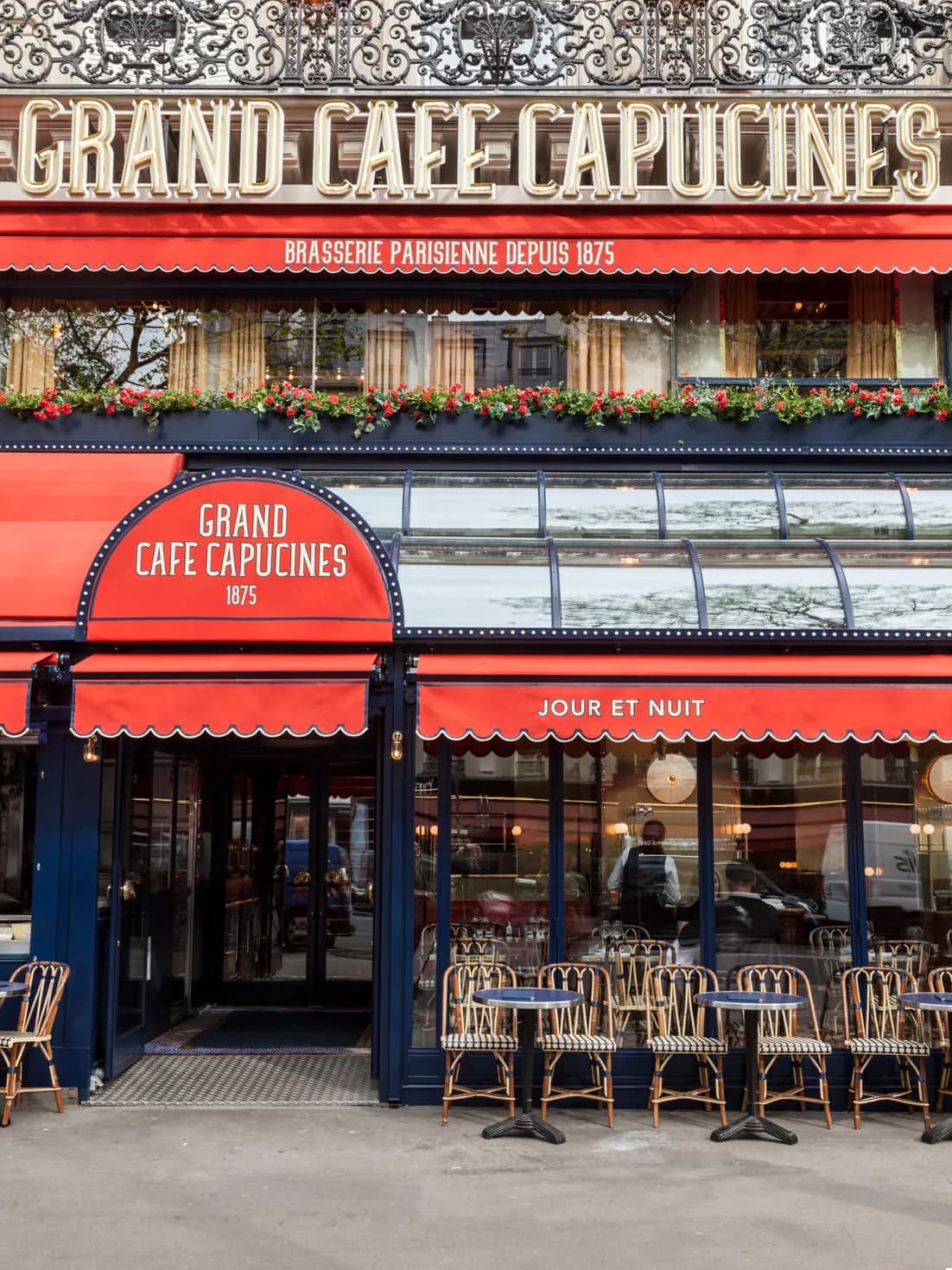
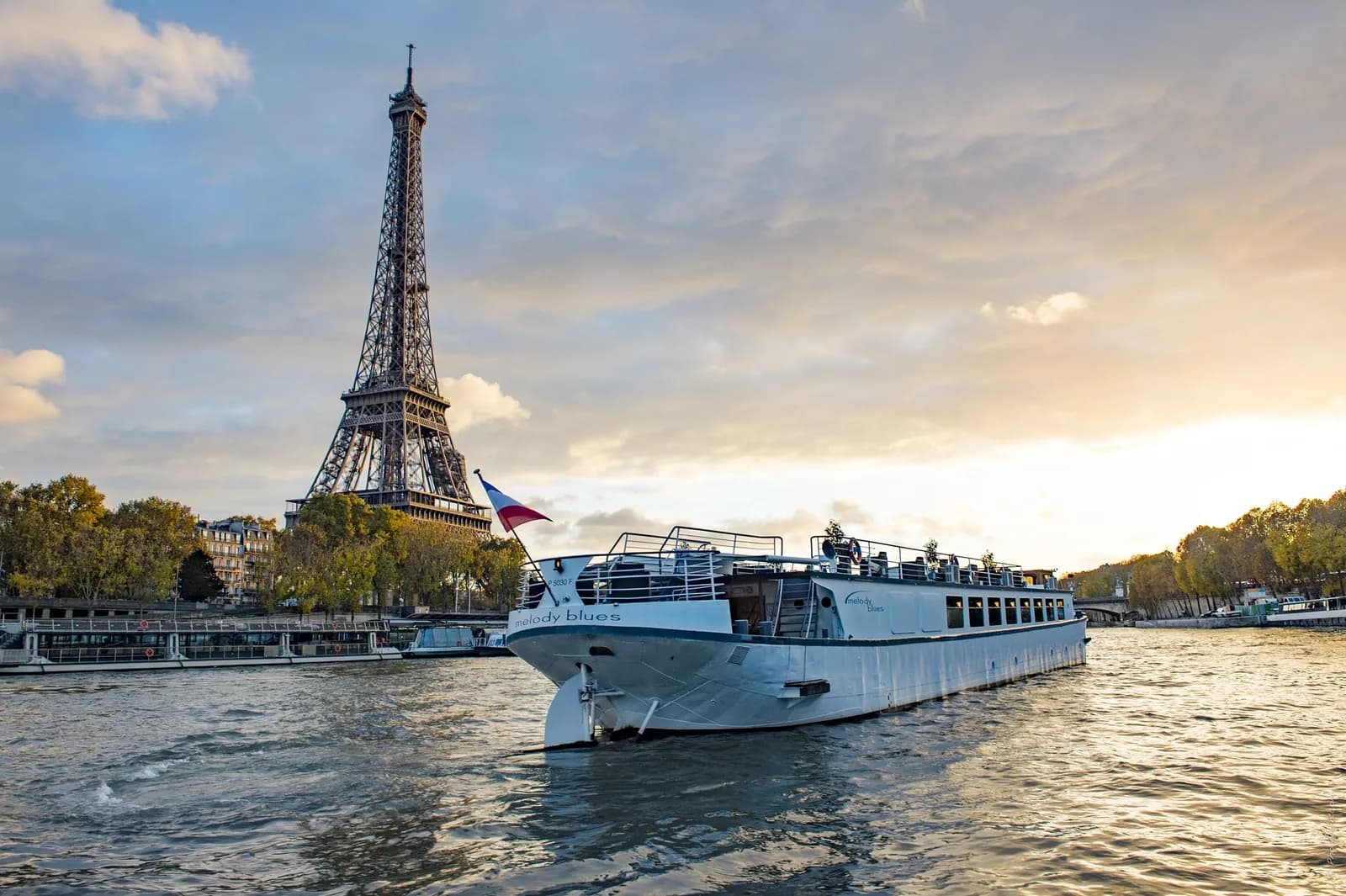
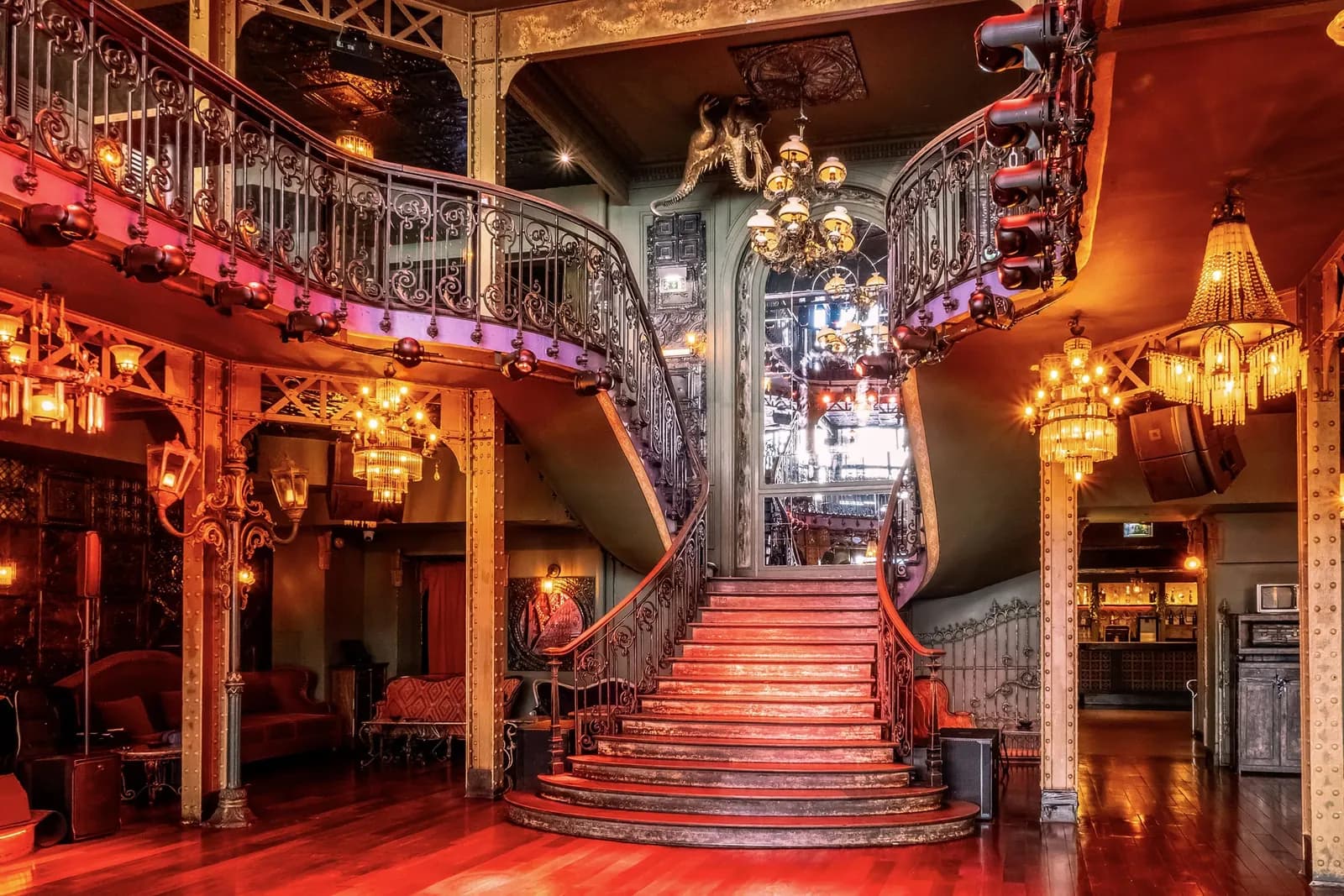
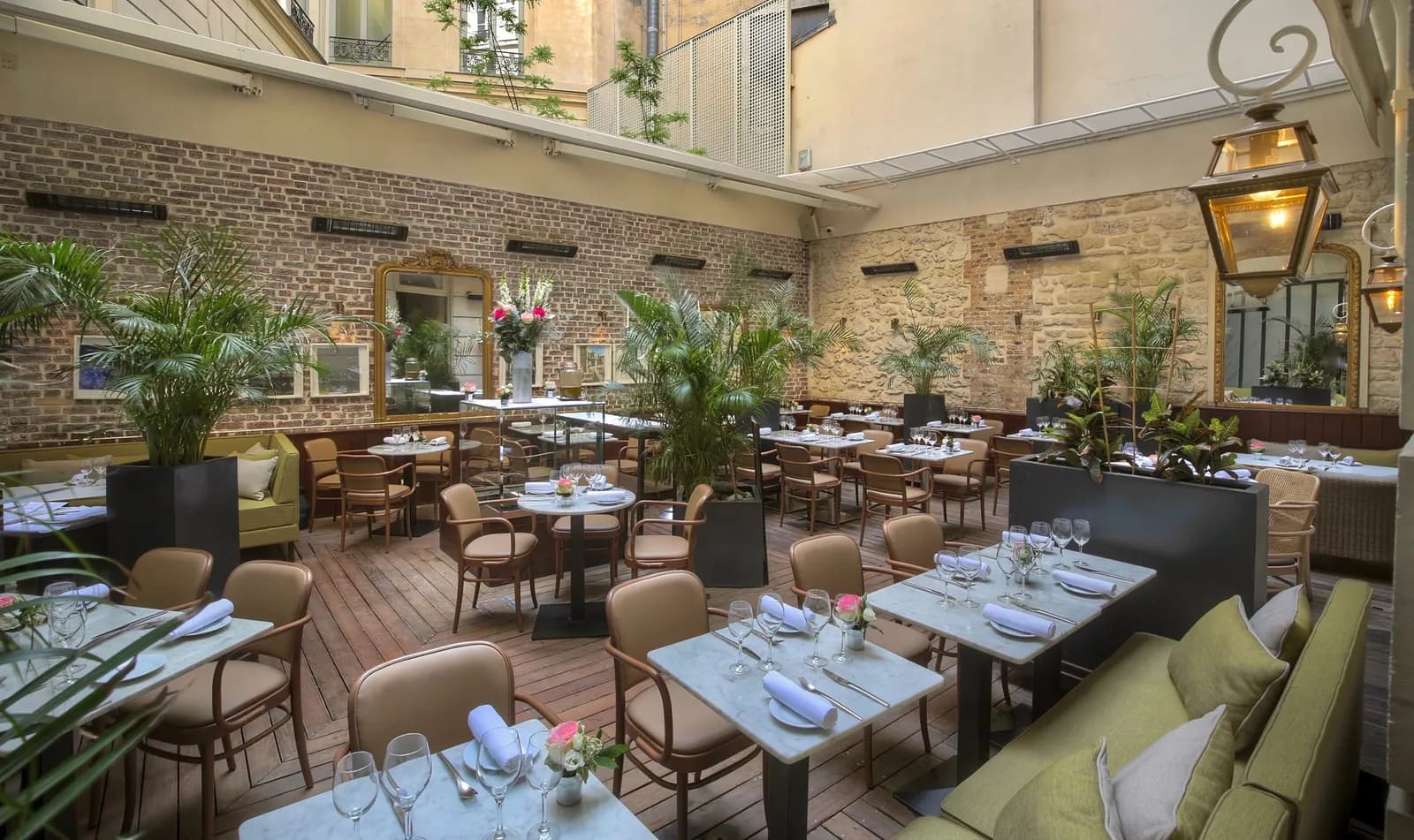
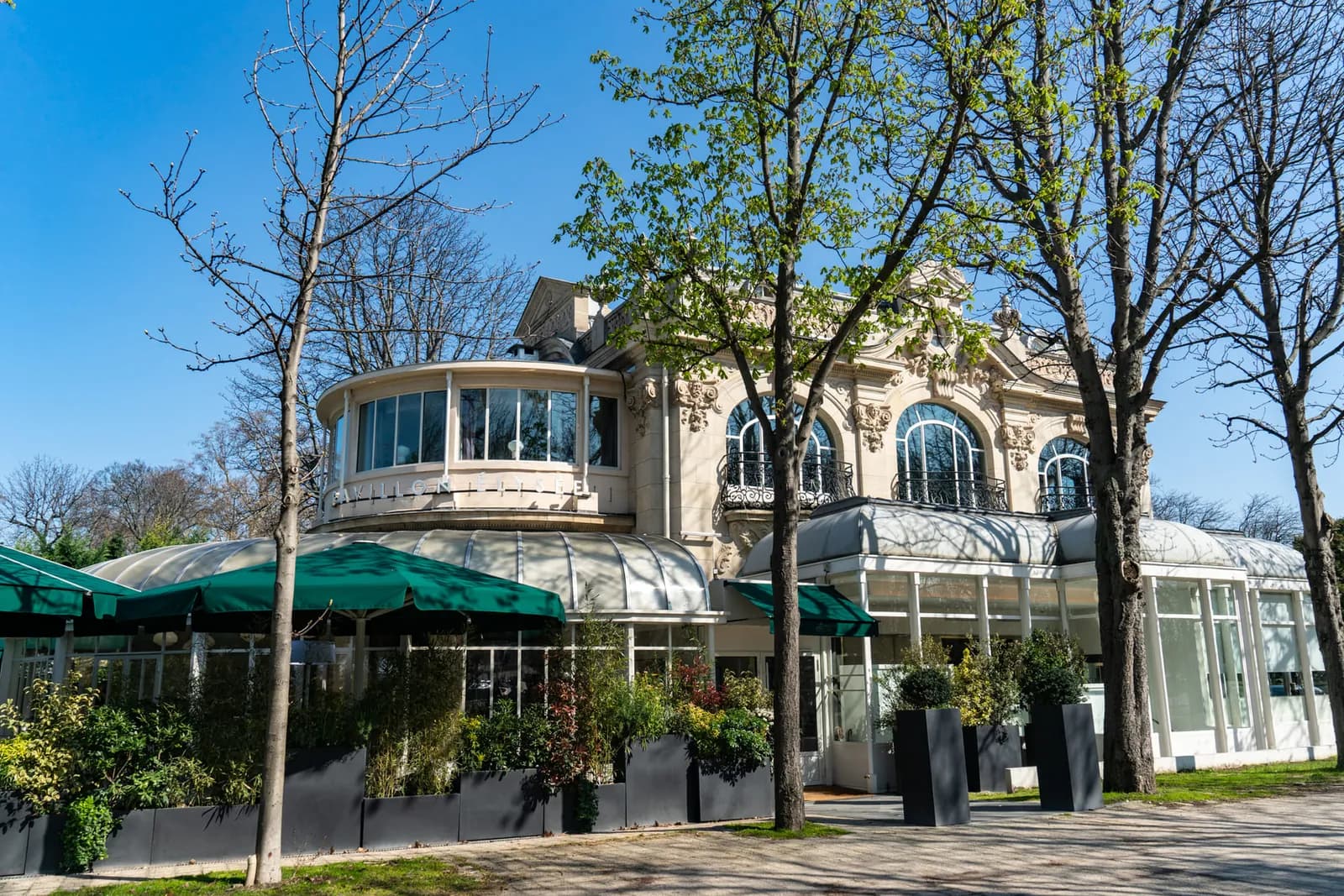
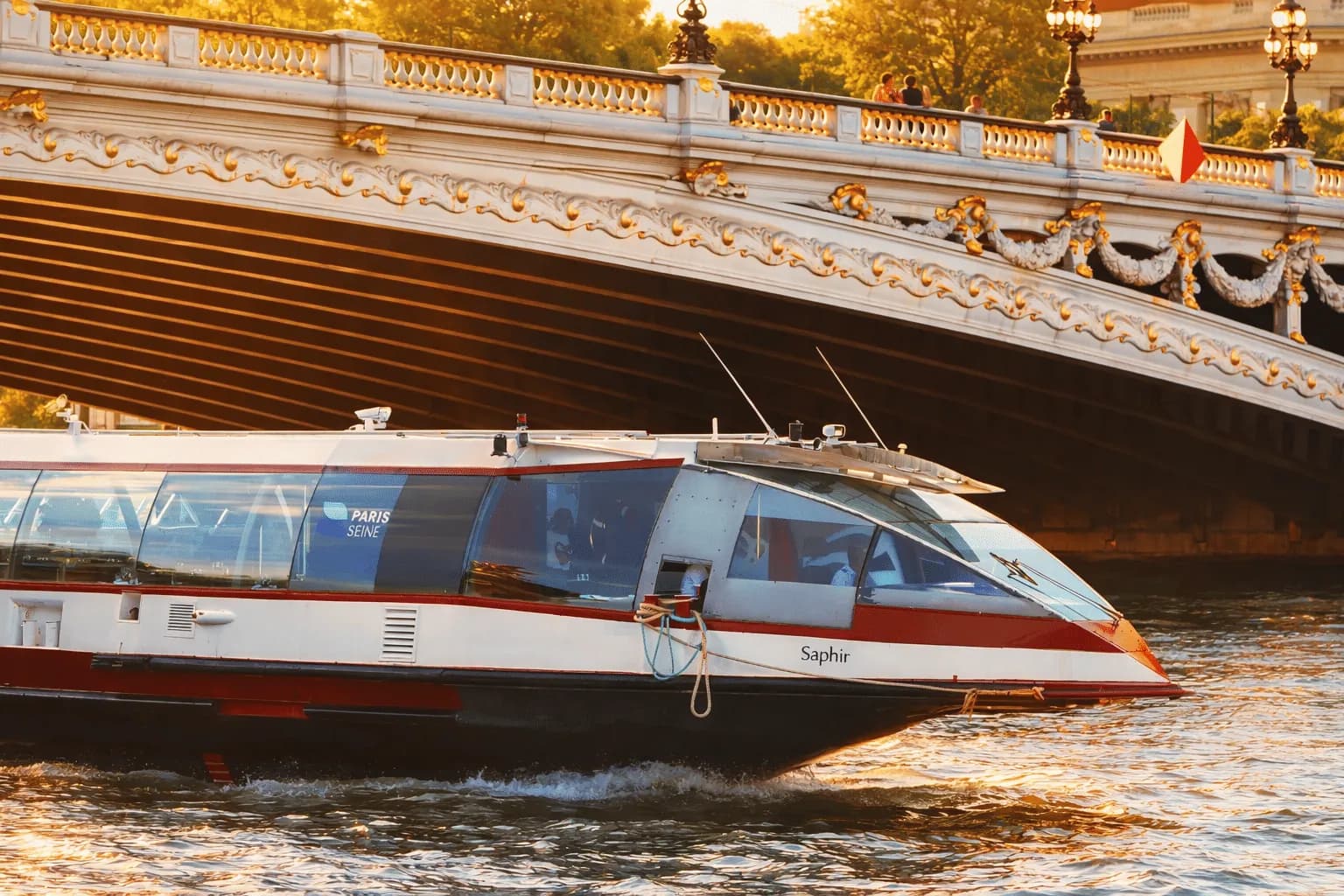
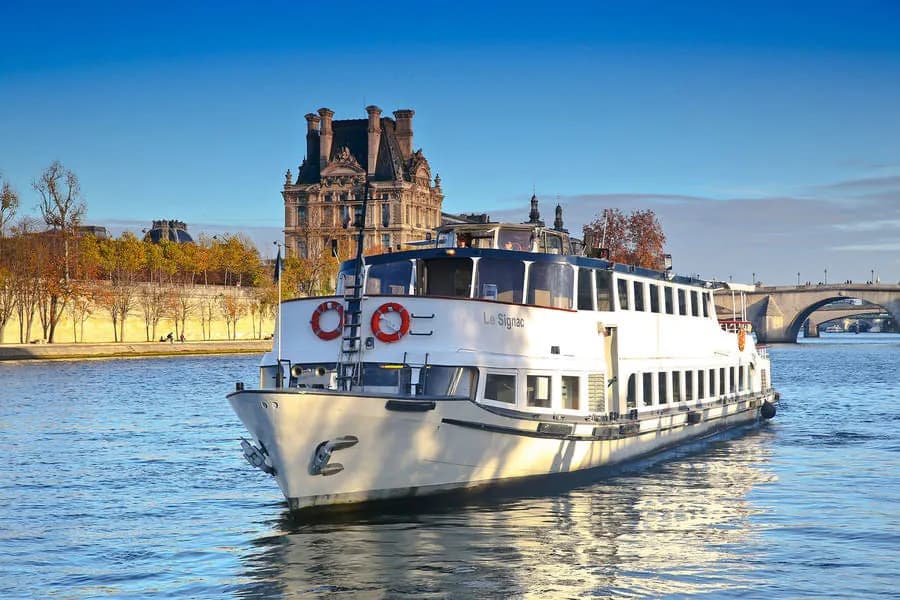
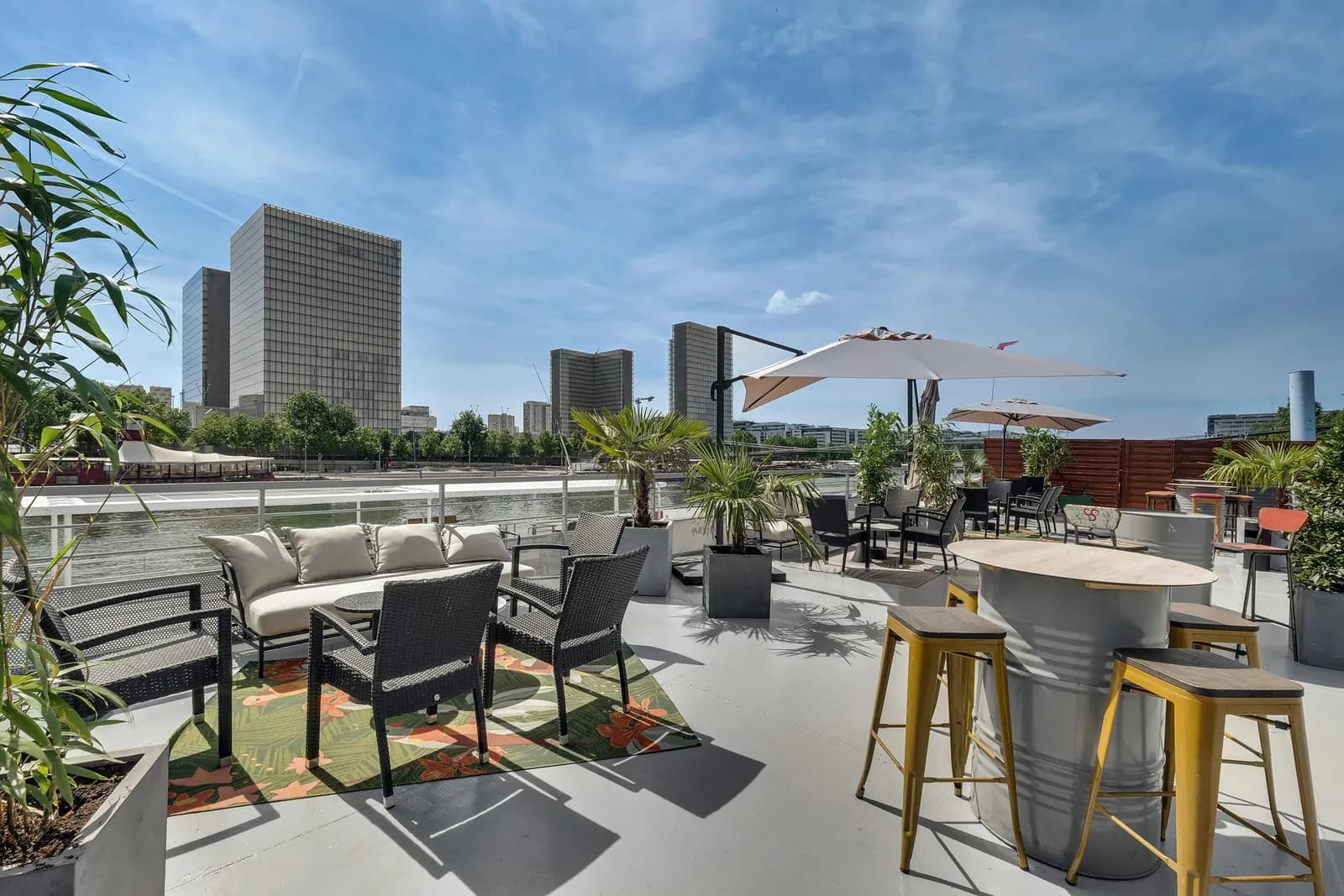
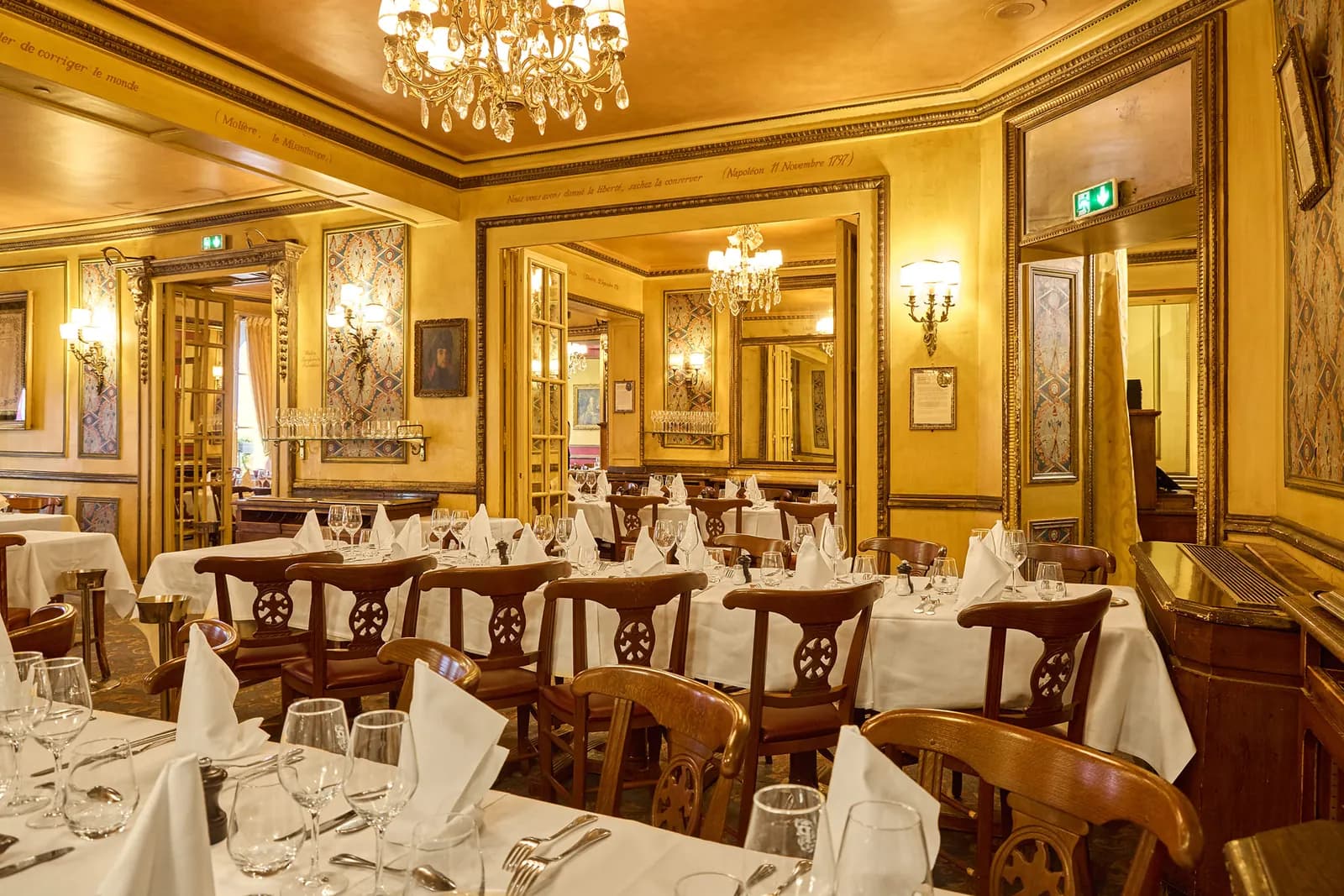
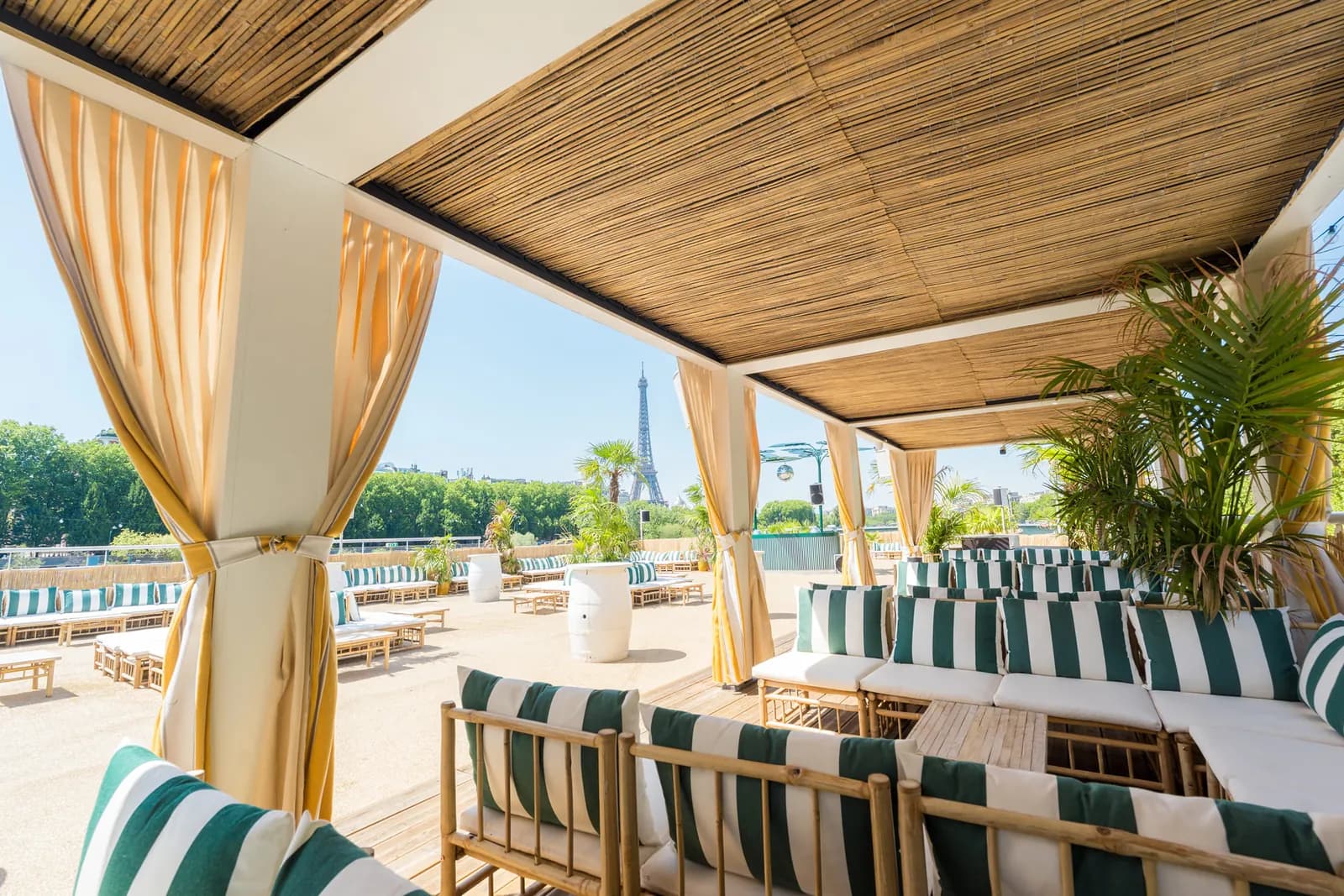
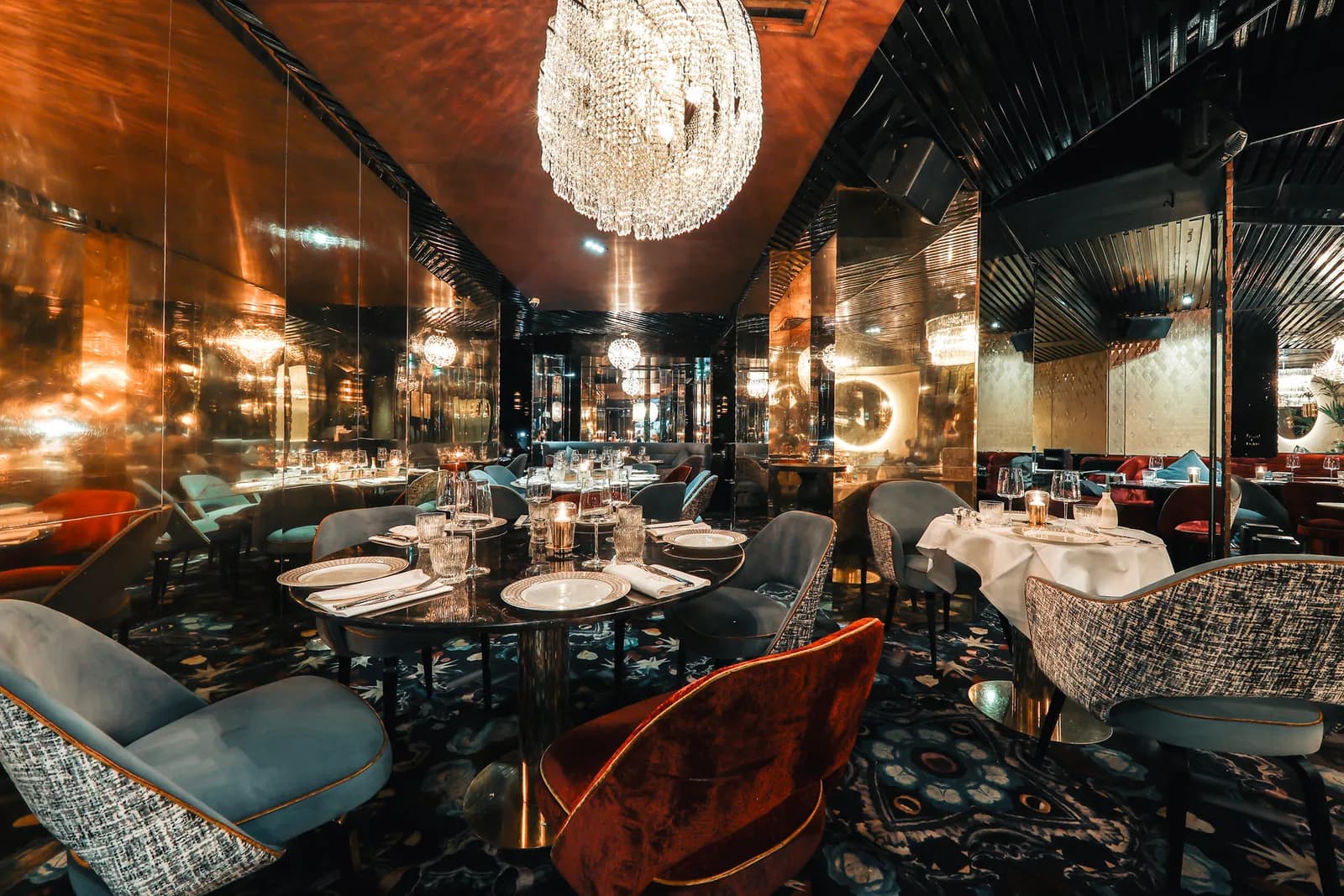
The choice depends on the purpose: a working lunch near the meeting room needs speed and comfort; a welcome dinner can be informal and regional; a farewell evening may call for a château, a historic hall or a table with a view.
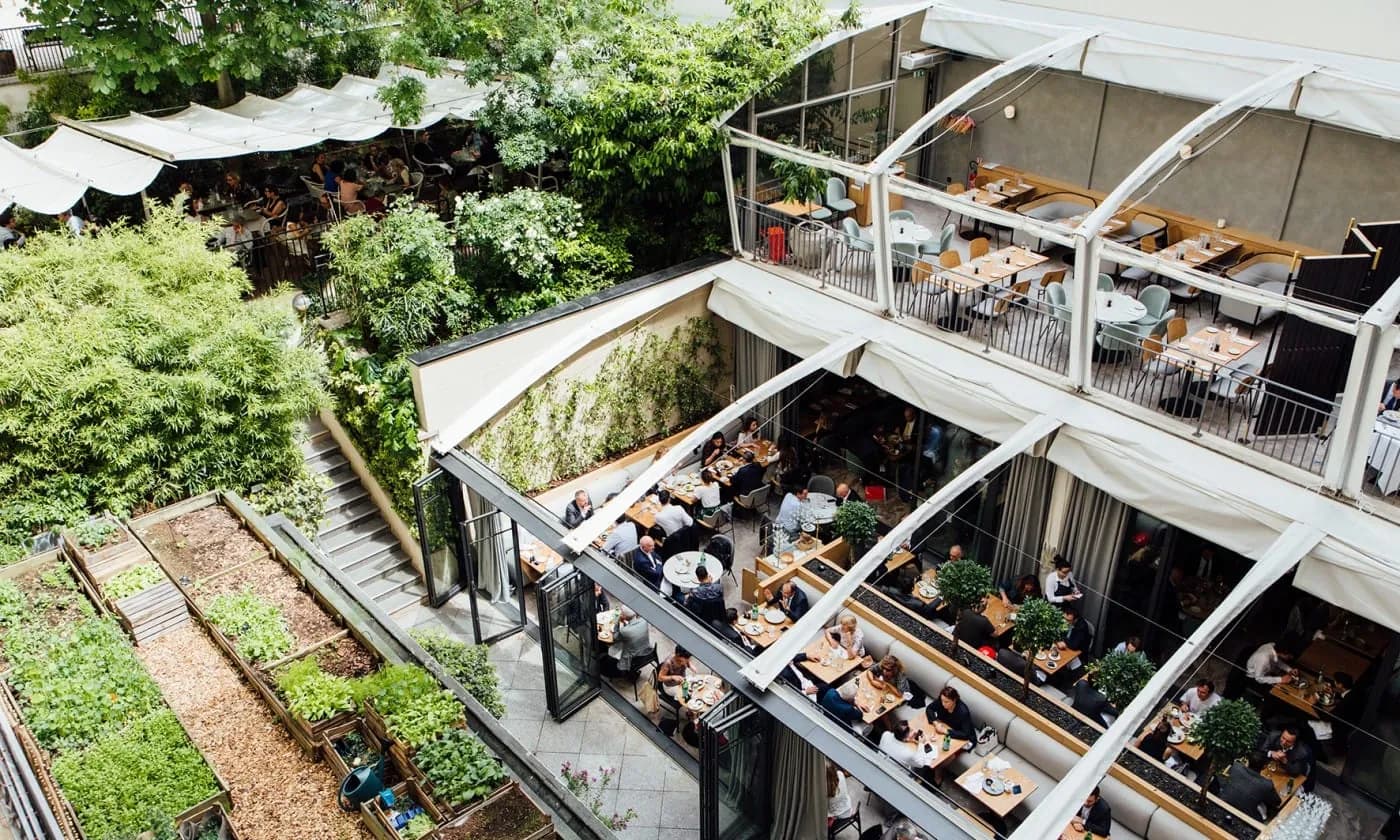
We consider the practical elements as carefully as the cuisine: access for coaches, capacity of the room, kitchen capacity for the number of covers, acoustics for speeches, and the time needed to serve a full menu to a large group. A restaurant that is excellent for forty guests may not be suitable for one hundred and twenty.
All proposals include an indicative cost per person, stated excluding or including tax as appropriate, and the conditions for confirmation.
Private rooms, privatisation and gala dinners
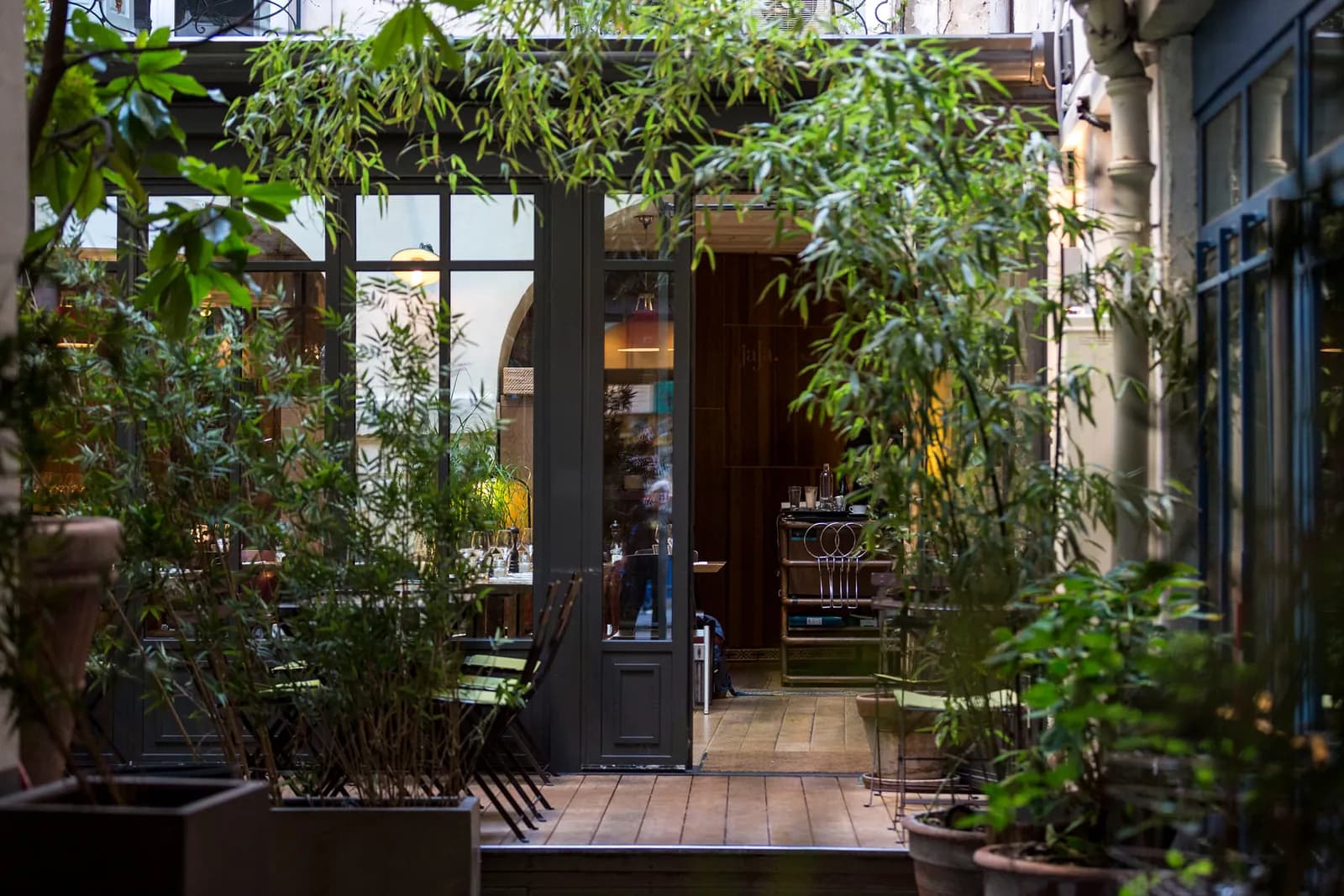
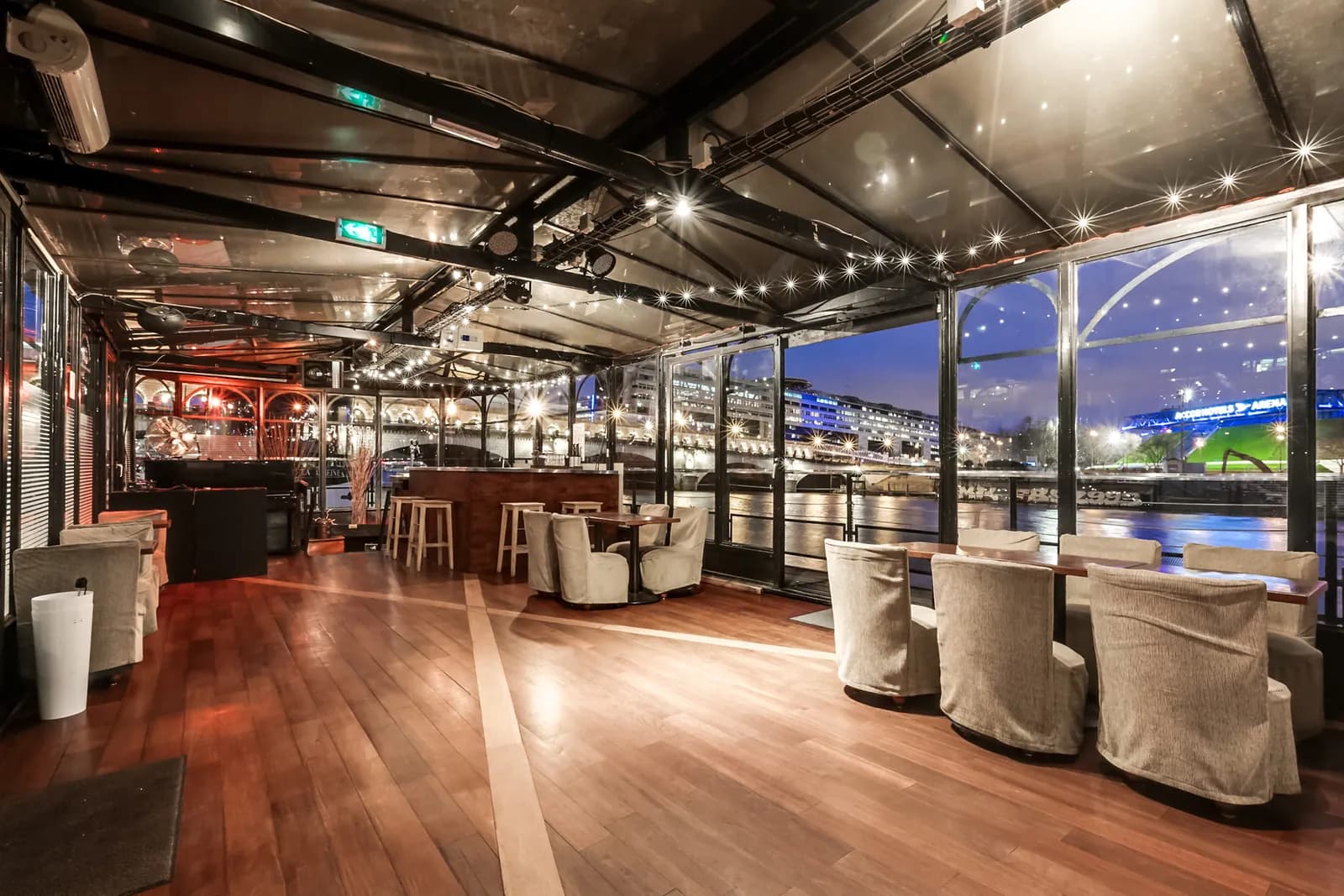
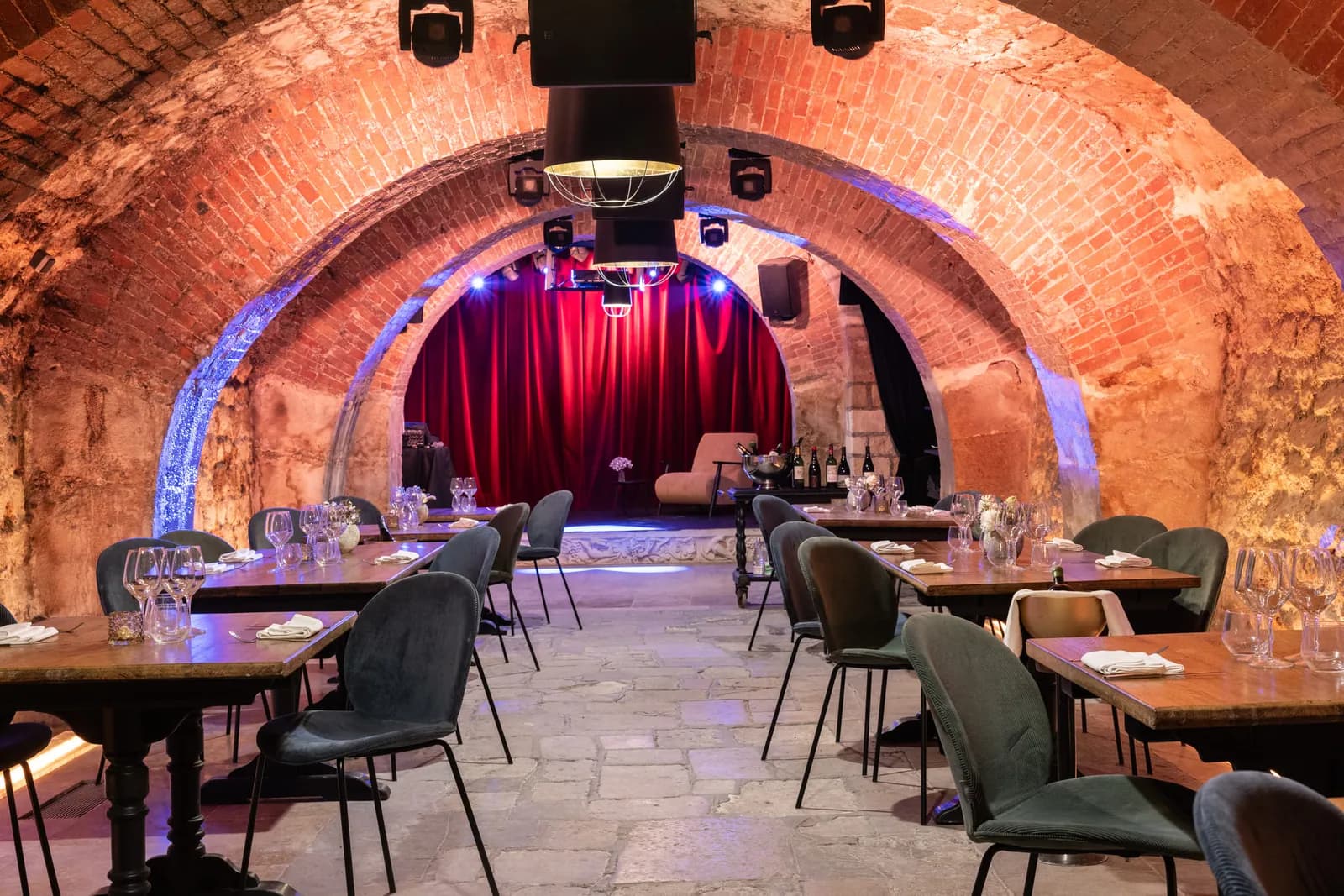
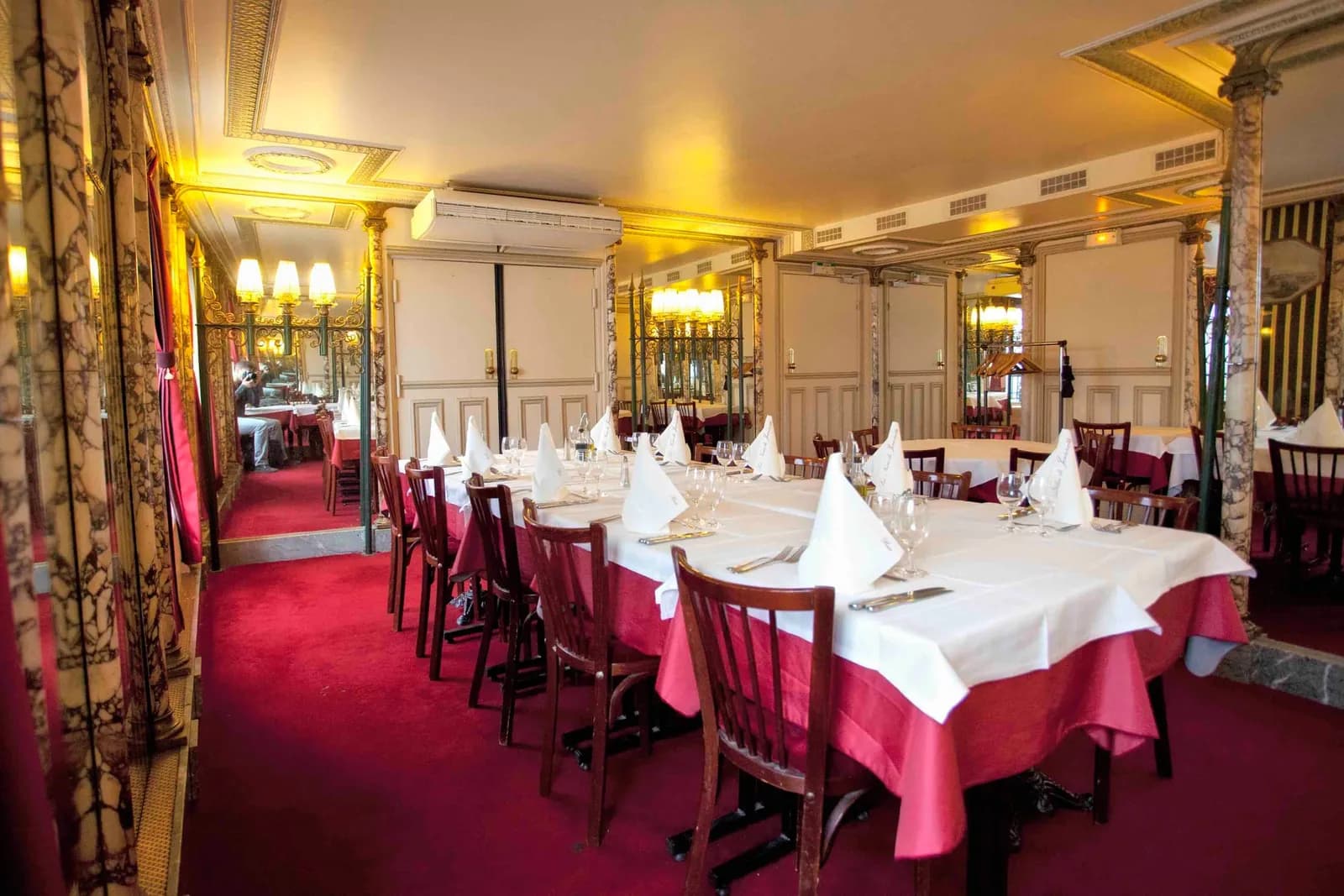
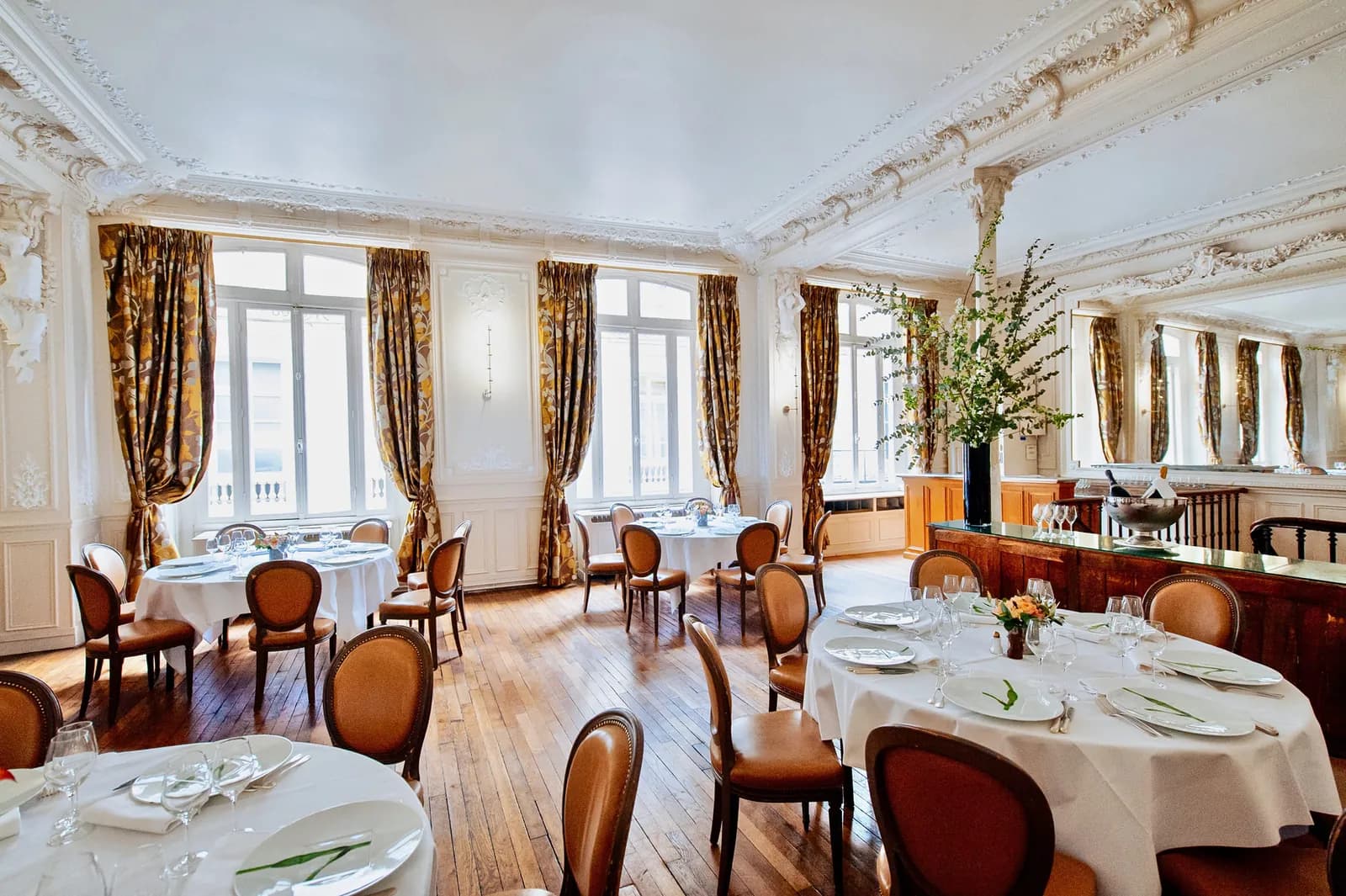
Many restaurants can receive a group in a private room, and some can be taken over entirely, but this is never automatic. It depends on the establishment, the day, the season and the number of guests. We therefore present privatisation as available on request and subject to availability, and we confirm it in writing before including it in a programme.
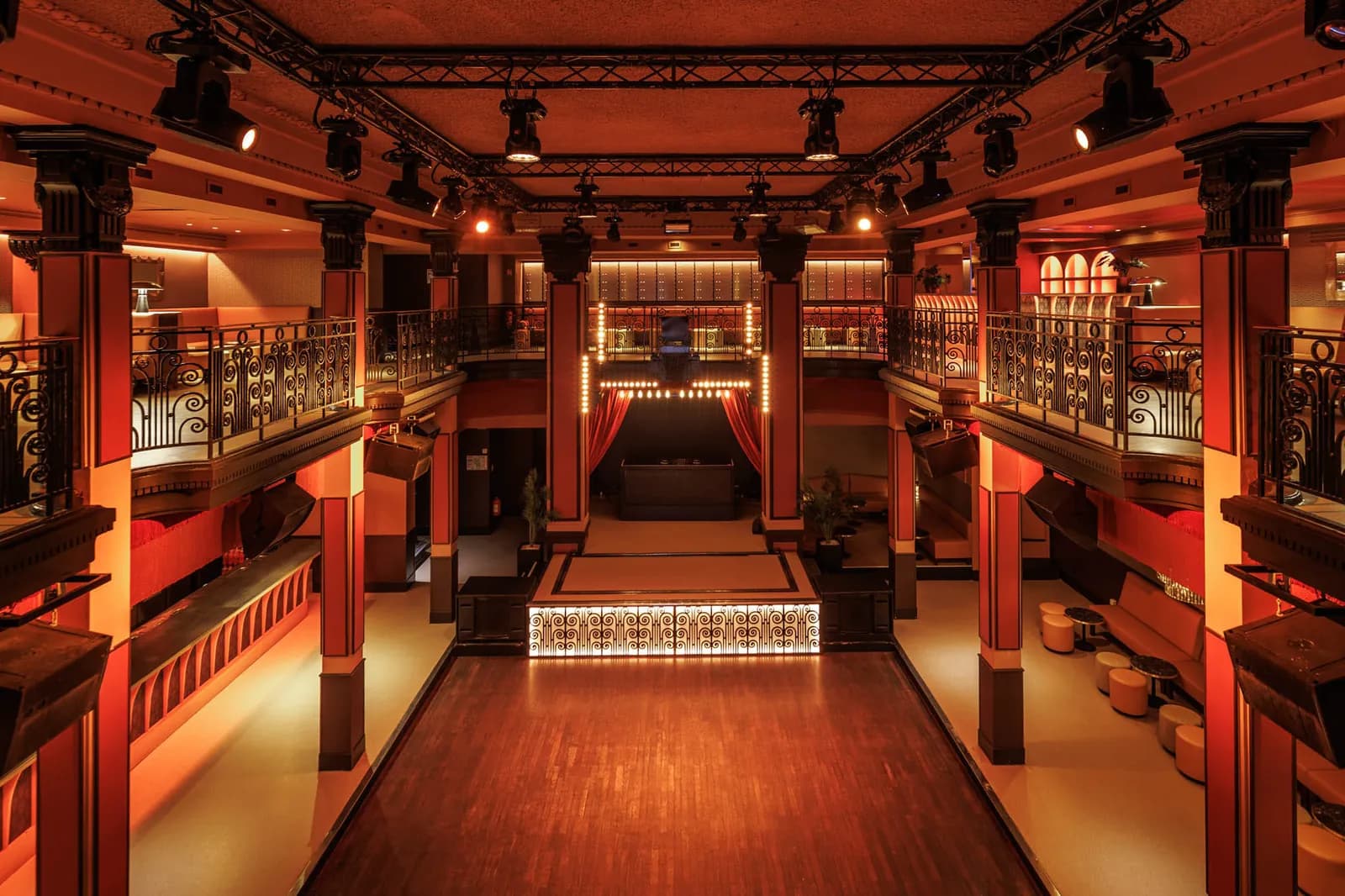
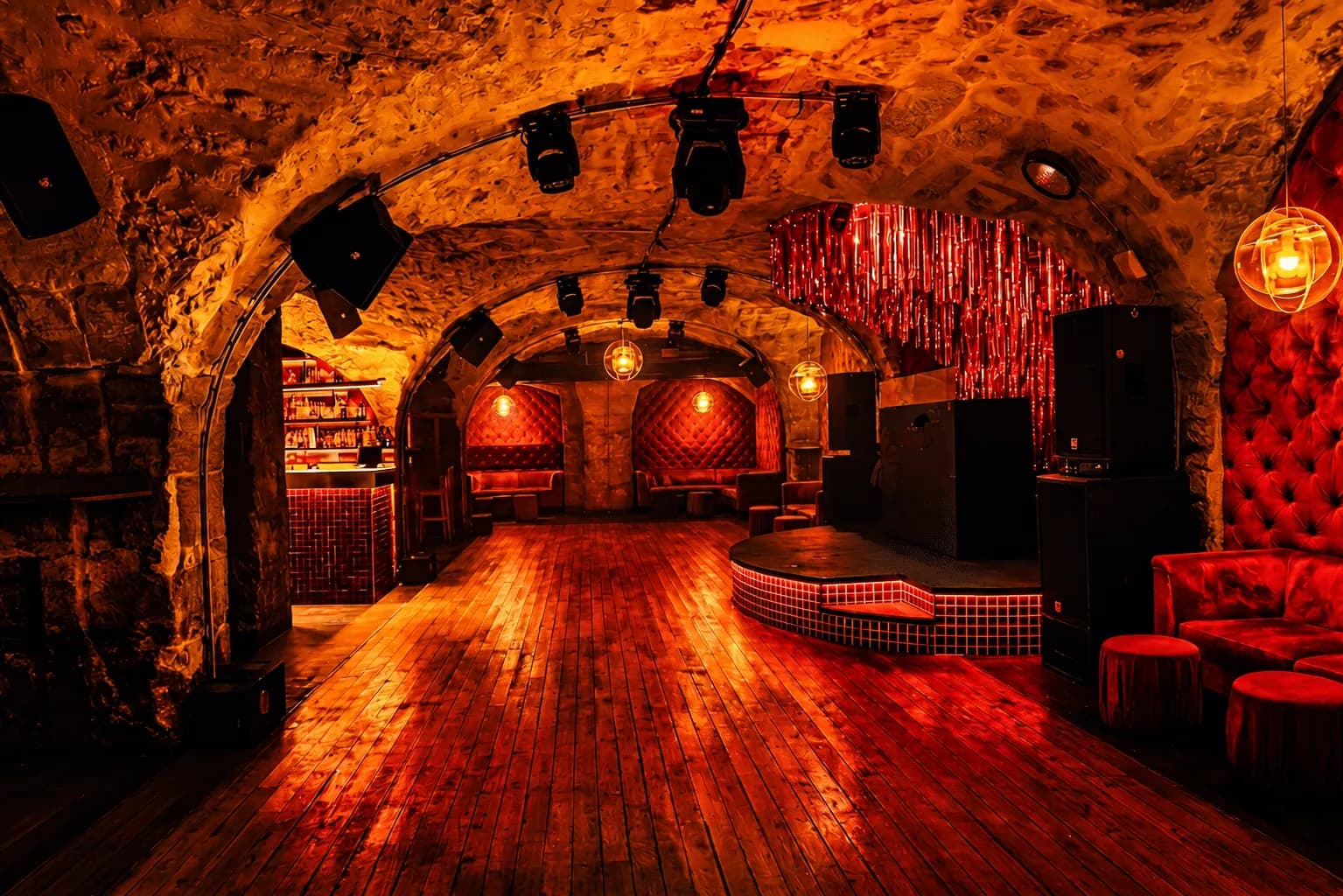
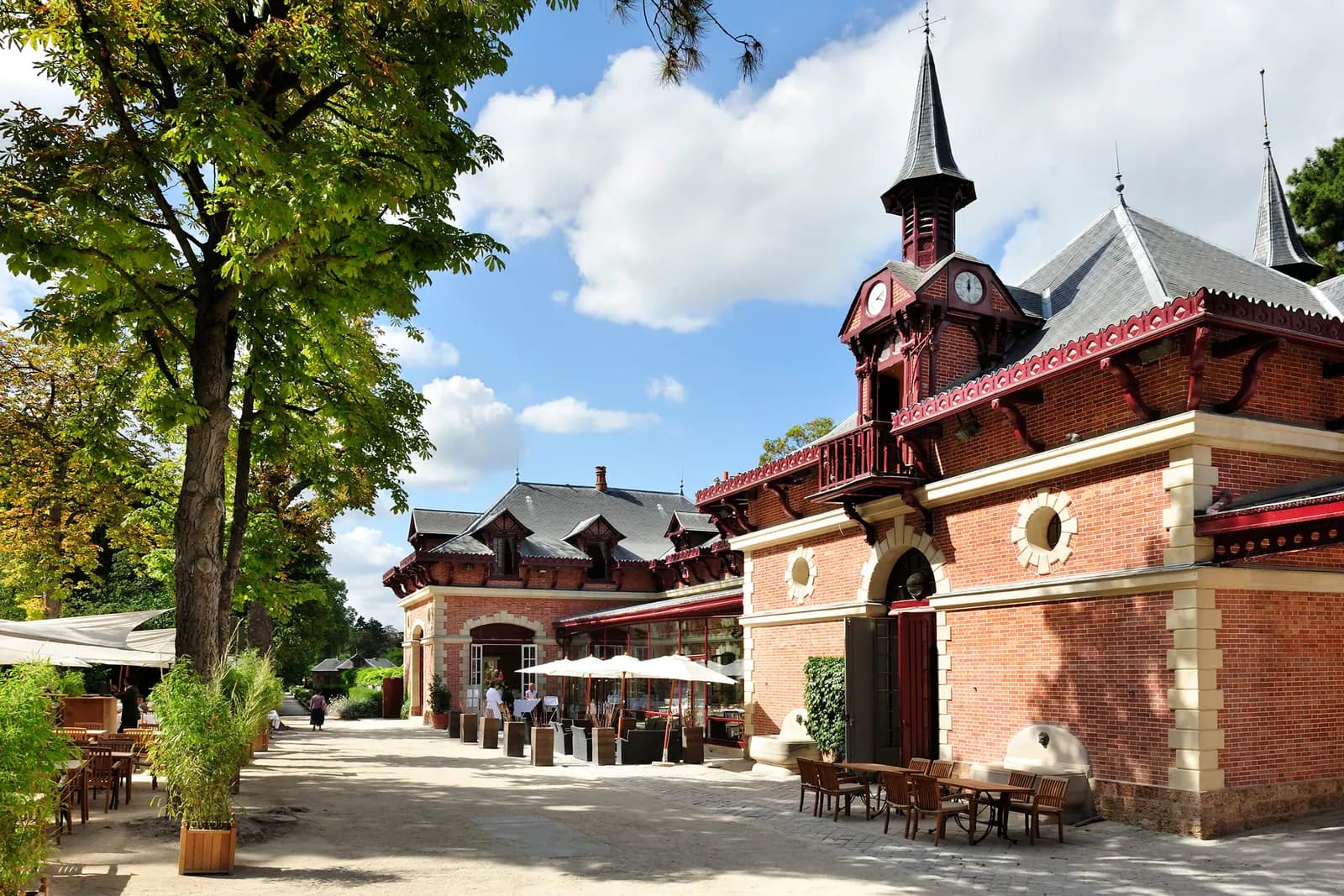
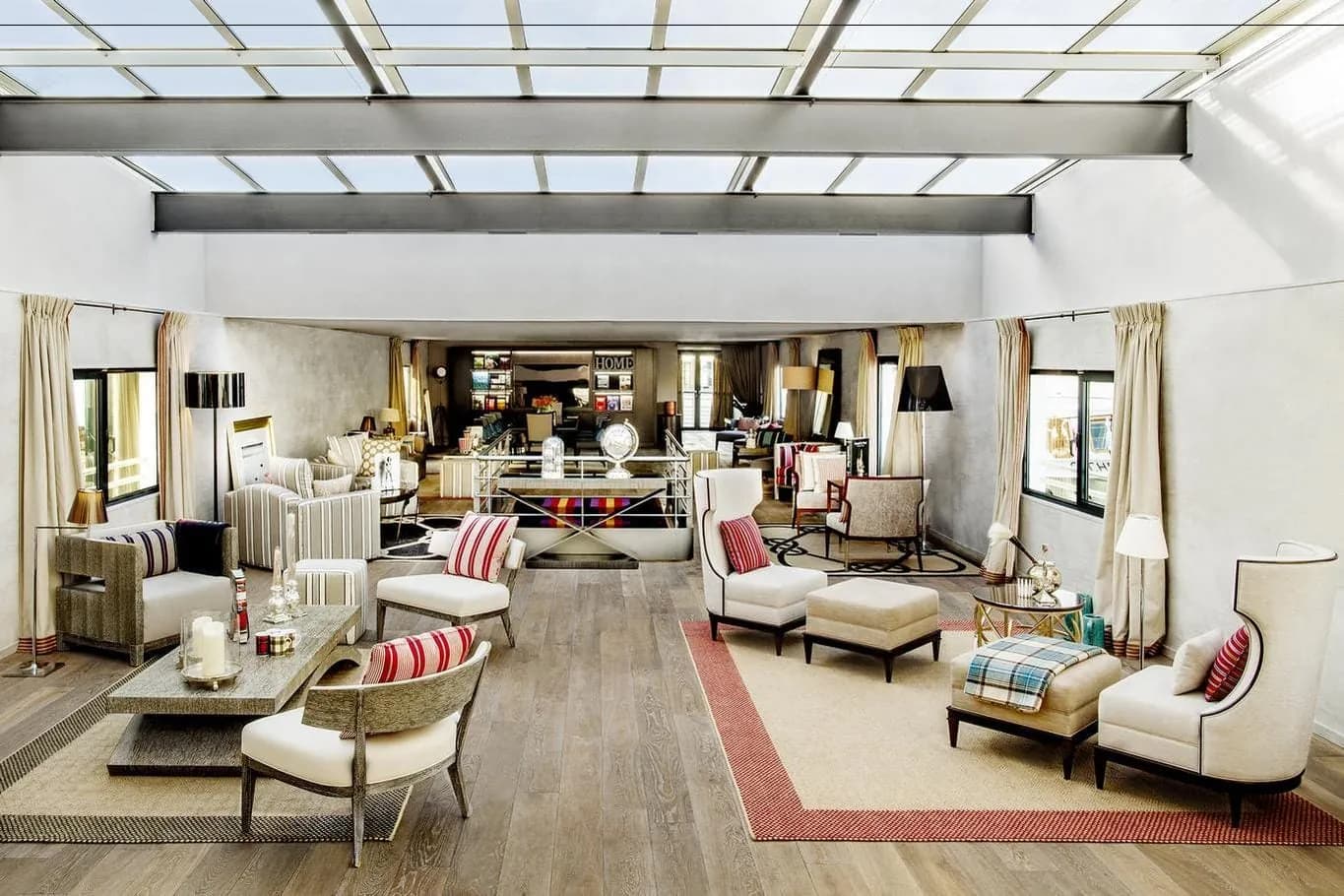
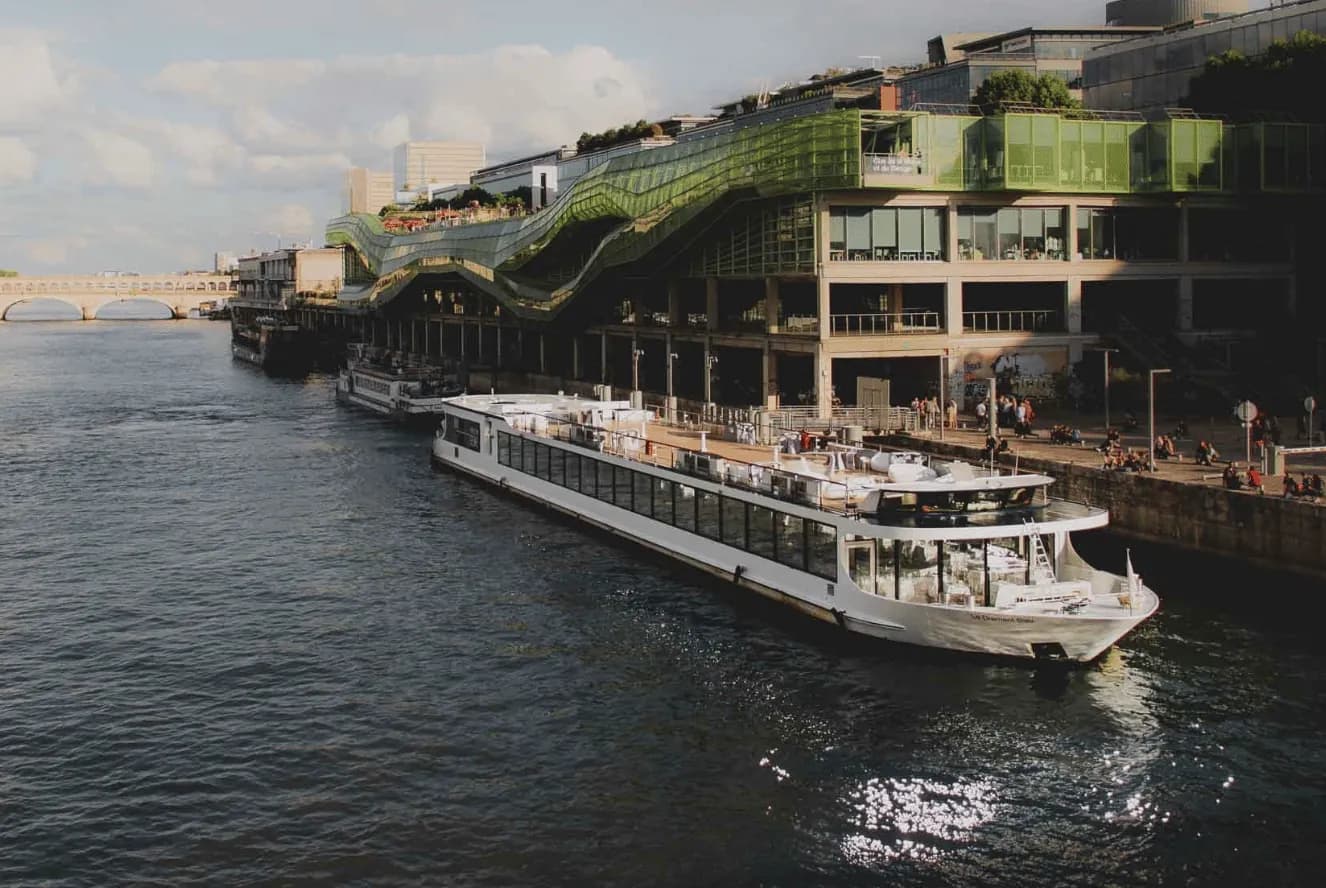
For larger gatherings, a gala dinner often takes place outside a restaurant: in a château, a museum, a winery, a hotel ballroom or a private estate. In these cases we work with a caterer and coordinate the kitchen setup, service staff, tableware, lighting and music.
The formats vary: seated dinner, cocktail reception, buffet by stations, chef's table or tasting menu. We advise on the format that suits the number of guests and the ambition of the evening, and on the timing, because a French dinner typically starts later than in many other countries and a smooth service requires a realistic schedule.
Dietary needs, religion and allergies
A group from several countries rarely shares the same dietary needs. Halal, kosher, vegetarian, vegan, gluten-free and allergy-related requirements are common, and they must be handled with precision, not improvisation.
We collect needs at the registration stage and pass them to each restaurant or caterer with the exact number of guests concerned. For religious requirements, we discuss with the establishment what can be guaranteed: certified suppliers, separate preparation or an alternative venue better equipped for the request. We do not promise a certification that we cannot verify.
Allergies receive particular care. The kitchen is informed in advance, the service staff are briefed, and the dishes concerned are identified at the table.
We also think about alcohol, which is part of a French meal but not for every guest. Menus can be arranged with non-alcoholic pairings of real quality, so that all participants share the same moment.
Regional tables, from Lyon to Bordeaux
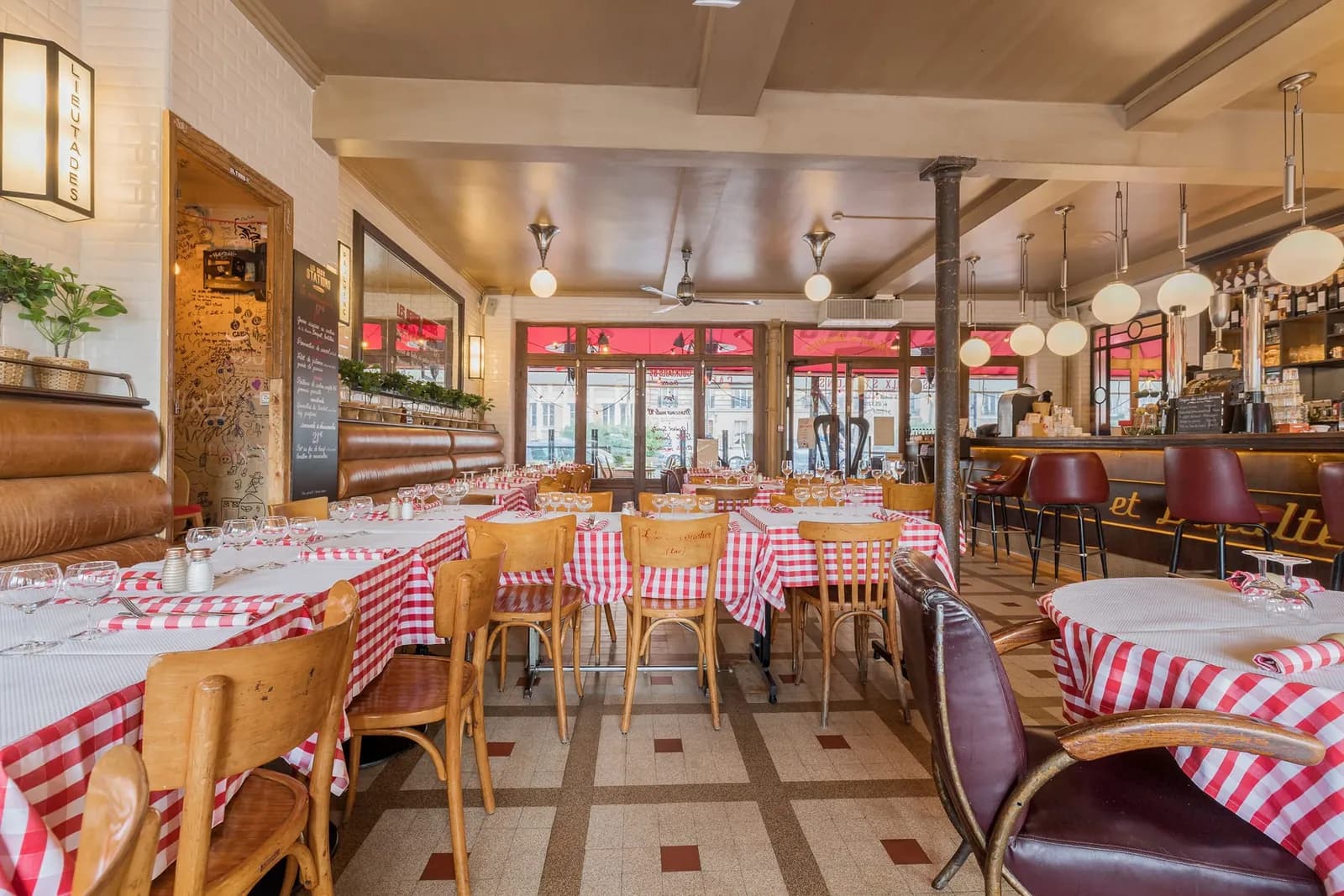
Each region has its own cuisine, and a corporate programme can use it as a theme. Lyon is known for its bouchons and its tradition of precise, generous cooking. Bordeaux offers dinners among the vines and the grands crus. Champagne invites tastings in the cellars. Provence and the Riviera favour lighter, Mediterranean menus. Alsace pairs its wines with a tradition of hearty regional dishes, and Normandy and Brittany offer seafood and dairy specialities.
Our restaurant database covers sixteen regions and is organised by city, so that you can see which tables are close to your hotel and your activities. We indicate group capacity where it is known and leave the field empty where it is not, rather than estimating.
In a multi-city programme, we vary the style of the meals: a bistro, a château, a winemaker's table and one evening with a chef, so that each stage has its own character and the group does not experience the same dinner twice.
How we organise group dining
We start from your brief: number of guests, dates, budget range per person, the profile of the group and the role of the meal in the programme. We then propose two or three options for each key meal, with menus, estimated costs and practical details.
Once the options are chosen, we contact the establishments, confirm availability, finalise the menus and agree the conditions, including the deadlines for the final number of guests and for dietary information. The programme document gives each guest and each coordinator the address, the time and the arrangements for arrival.
On the evening, a member of our team is present to welcome the group, to check the service against the agreed schedule and to settle any detail with the manager. Speeches, toasts and presentations are timed in advance with the restaurant so that the courses are served at the right temperature.
Afterwards we collect your comments, which help us choose even better for the next programme.