What MICE means in the French context
MICE stands for meetings, incentives, conventions and exhibitions. In France the sector is mature: the country has a dense network of congress centres, meeting hotels, historic venues and experienced suppliers, and corporate events are an established part of the tourism economy.
The four activities have different requirements. A meeting needs functional rooms and quiet surroundings. An incentive rewards participants and calls for a memorable, personal experience. A convention gathers many people for plenary sessions, workshops and networking. An exhibition requires floor space, technical services and a visitor flow.
Many programmes combine several of these. A sales convention may include an incentive evening; an executive meeting may end with a gala dinner in a château. We design the sequence so that each element supports the next, and so that the logistics remain simple.
Choosing the right region for the objective
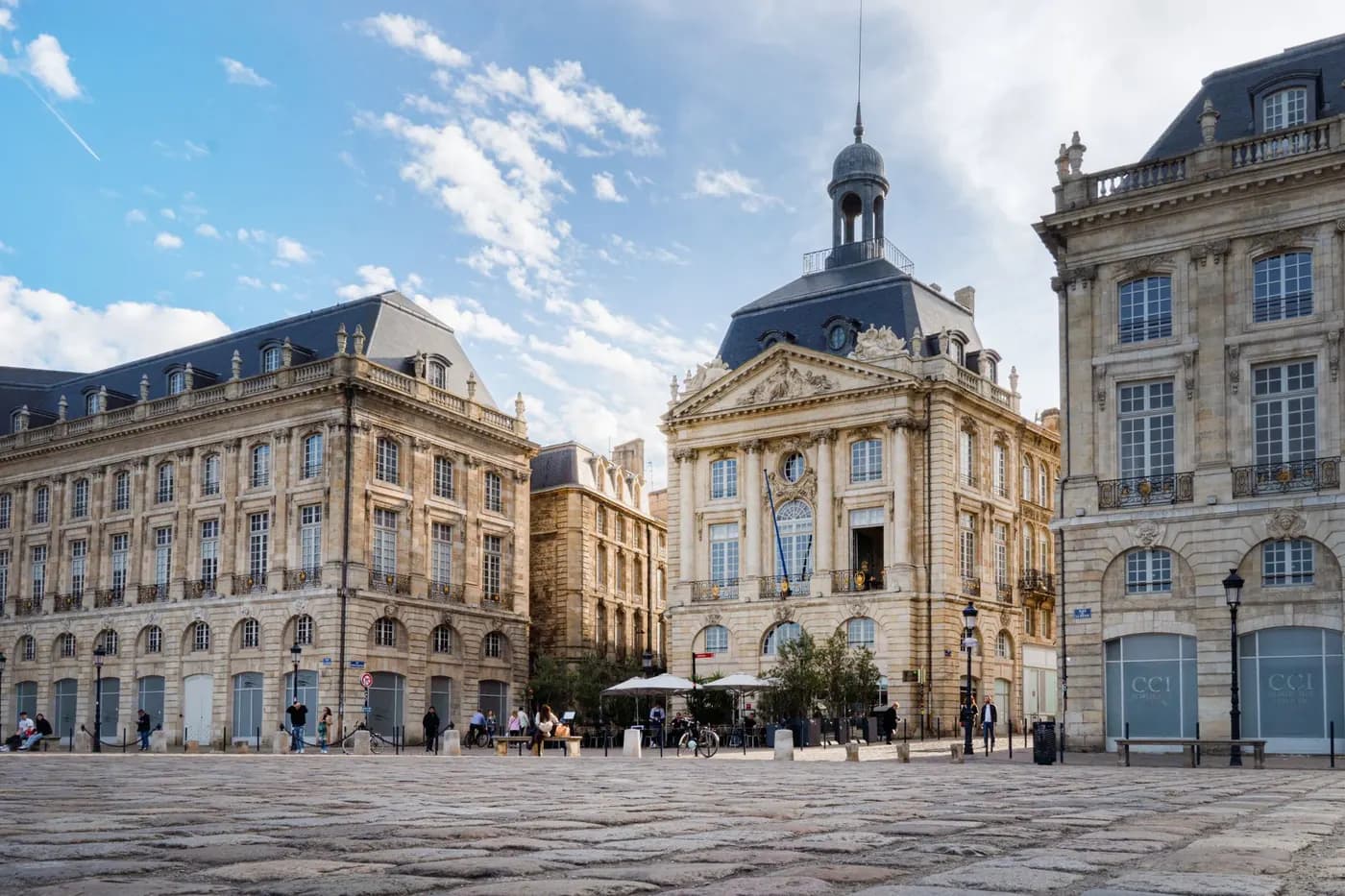
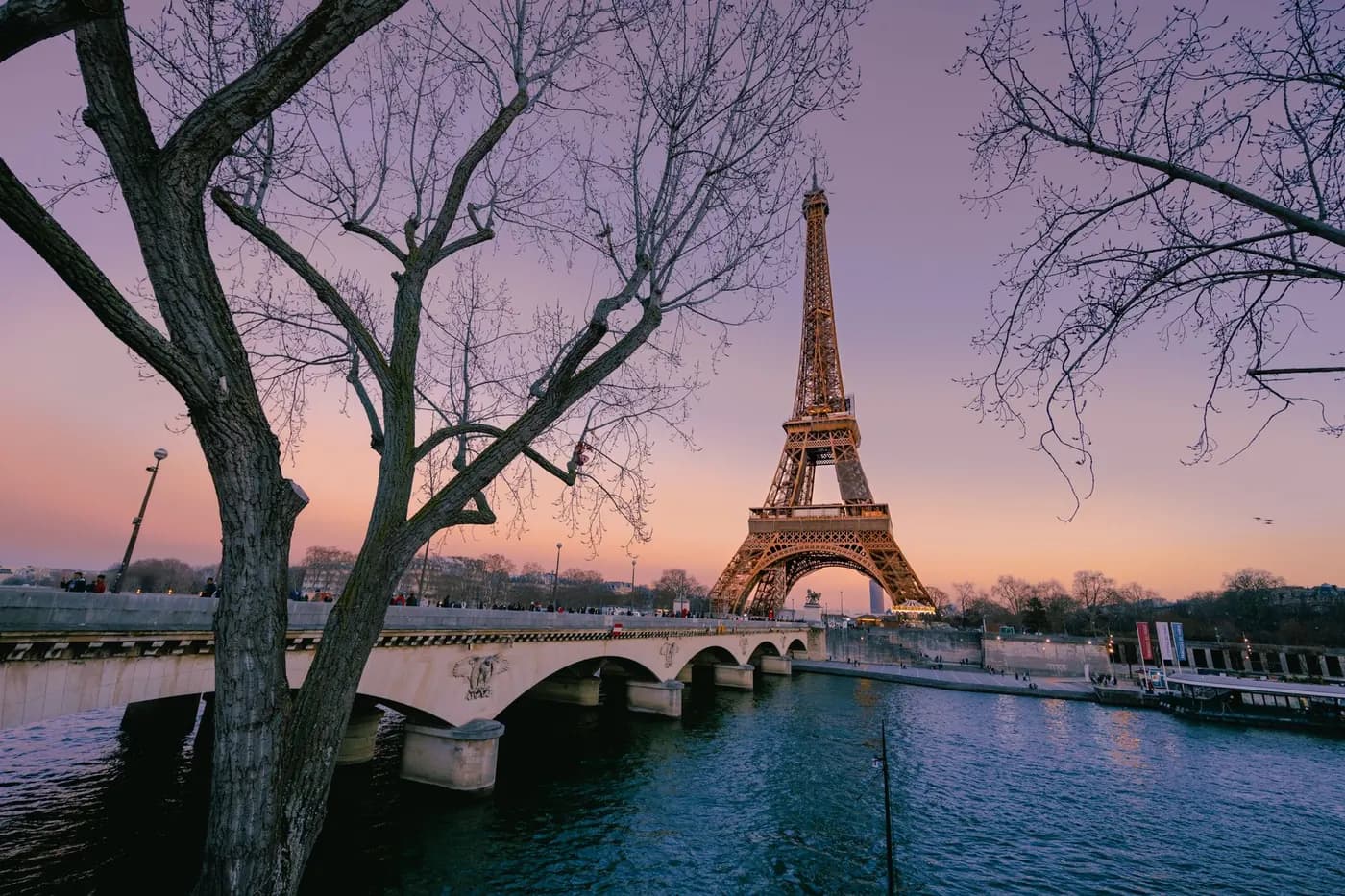
Region and format should be chosen together. Paris and the Île-de-France offer the widest choice of hotels and convention centres, with excellent international air links. Lyon, Bordeaux, Strasbourg and Lille are efficient bases for conferences, supported by high-speed rail and business hotels.
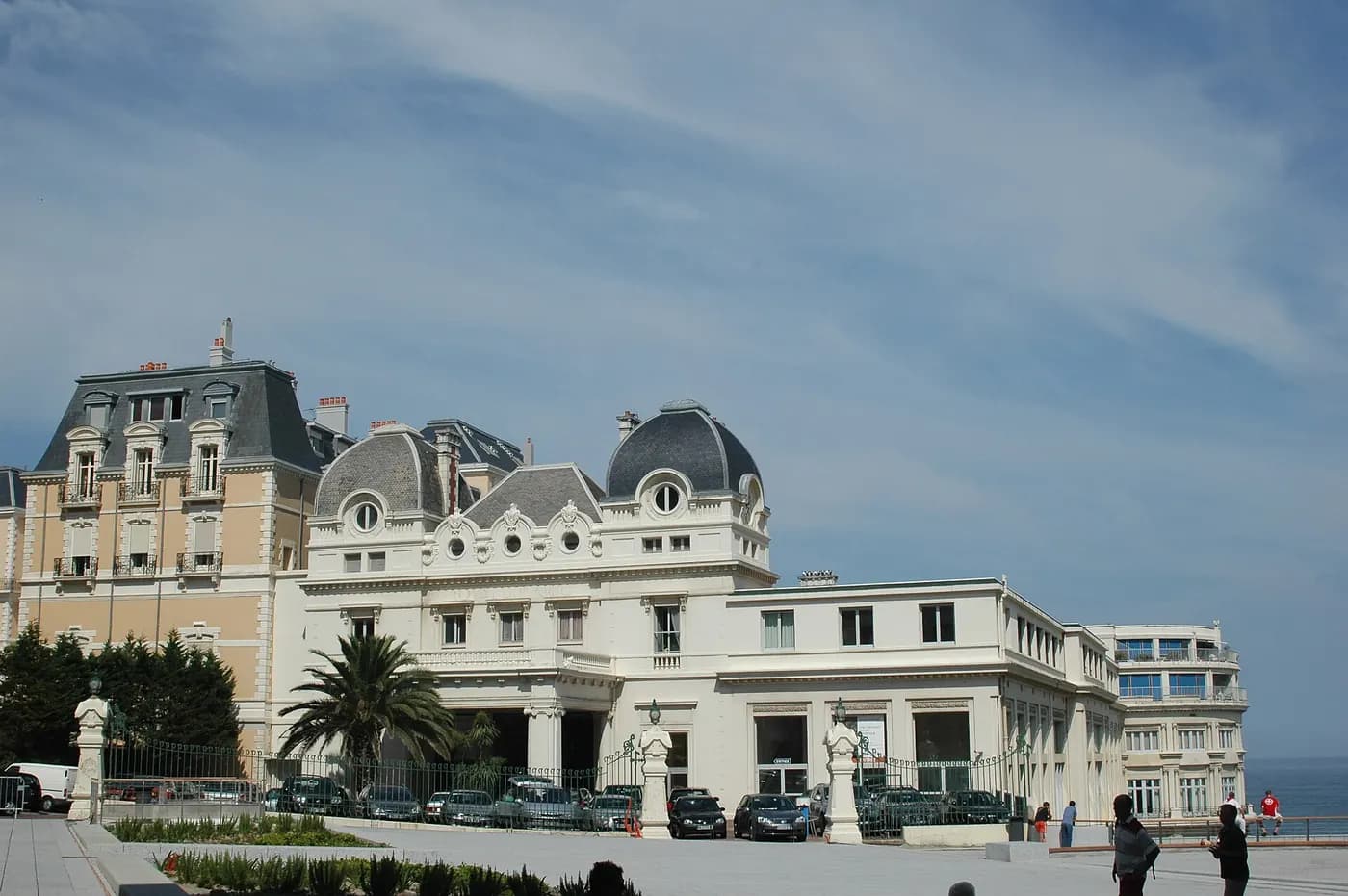
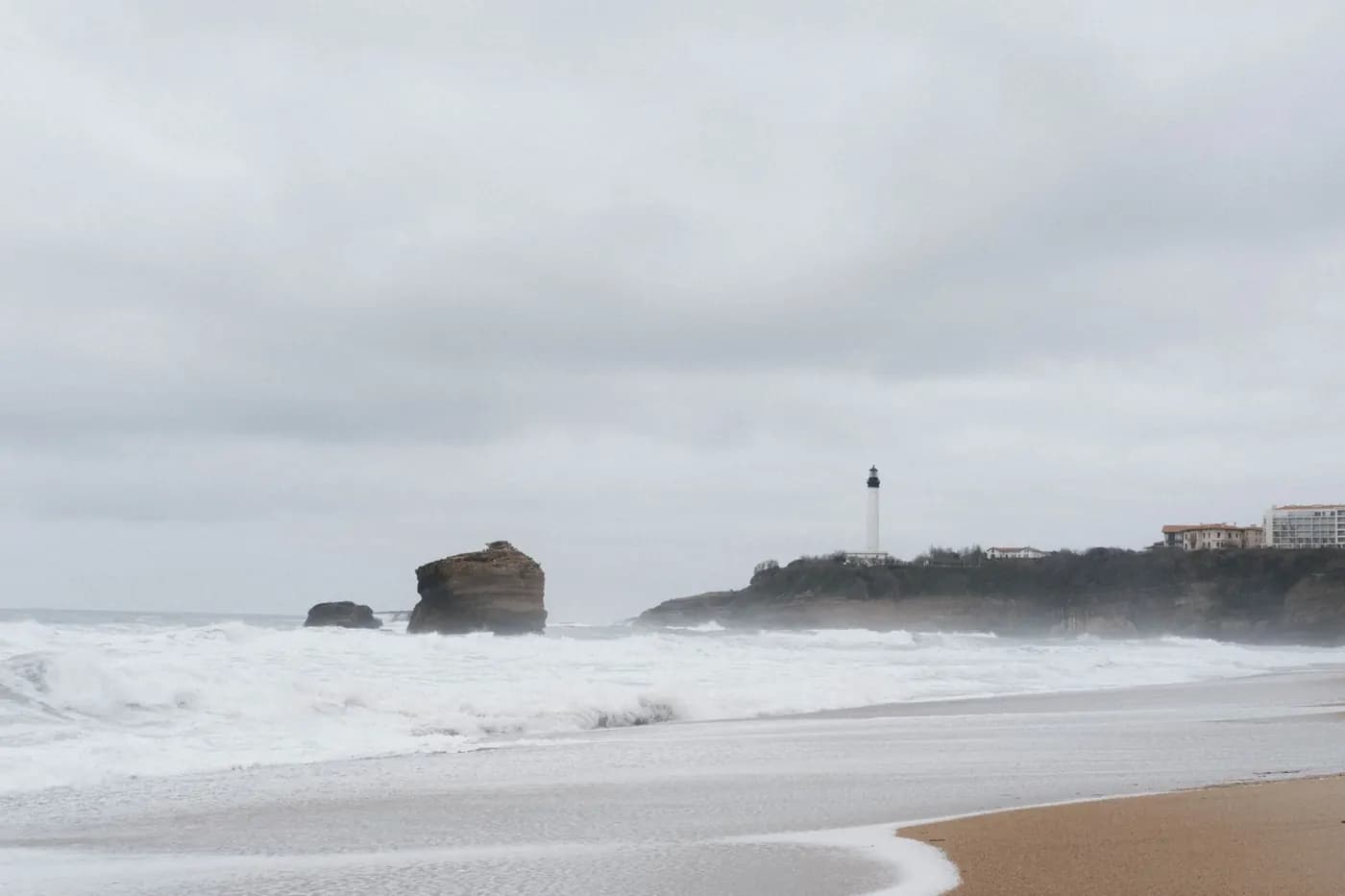
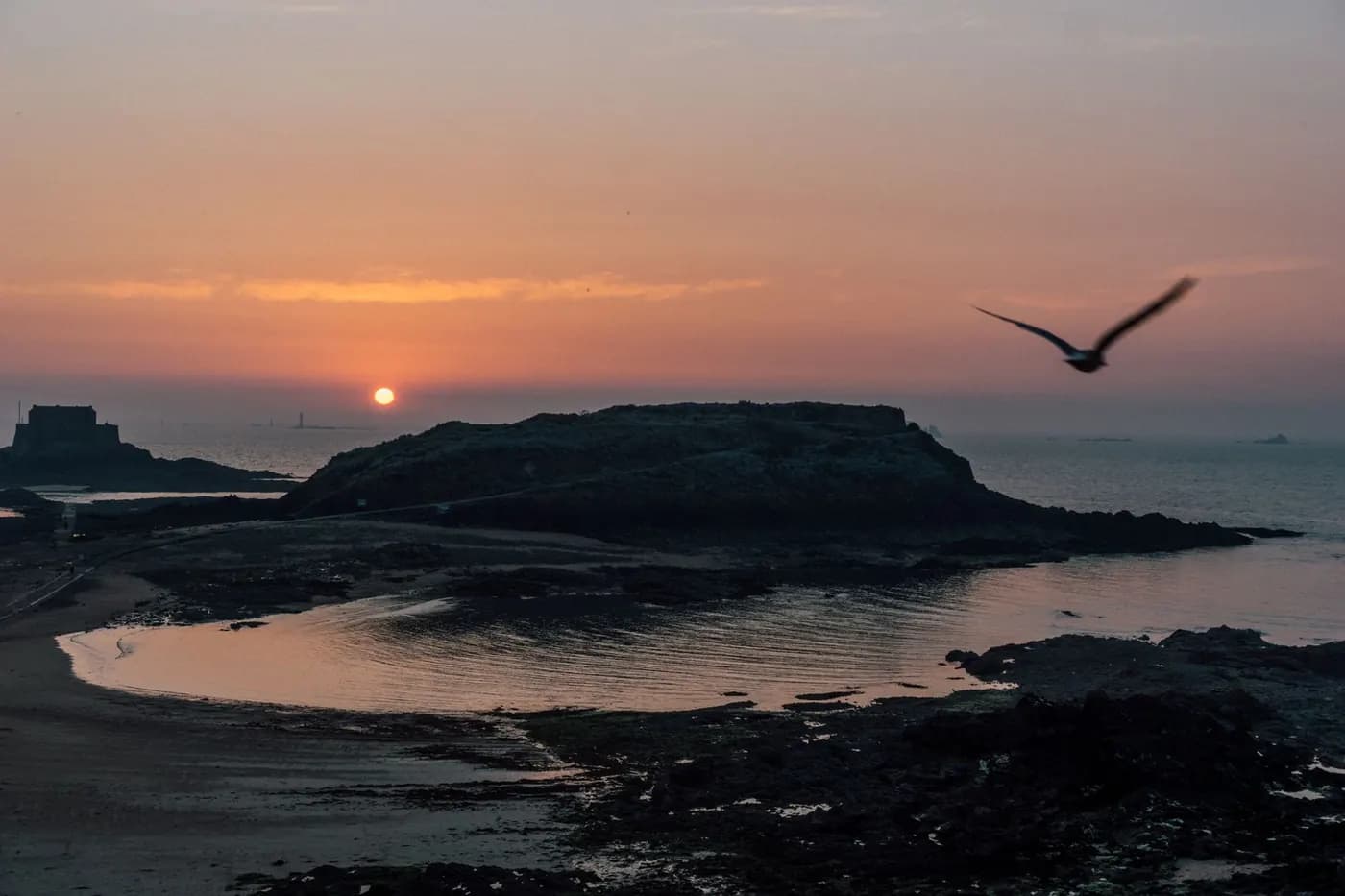
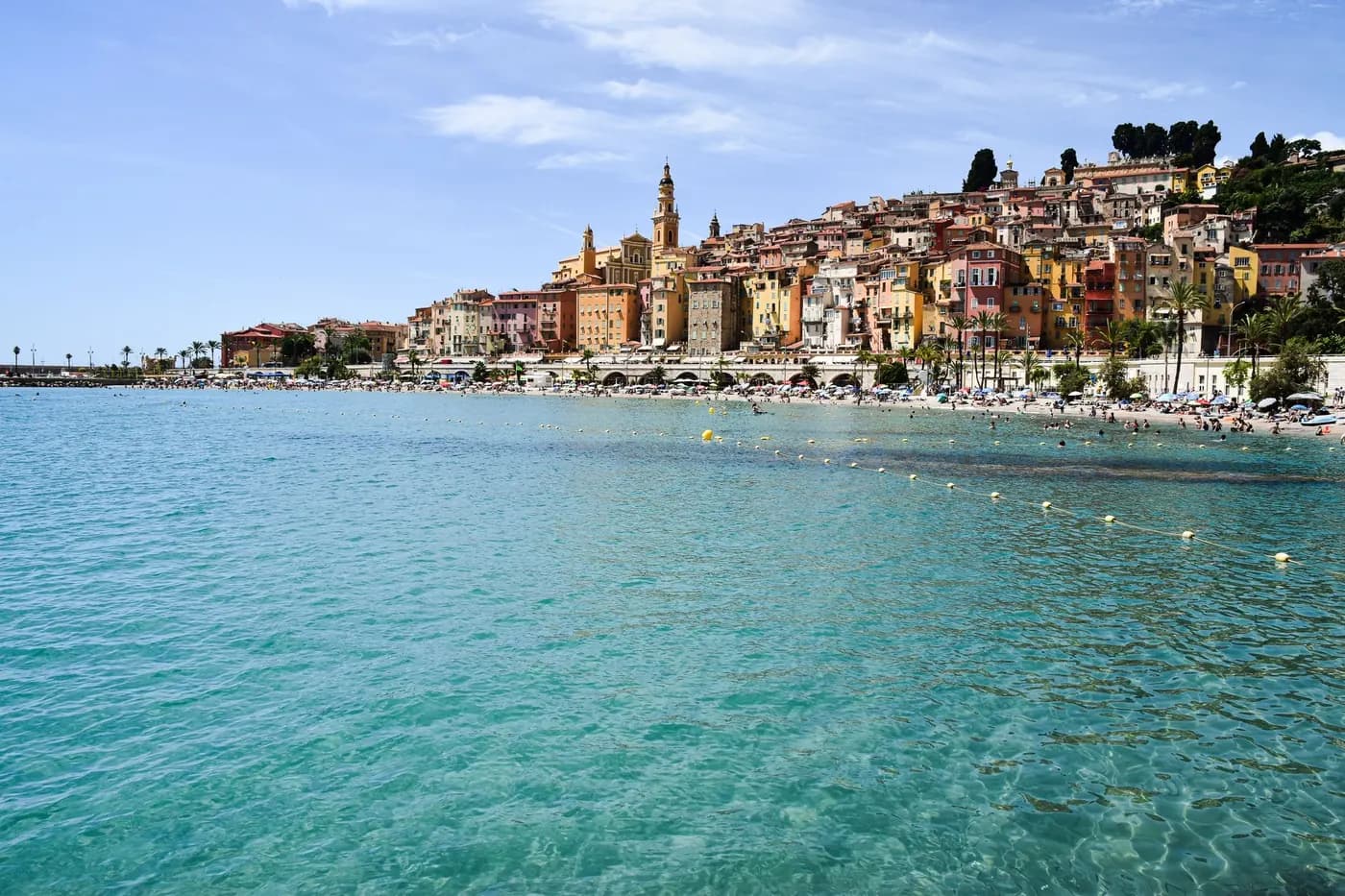
The French Riviera combines the Palais des Festivals in Cannes with a leisure setting that works well for incentives. Champagne, Bordeaux, Burgundy-adjacent areas and the Loire Valley suit programmes built around wine and heritage. The Alps and Courchevel serve winter incentives, and Brittany, Normandy and the Basque Coast suit groups looking for a coastal atmosphere.
We consider group size, season, travel time from the main airports and budget before recommending a region, and we explain the trade-offs so that the decision is yours.
Hotels, venues and restaurants selected for groups
A MICE programme depends on suppliers that can handle groups. We shortlist hotels with suitable meeting rooms and enough rooms for the group, and we distinguish business hotels, conference hotels, MICE-specialised properties, luxury hotels, châteaux and resorts.
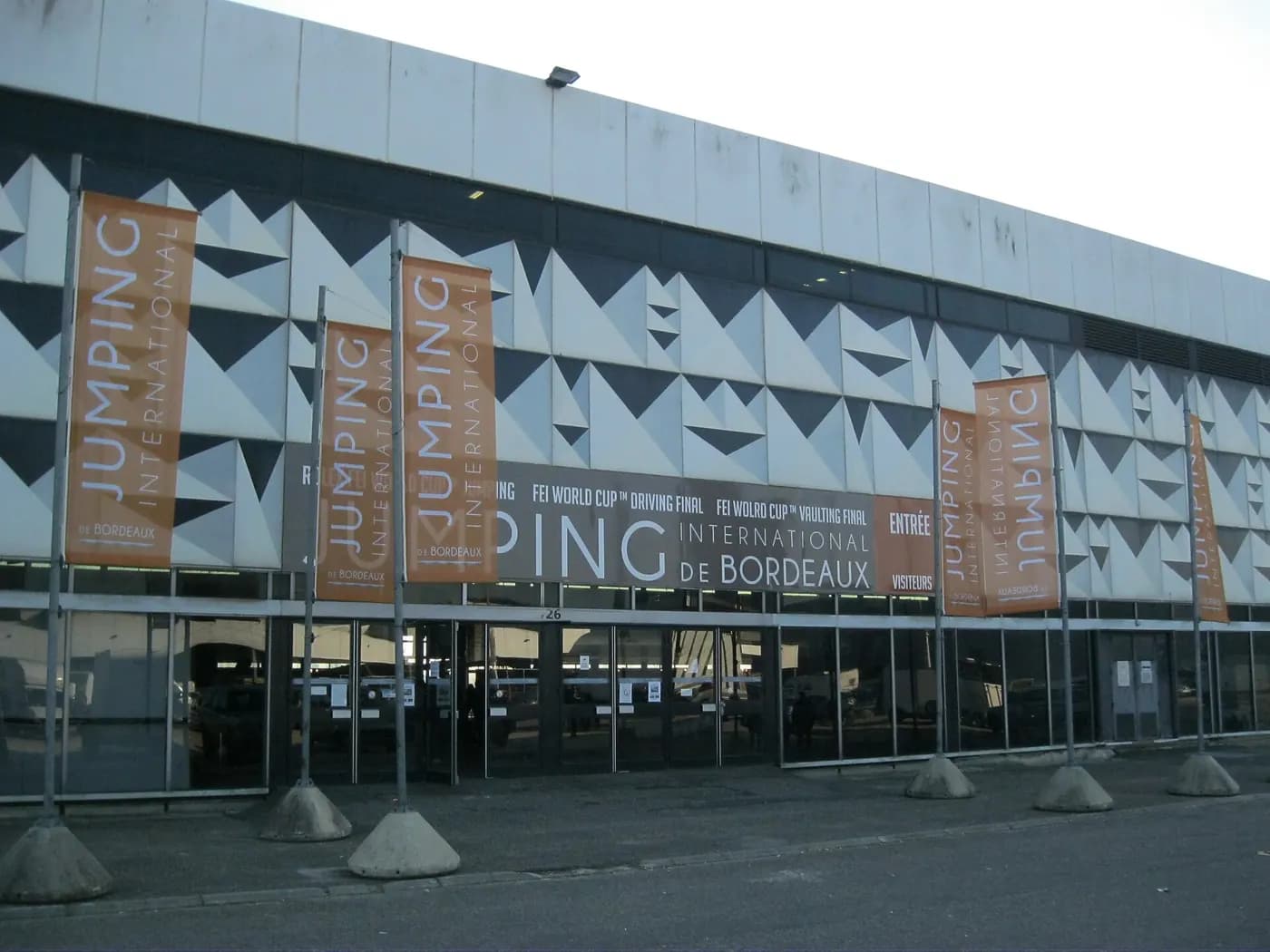
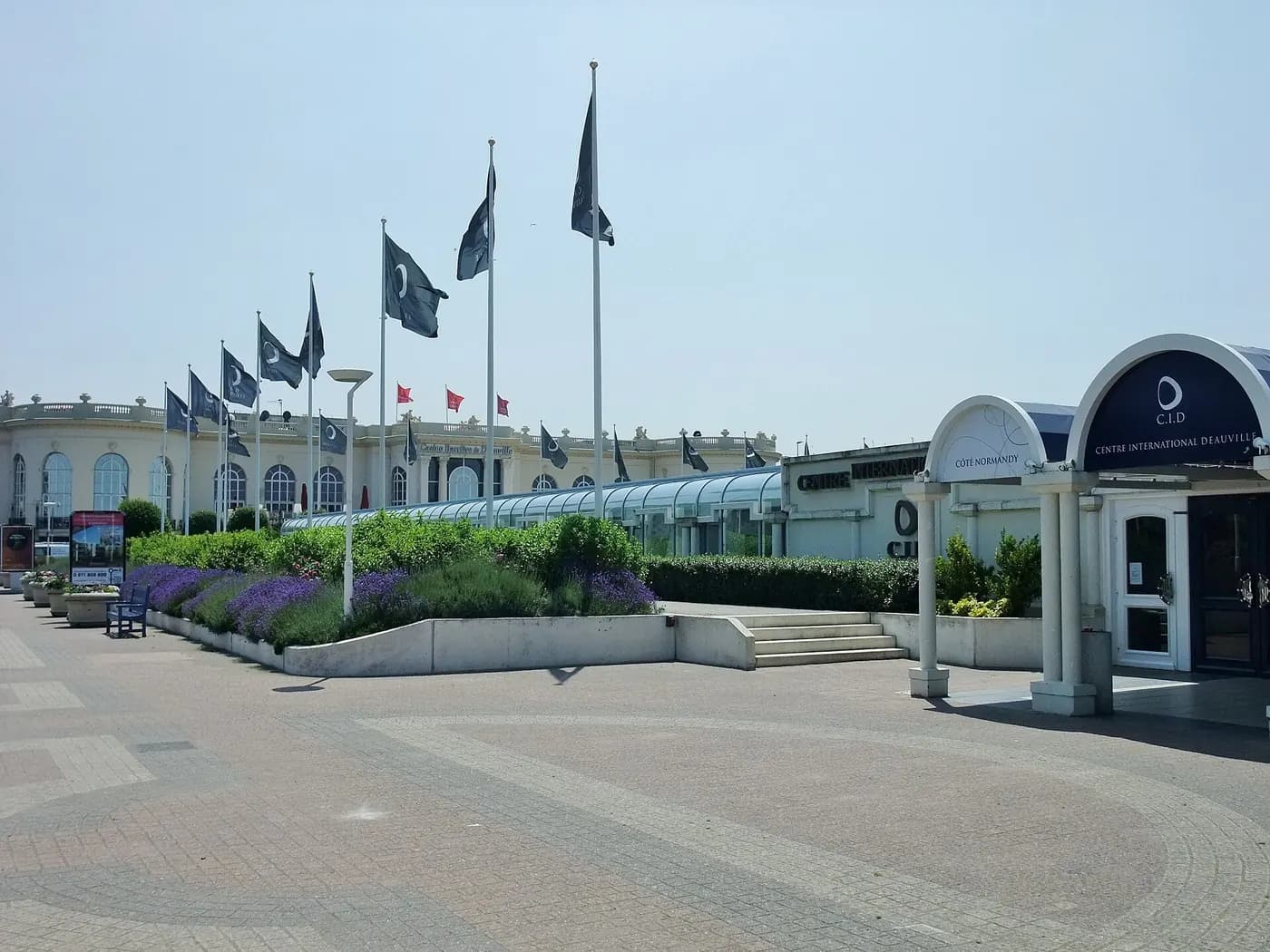
For larger events, we work with convention centres and exhibition halls in Paris, Cannes, Nice, Lyon, Bordeaux, Strasbourg, Lille and other cities. For smaller or more distinctive occasions, we propose private estates, museums, vineyards and other sites that can be hired.
Restaurants are chosen for their ability to serve a group at consistent quality, with private rooms or full privatisation when available. Figures such as capacity and room count are always verified with the venue before we include them in a proposal, and we mark them as indicative until confirmed.
From 30 to 1,000 participants
Scale changes the method. A board meeting of 30 people calls for discretion, a boutique hotel or château, and a carefully paced agenda. A seminar of 100 requires a hotel with a main room and breakouts, plus a coherent social programme.
A convention of several hundred, and up to 1,000 participants, demands a different level of planning: hotel blocks across several properties, shuttle systems, accreditation, audiovisual production, security, and a dedicated team on site. For such events, lead times of six to twelve months are realistic, and we start the process early to secure dates and rates.
Whatever the size, the project manager remains the same from first brief to final report, and a written operations plan is shared with you before the event.
A transparent method
Every MICE project follows a clear sequence: brief, recommendation, proposal, confirmation, operational preparation, on-site delivery and debrief. At each step you know what has been decided, what remains open and what it costs.
Budgets are given as indicative ranges, with the tax basis stated, until suppliers have confirmed their rates. We explain what drives the cost, such as season, day of the week, hotel category, venue hire and transport, and we propose adjustments if the target needs to be lowered.
We also document contingency plans: alternative venues, replacement transport and weather options. If a strike or an unforeseen closure affects the programme, the team already knows the next step. This preparation is what allows a complex event to look simple to those who attend it.