What makes a good incentive
An incentive works when participants feel recognised. That depends less on spending than on relevance: the setting, the people they travel with and the moments that feel exclusive. A private visit of a museum, a dinner in a wine estate or a table in a restaurant that is normally difficult to book can carry more value than a larger but generic programme.
The profile of the group matters. A top-performing sales team may want an active, social stay; a group of senior partners may prefer calm, privacy and gastronomy. Mixed groups, with different ages and levels of mobility, need a rhythm that offers choices without dividing the group.
We start from the reason for the reward and the message the company wishes to convey, then select destinations and experiences that match, avoiding standard itineraries that participants may already have seen.
Destinations for incentive travel in France
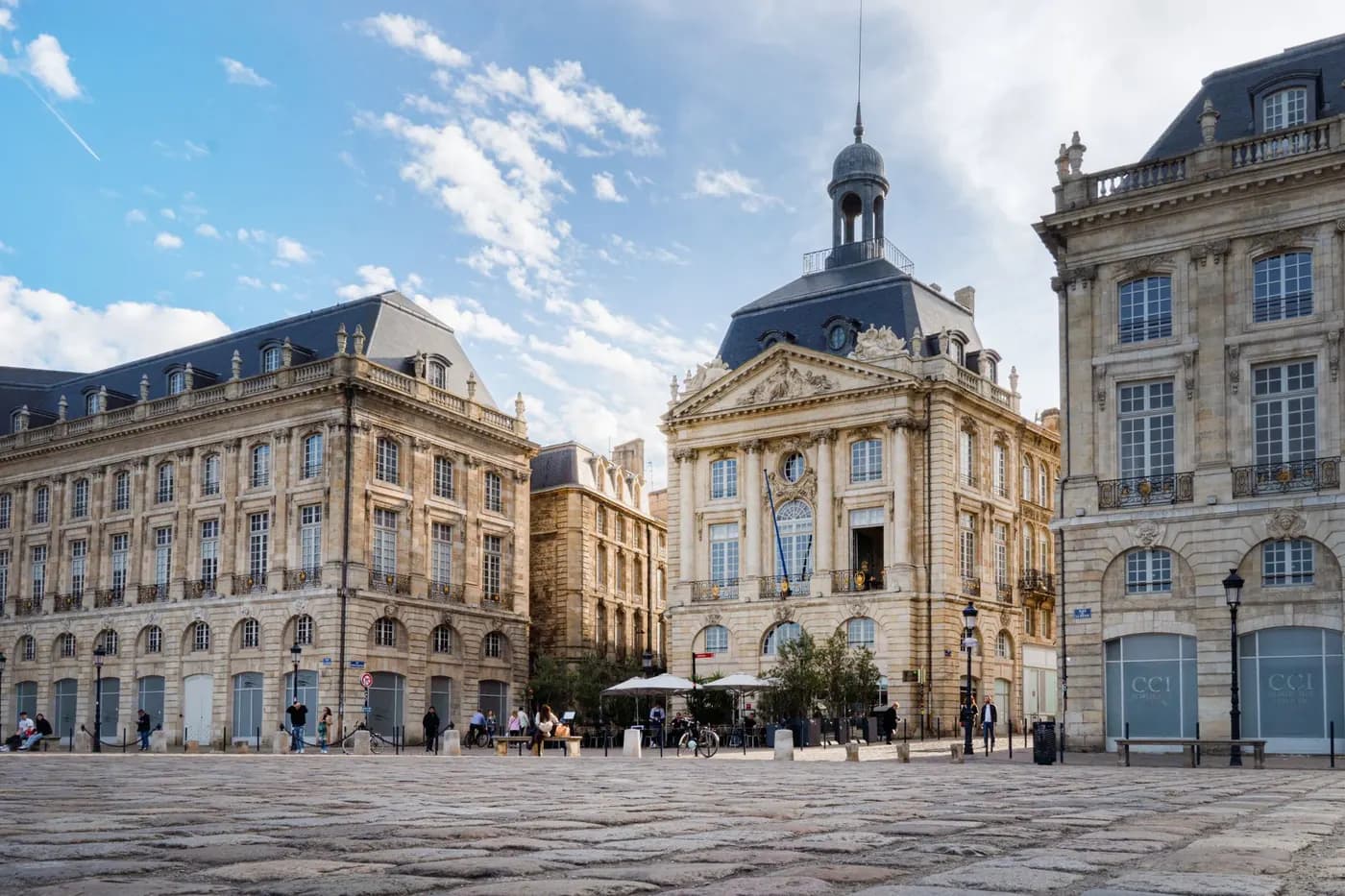
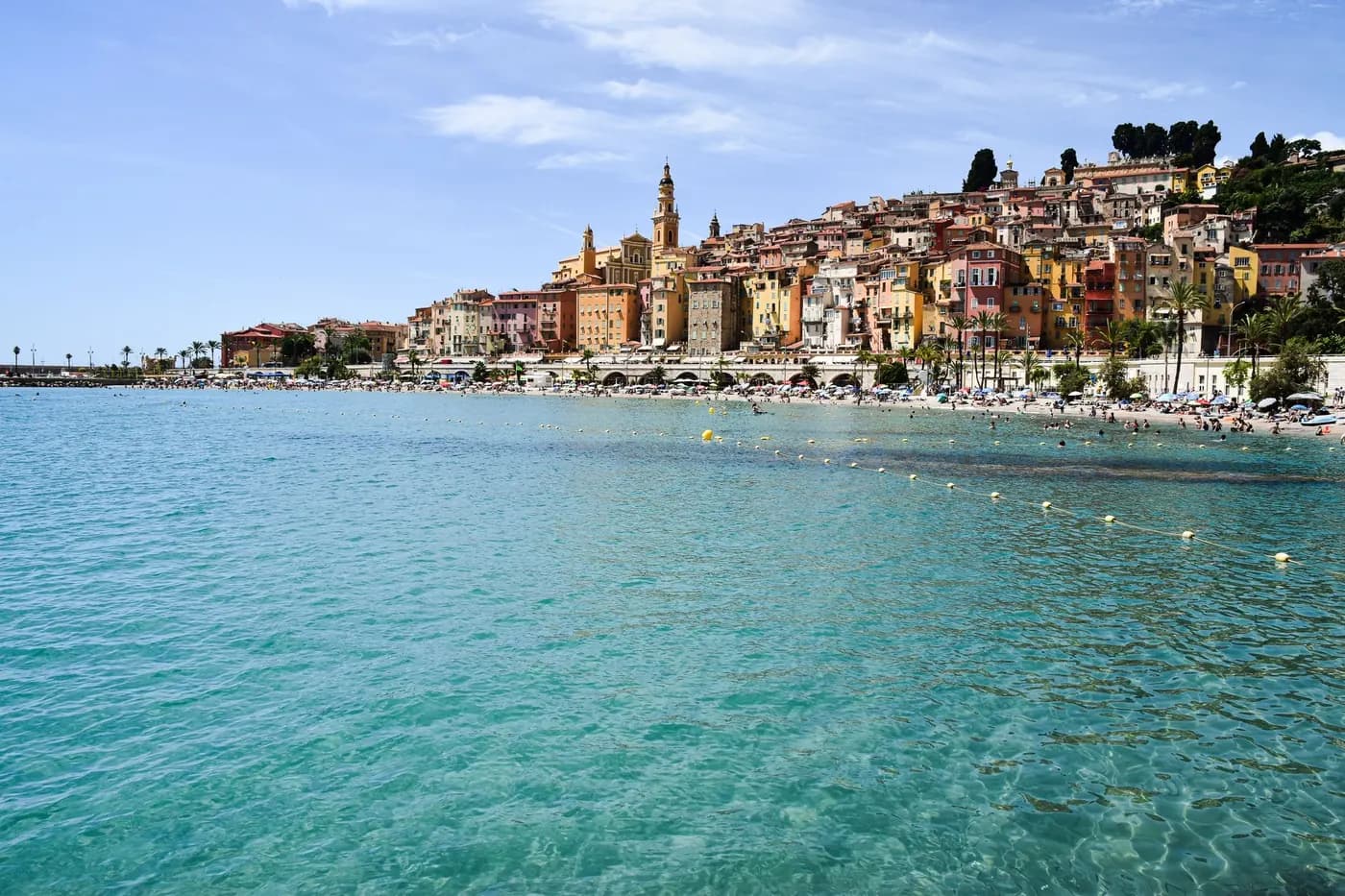
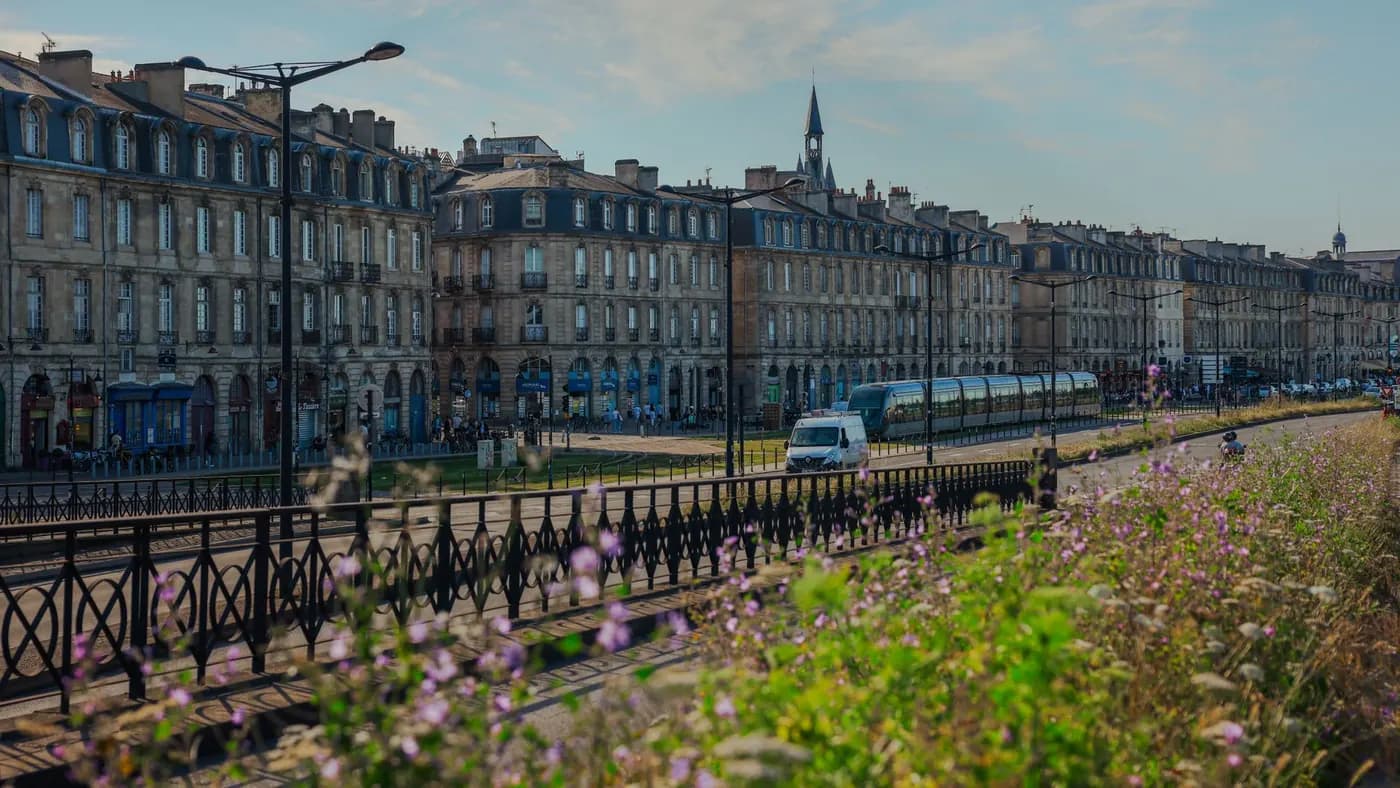
The French Riviera combines sea, light and a social atmosphere, with yachts, coastal villages and the glamour of Cannes, Nice and Saint-Tropez. Bordeaux and its vineyards, including Saint-Émilion and the Médoc, suit groups interested in wine, architecture and fine dining. Champagne offers cellars, private tastings and short transfers from Paris.
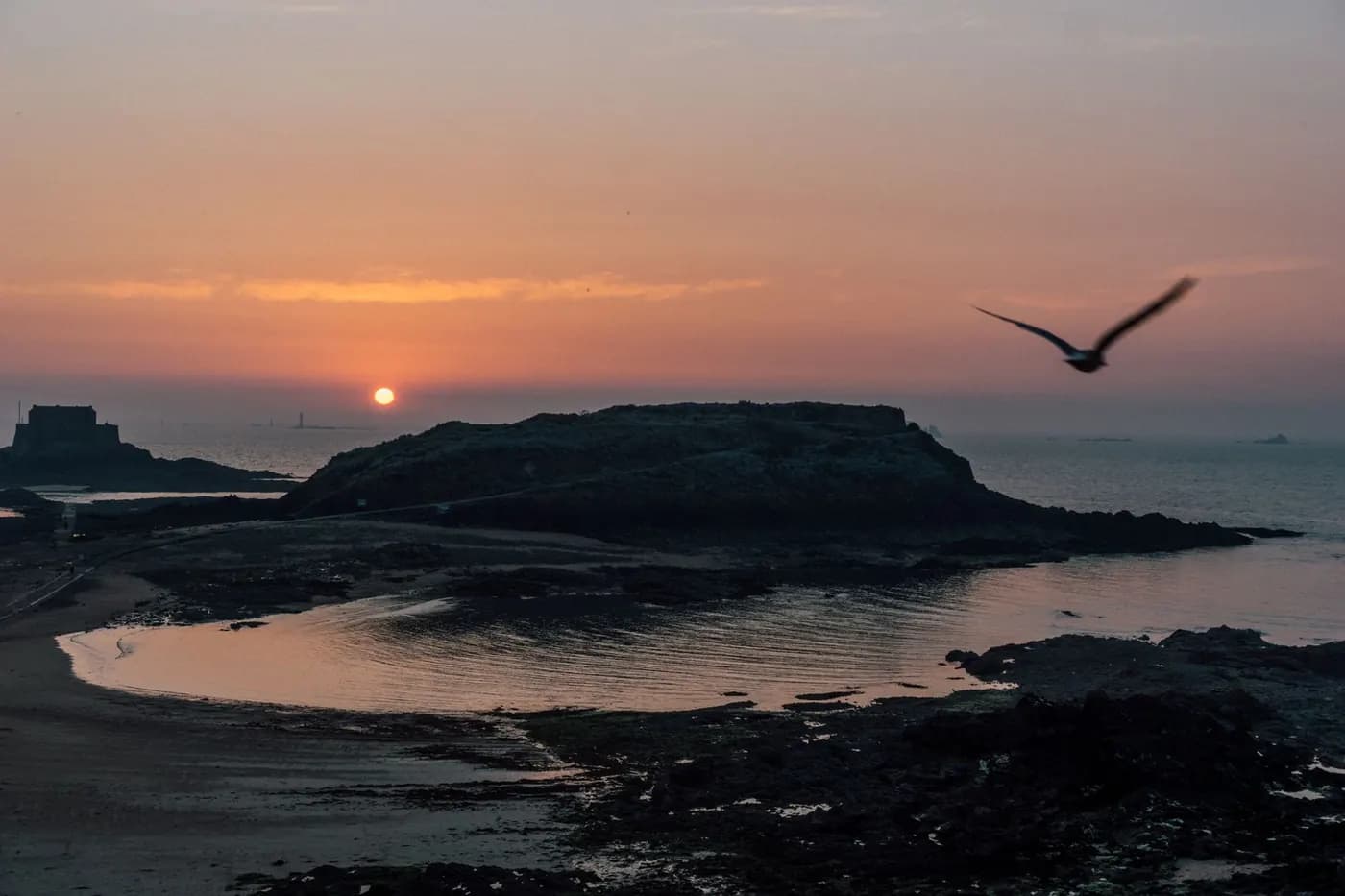
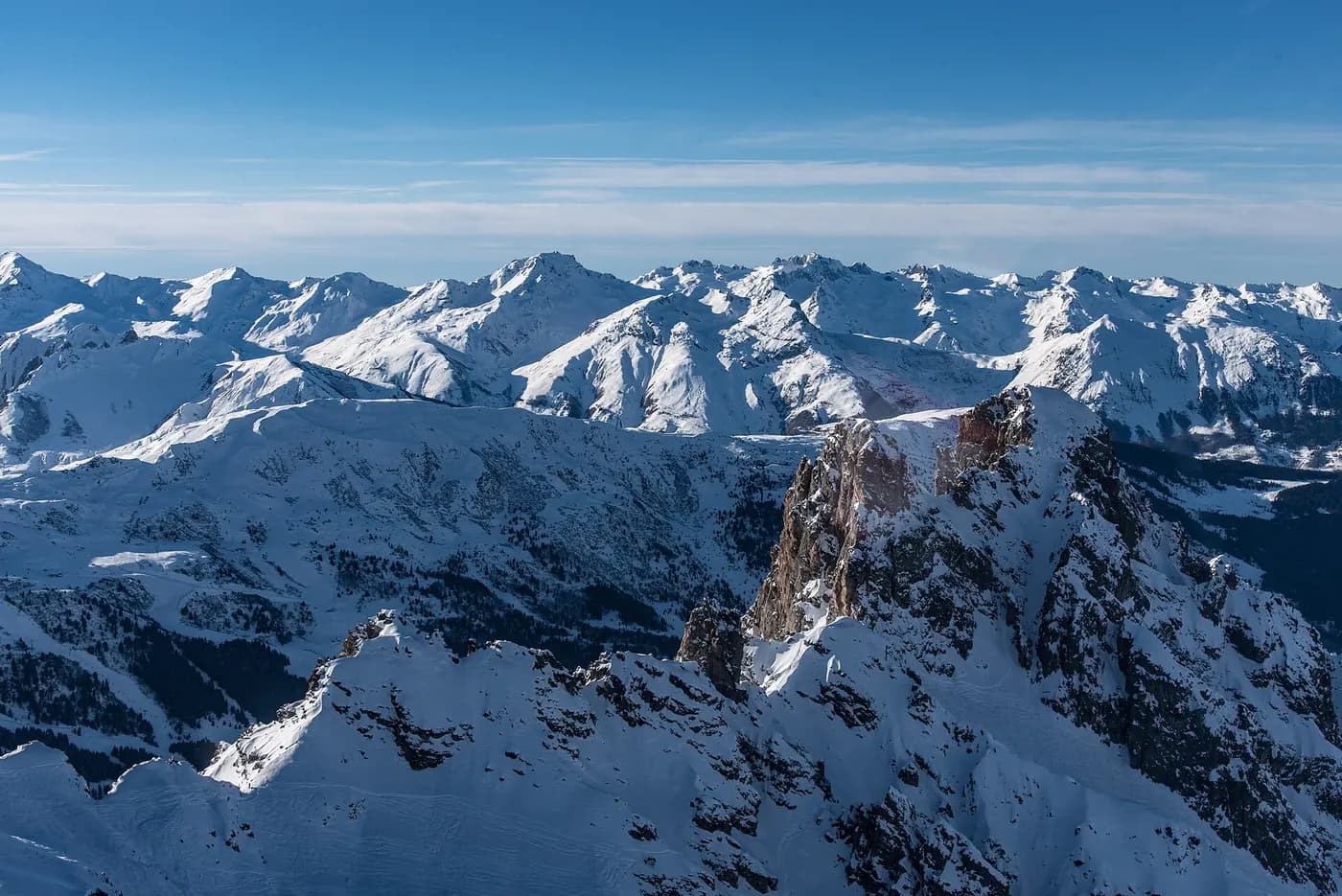
In Provence, markets, lavender landscapes and the Luberon create a more rural and relaxed mood. The Alps, from Megève to Courchevel, provide winter incentives with skiing, mountain restaurants and well-equipped hotels. Normandy, Brittany and the Basque Coast offer a seaside setting with strong regional gastronomy.
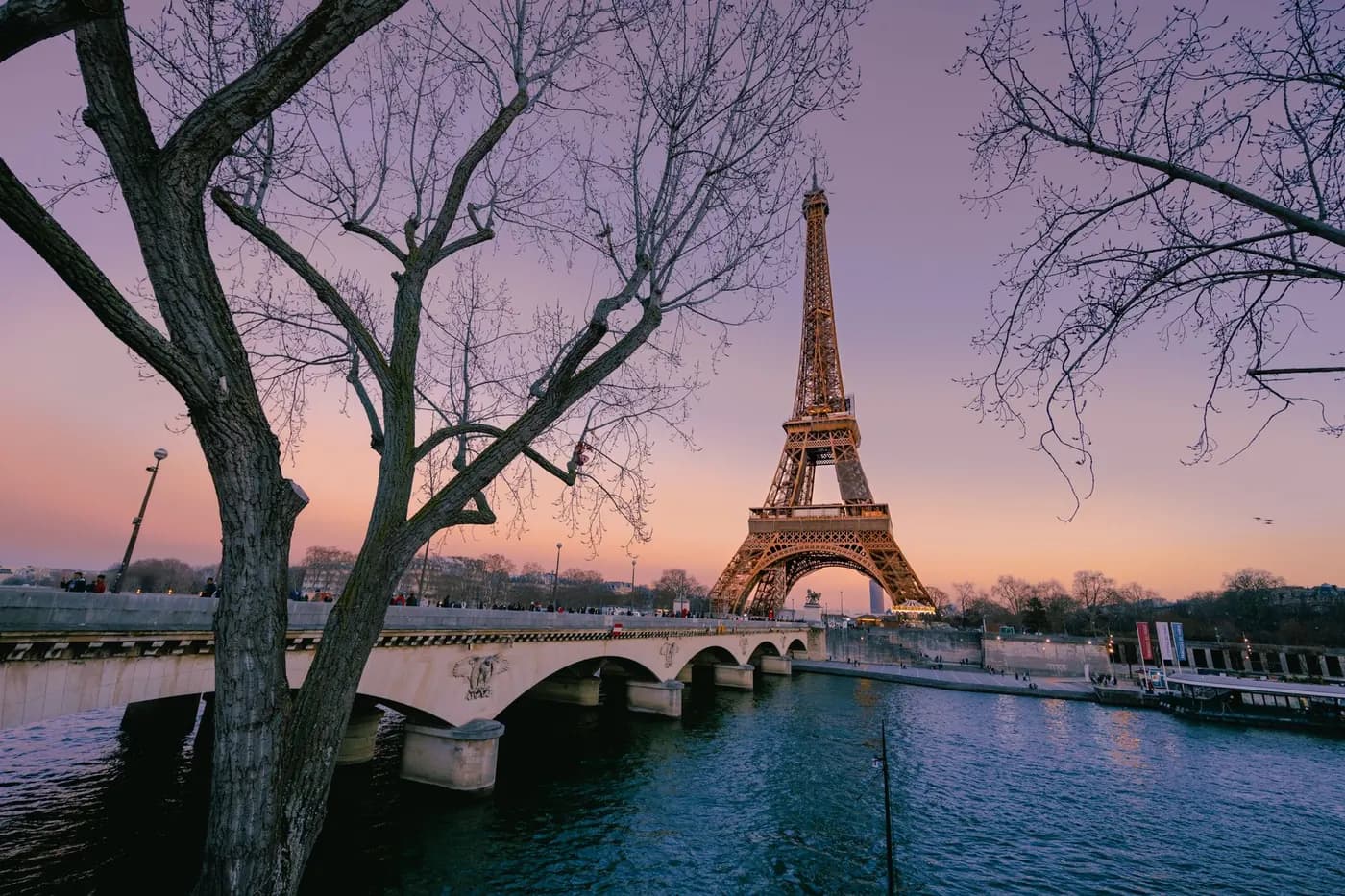
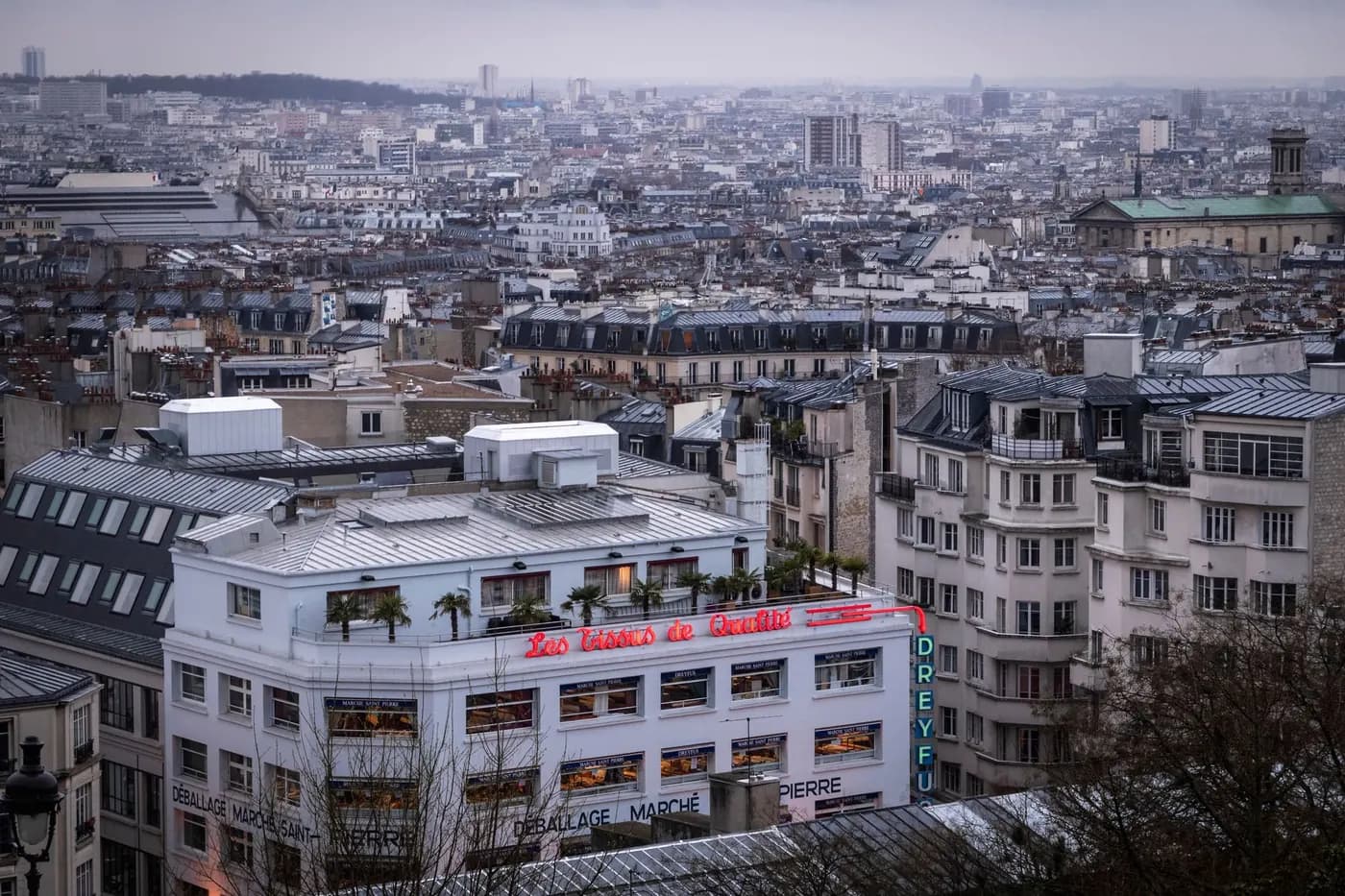
Paris remains the reference for culture and style, with private museum visits, couture-related experiences and rooftop receptions. We recommend a destination according to season, flight access and the profile of the group.
Exclusive access and private venues
What distinguishes an incentive from a leisure trip is access. In France, many sites can be hired after hours or for private use: châteaux, museums, wine estates, gardens, theatres and historic houses. Requests must be made early, and conditions vary by owner and by season.
We maintain relationships with owners and operators and negotiate access on behalf of the group. We are also open about limits: some monuments cannot be privatised, others accept only small groups, and fees may be significant. We never announce availability that has not been confirmed.
When privatisation is not possible, we look for alternatives that keep a feeling of privacy: an early opening, a guided visit with a specialist or a reception in an adjacent room. The programme remains credible and the promise made to participants is respected.
Gastronomy, wine and experiences
French gastronomy is a central component of many incentives, and it works best when it is specific. A lunch with a winemaker, a market visit followed by a cooking workshop, a private cellar dinner or a tasting guided by a sommelier tells participants something about the place they are visiting.
We select restaurants that can serve groups consistently, with private rooms when needed, and we check dietary requirements and cultural preferences in advance. Michelin-starred restaurants are possible for smaller groups; availability is limited and booking must be made early, and we do not announce a distinction or a privatisation that has not been verified.
Activities beyond the table are chosen to suit the group: sailing, cycling in vineyards, helicopter transfers, spa afternoons, golf or guided cultural walks. Each has a clear duration and capacity, and a weather alternative.
Budgets, timing and logistics
Incentive budgets vary widely according to destination, hotel category, season, number of nights and the proportion of private experiences. We therefore give indicative ranges per person, stating whether VAT is included, and refine them once the brief is clear.
Outside peak weeks, you can often obtain better rates and more flexibility. Spring and autumn are favoured for most regions; summer on the coast and winter in the Alps are high season and need earlier booking, ideally six to nine months in advance.
Logistics are managed by one team: airport welcome, transfers, luggage handling, rooming, activity scheduling and a coordinator on site. For international groups, we adapt communication to the languages of the participants and prepare a short digital guide with the programme and practical information.