How to read a trend
Trend articles in the meetings industry often promise certainty that nobody has. This one does not. It reflects what we observe in briefs, in conversations with planners and in the questions that hotels and venues ask us, and it avoids statistics that we cannot source. Where a point is an inference rather than a fact, we say so.
For 2026 and 2027, MICE trends in France can be grouped into five themes. None of them is a revolution. Together they describe a market that is becoming more deliberate: buyers want fewer but better programmes, with clearer justification for the choice of place and format.
Regions beyond Paris and the Riviera
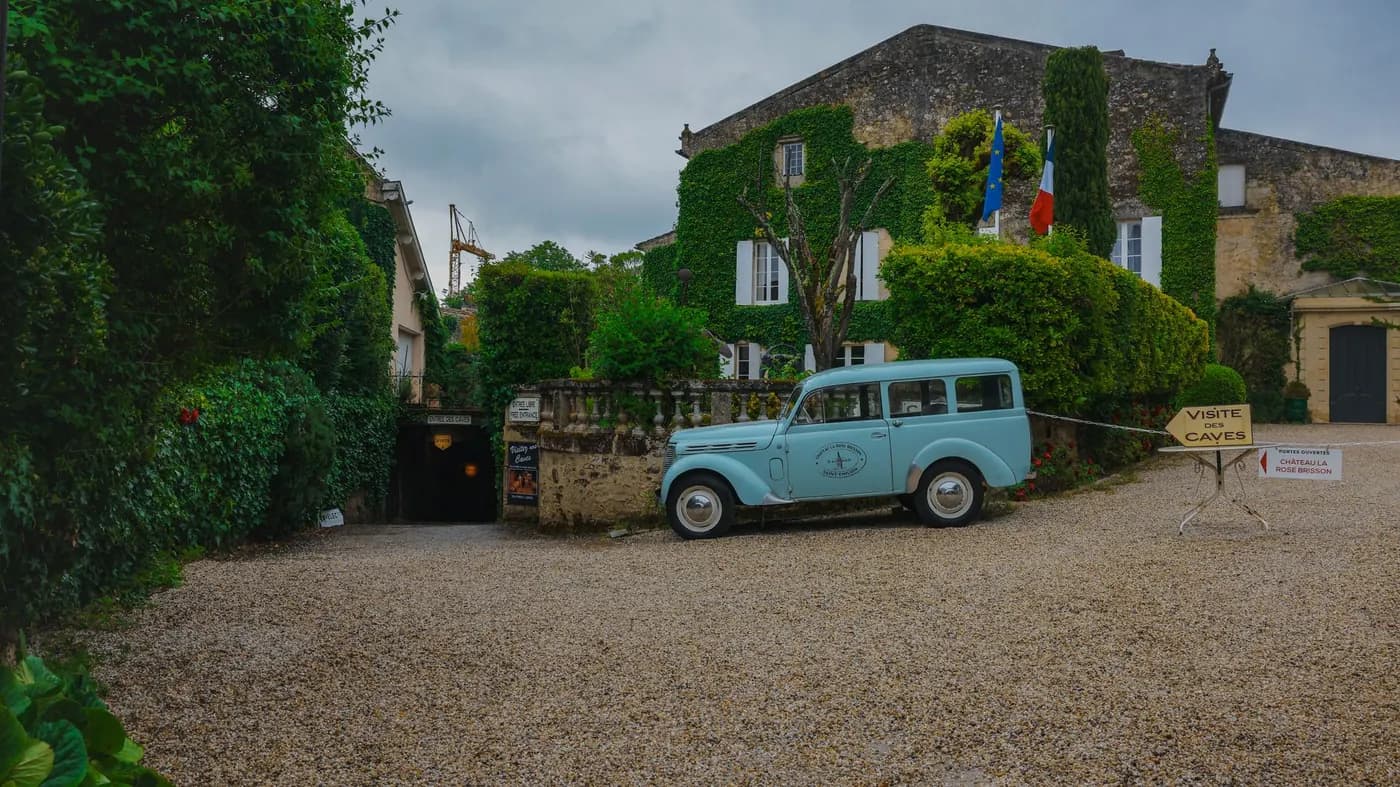
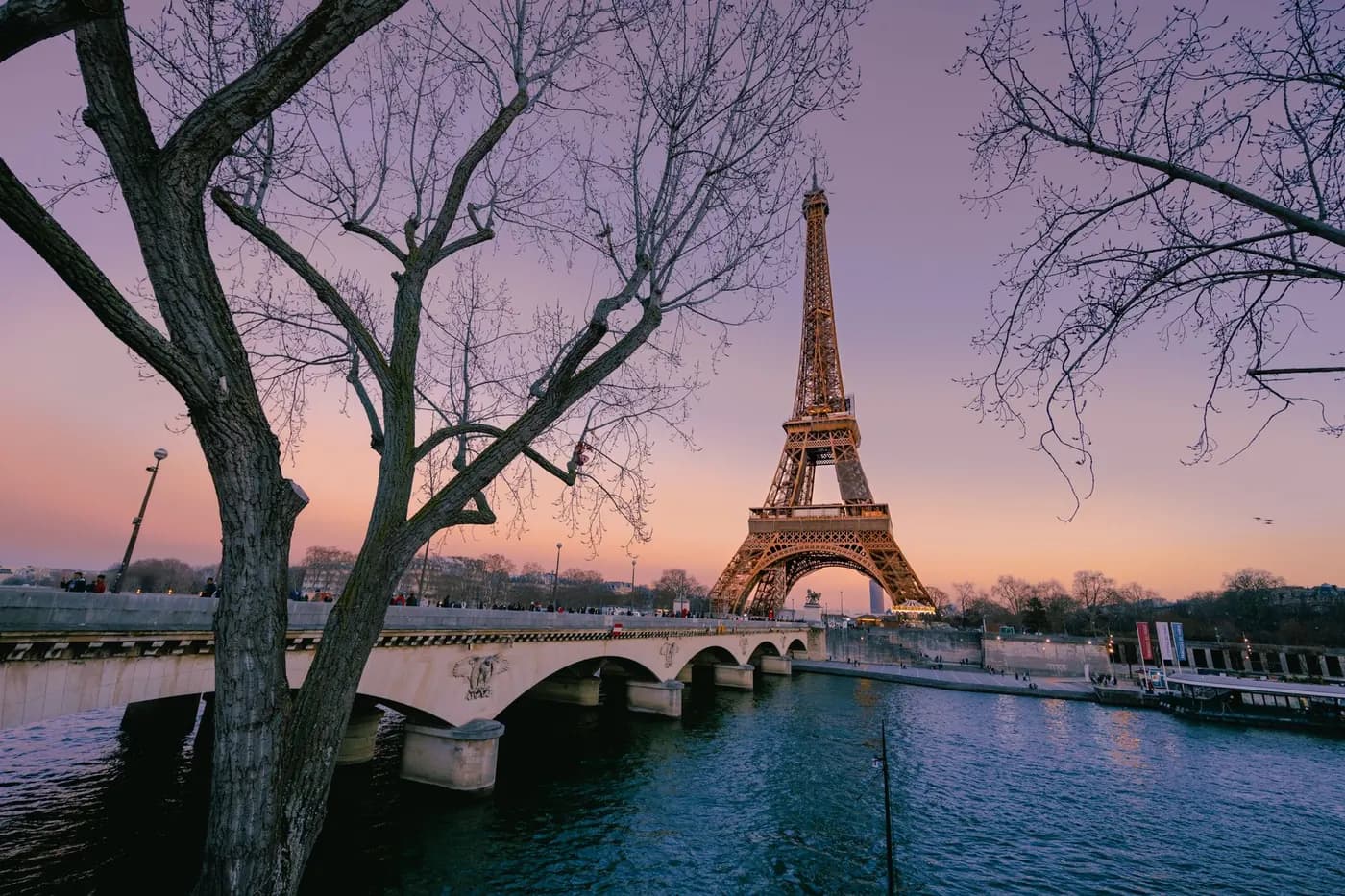
Paris and the French Riviera remain the best-known destinations, and they are not going away. What we notice is a wider range of regional requests: Lyon, Bordeaux, Champagne, the Loire, the Basque coast and the Alps are discussed more often as primary destinations rather than as optional extensions. The reasons are practical. Rail links shorten the journey, hotels in regional cities are often easier to book for a full group, and the programme can offer something distinctive, such as a wine estate, a château or a lake, without the congestion of the most visited sites.
For international buyers, this broadens the question. The decision is no longer only whether to come to France, but which part of it fits the objective of the meeting. A regional destination can be a better answer for a team that wishes to concentrate, while a major city remains better for a large gathering that requires many hotel rooms and an international airport.
Sustainability becomes a procurement question
Buyers have moved from asking whether an event is sustainable to asking what exactly has been done. In many companies, reporting obligations and internal policies mean that the events team must be able to document the transport mode, the catering choices and the venues' environmental practices. The scope of European and French reporting rules continues to evolve, and we do not wish to overstate it, but the direction of travel is clear: concrete answers are expected.
In practice, this favours rail over short-haul flights where the journey is reasonable, local sourcing for menus, and venues that can explain their own measures. It also penalises vague claims. We discuss this topic in more detail in our article on responsible seminars in France.
Purpose, pace and fewer transfers
Programmes are being designed with more attention to rhythm. A schedule that moves a group between three hotels in four days is harder to justify than one that stays in a single place and goes deeper. Planners increasingly ask what each session is for: a decision, an alignment, a reward or a relationship. When the purpose is clear, the programme can be shorter and calmer.
This affects the choice of activities. Rather than a list of spectacular moments, we see interest in formats that involve participants: a cooking workshop, a blending session, a guided walk with a local expert or a project with a local association. These formats tend to produce conversation rather than photographs, which is often the real objective of an incentive.
Digital tools, used with discretion
Digital tools are now part of the ordinary toolkit: online registration, mobile programmes, shared rooming lists and real-time updates to participants. Their value is practical. A participant who receives a clear message about a platform change, in their own language, is a participant who arrives calm. Artificial intelligence is also entering the preparation phase, for drafting itineraries or summarising supplier proposals.
We see these tools as a way to remove administrative friction, not to replace the relationship with the venue, the guide or the chef. The qualities that make an event memorable remain human ones, and the best use of technology is the one that gives the team more time to attend to them.
Contracts, calendars and resilience
Uncertainty about budgets, travel conditions and the calendar has made flexibility a negotiation point. Buyers ask for attrition clauses that reflect real group behaviour, clear cancellation steps and a defined deadline for final rooming lists. On the supplier side, the most requested venues and the best dates are secured early, so decisions made late tend to be more limited.
France also has calendar constraints that deserve attention: public holidays, strike notices and school holidays. We address these in a dedicated article, and the principle is simple. A plan that anticipates disruption, with an alternative route or a flexible transfer window, costs little and protects a great deal.
If one message summarises the coming seasons, it is that the market rewards preparation. A well-briefed programme, a place chosen for a reason and a team that has thought about what might go wrong are the common features of events that succeed.
よくあるご質問
Which French regions are attracting more interest from corporate buyers?
We see regular interest in Lyon, Bordeaux, Champagne, the Loire, the Basque coast and the Alps, alongside the established demand for Paris and the Riviera. This is our observation from briefs, not a published statistic.
How far ahead should we book a corporate event in France?
As early as the venue and the dates allow. For private château evenings and peak periods we suggest six months or more; shorter lead times are possible but offer fewer choices.
Is rail a realistic alternative to flying within France?
For many pairs of cities, yes. Paris to Lyon, Reims, Tours or Bordeaux takes between about 45 minutes and two hours by TGV, city centre to city centre.
How should we handle uncertainty in dates and group size?
Negotiate a realistic attrition margin, set clear deadlines for final numbers, and ask for flexible terms on the most variable elements such as transfers and restaurants.
The French DMC · 更新日