Why consider the quieter months
France is often planned for spring and early autumn, and with good reason. But those are also the months in which hotels fill, private venues are booked and prices rise. A seminar held between late autumn and early spring trades some daylight for something valuable: availability, attention and often a warmer welcome from suppliers who have the time to look after a group.
Off-season is not a single period. It is worth separating the quiet weeks from school holidays and from the dates of regional trade fairs and festivals, which can make a city busy in the middle of winter. A good brief gives the DMC two or three windows rather than a single week.
The five regions below were chosen because their programmes are naturally suited to the season. Each relies on interiors, craft and table rather than on terraces, and each can be reached by TGV or a short flight from Paris or from European hubs. They are examples, not a ranking.
Bordeaux and Lyon: cellars and kitchens
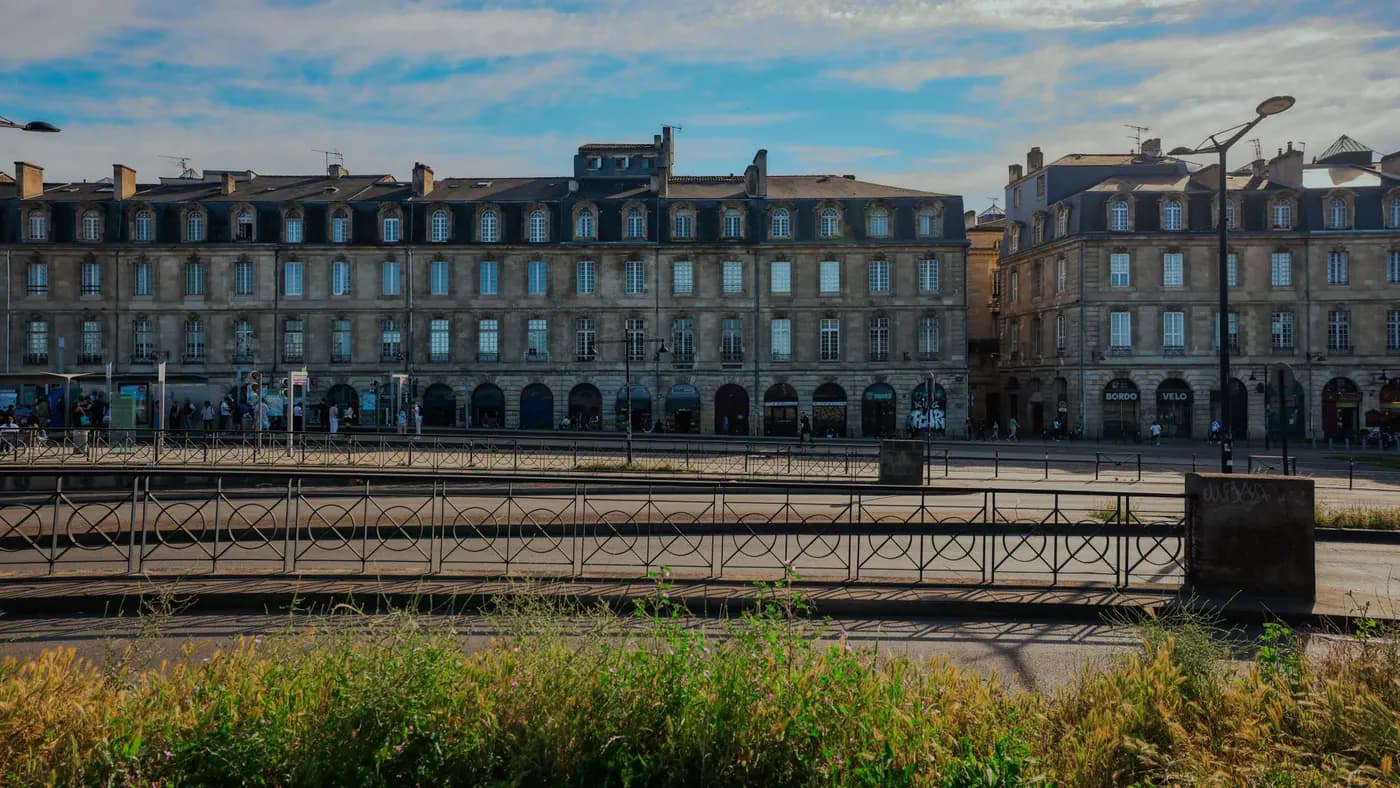
Bordeaux is a natural winter destination for groups who value wine. Cellar dinners, blending workshops and visits to estates in Saint-Émilion or the Médoc take place under cover, and the vineyards remain interesting outside the growing season. Châteaux hotels in the surrounding countryside offer a retreat atmosphere, while the city itself, with its restored quays and compact centre, is easy to navigate on foot. Travel from Paris by TGV takes a little over two hours.
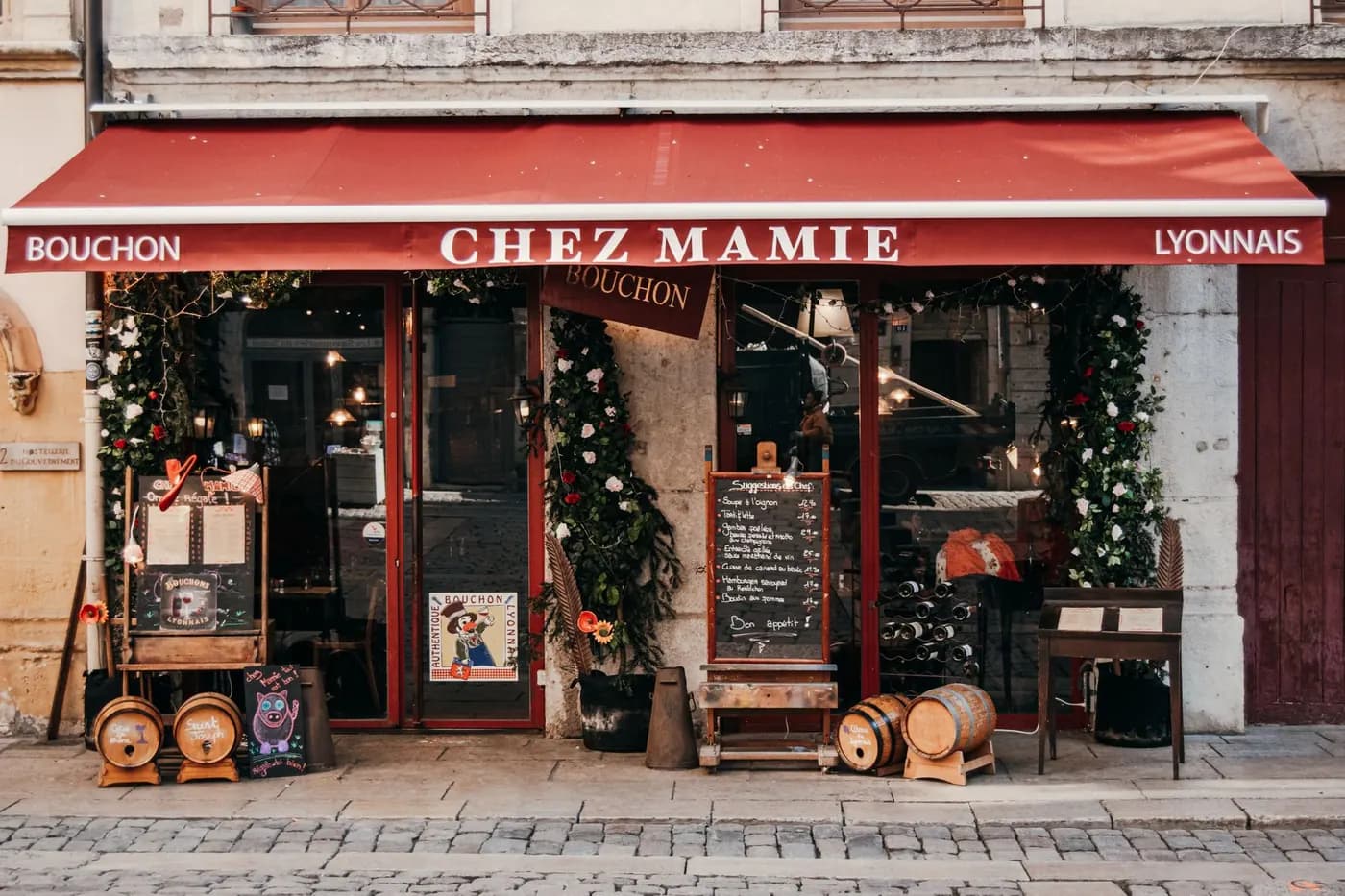
Lyon offers a different register, built on gastronomy and craft. Cooking workshops, bouchon dinners and the covered passages known as traboules suit cold or wet evenings particularly well. Its business infrastructure is strong, with congress facilities and a range of international hotels, and the city sits about two hours from Paris by TGV. For a seminar that combines working days with a convivial evening, Lyon is a reliable choice.
Both cities benefit from being real working cities: restaurants, shops and cultural venues do not close with the tourist season.
The Loire Valley: châteaux with room to spare
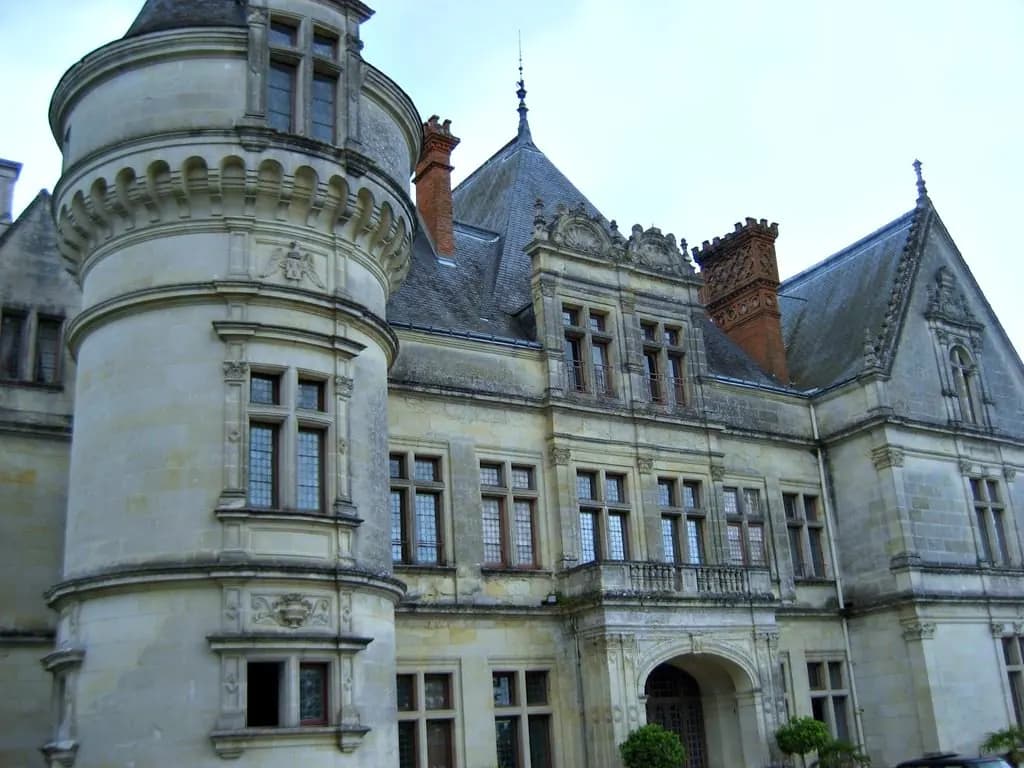
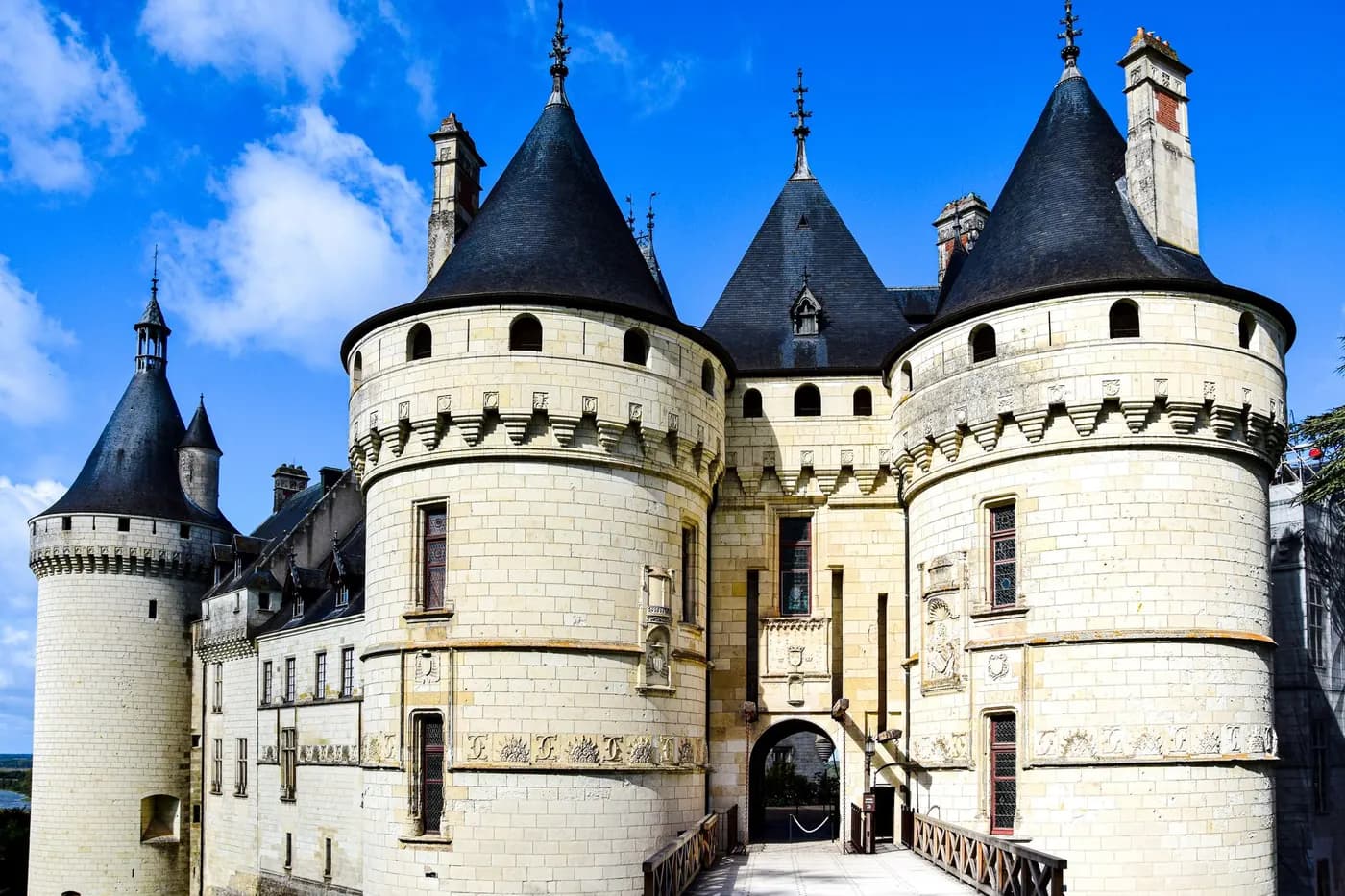
The Loire Valley is often associated with spring and summer visits, yet its châteaux are well suited to winter seminars. Large reception rooms, fireplaces and period dining halls give a different atmosphere from the high season, and private hire is generally easier to arrange when public visitor numbers are lower. Some châteaux have been converted into hotels with meeting rooms, which allows a group to stay, work and dine in a single estate.
Programmes that work well in the cold months include historical games within the château, tasting sessions with local producers and private visits outside opening hours. Outdoor activities such as a hot-air balloon flight depend on conditions and should always be offered with an alternative.
Tours is reached by TGV from Paris in roughly an hour, and many estates are a short drive from the station. The region therefore suits seminars of two or three days where participants arrive without a long transfer day.
Alsace and the Basque coast: atmosphere in every weather
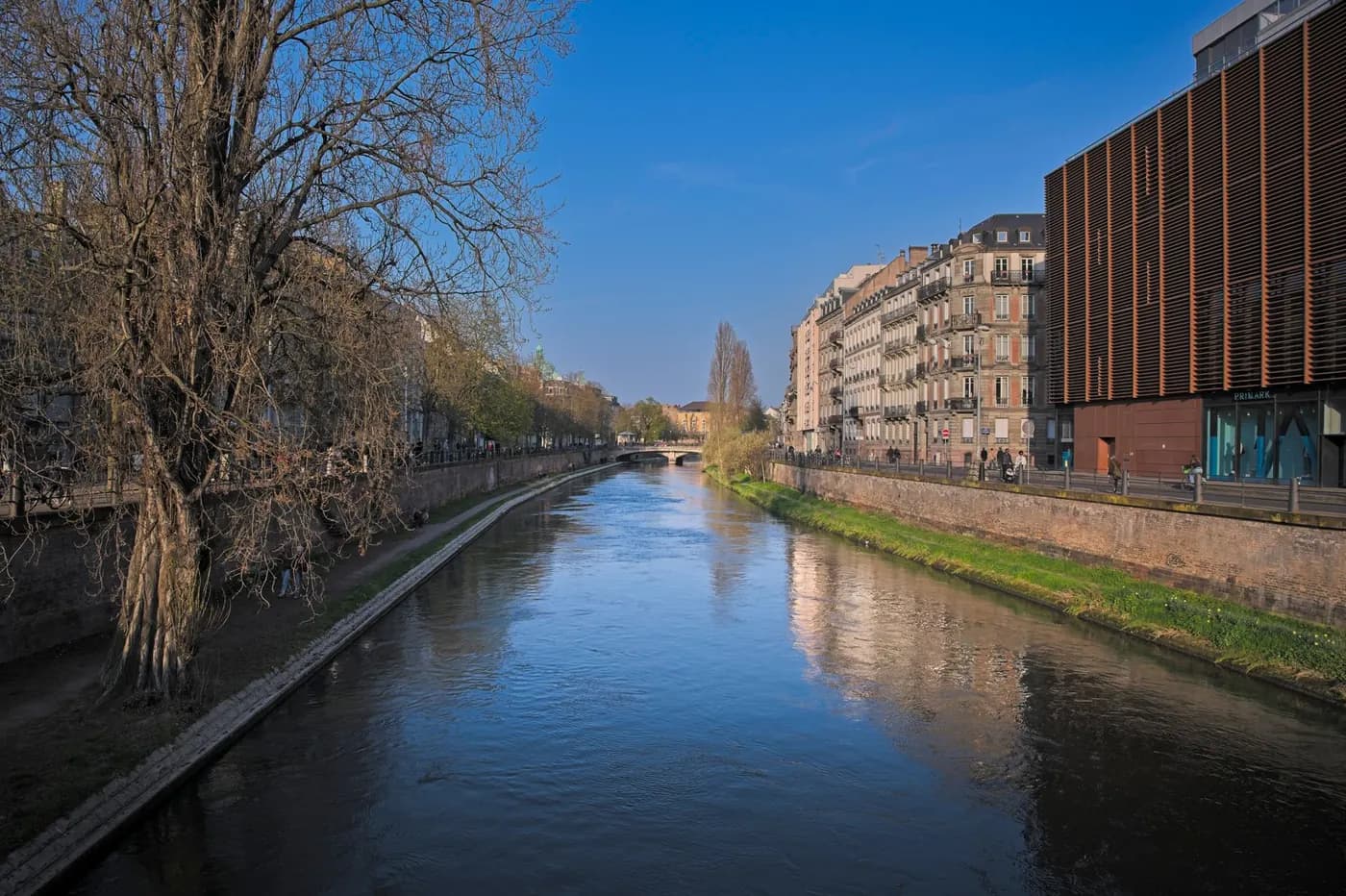
Alsace has one of the strongest winter identities in France. Strasbourg and the wine route offer half-timbered villages, winstubs and cellar tastings, and the Christmas markets draw large numbers of visitors in the weeks before the holidays. This is precisely the point to check: in that period the city is busy and hotel supply tightens, so many groups prefer the weeks before or after. Strasbourg is also an institutional city with good congress facilities, and a TGV link to Paris of under two hours.
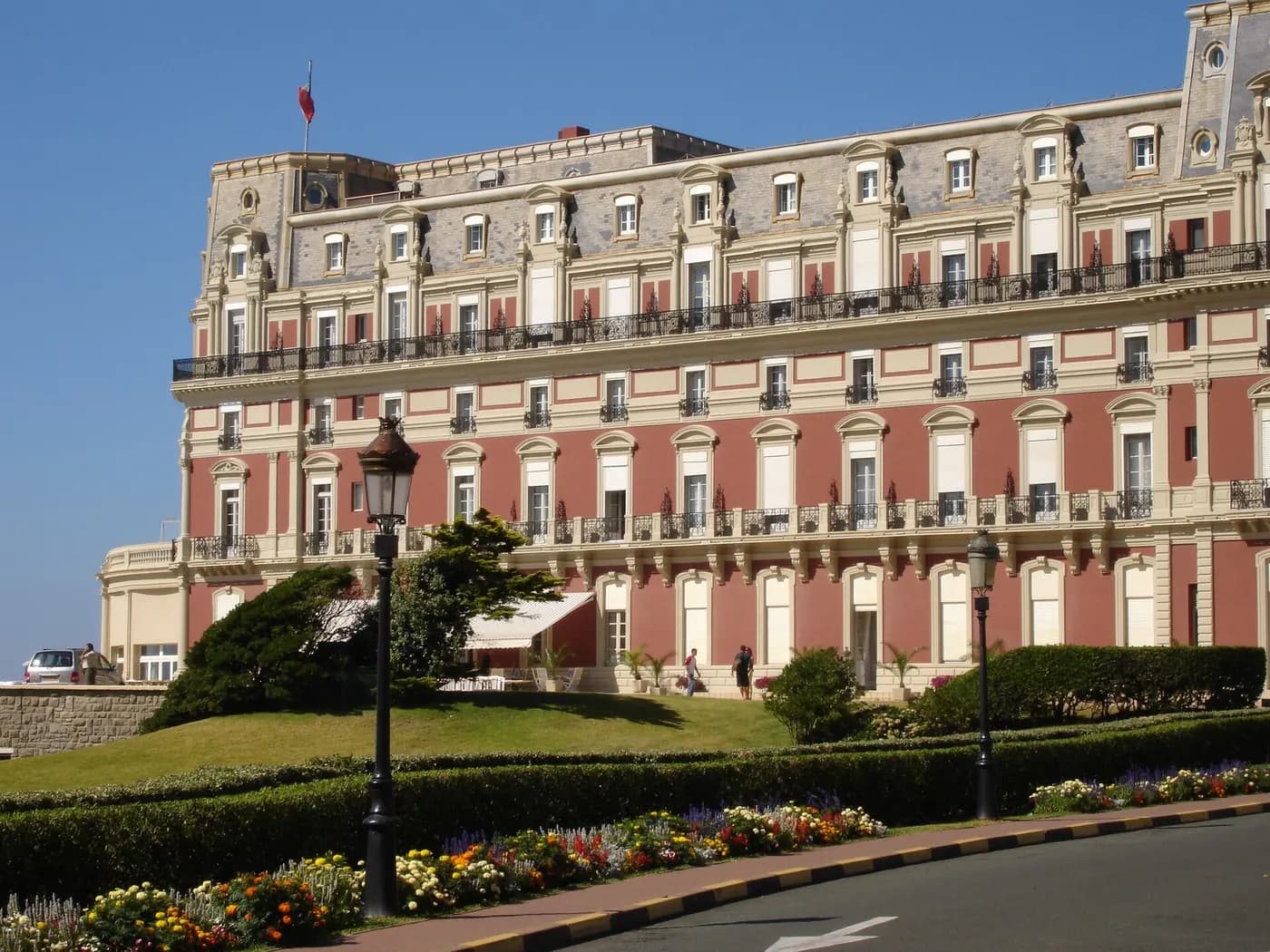
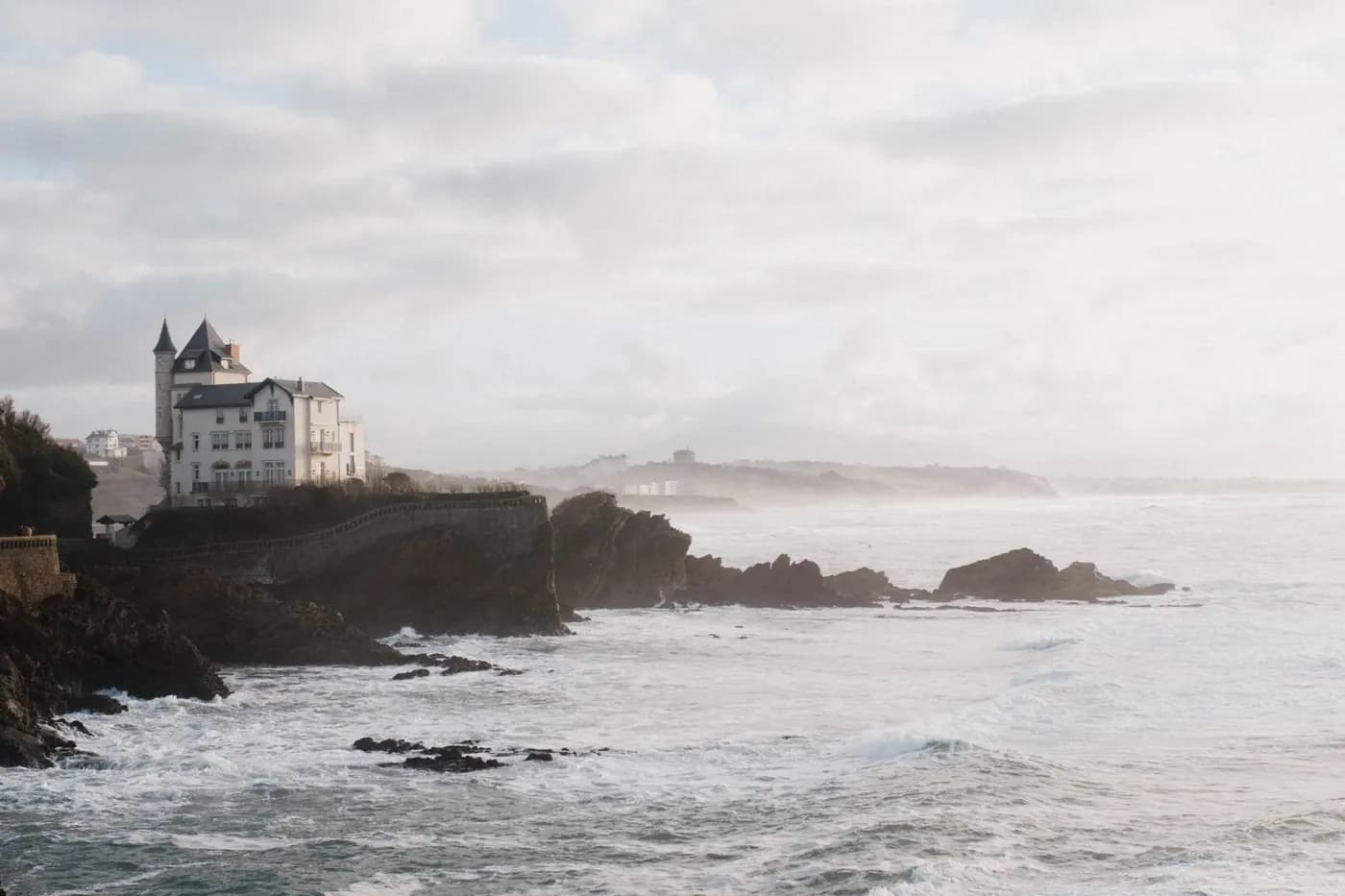
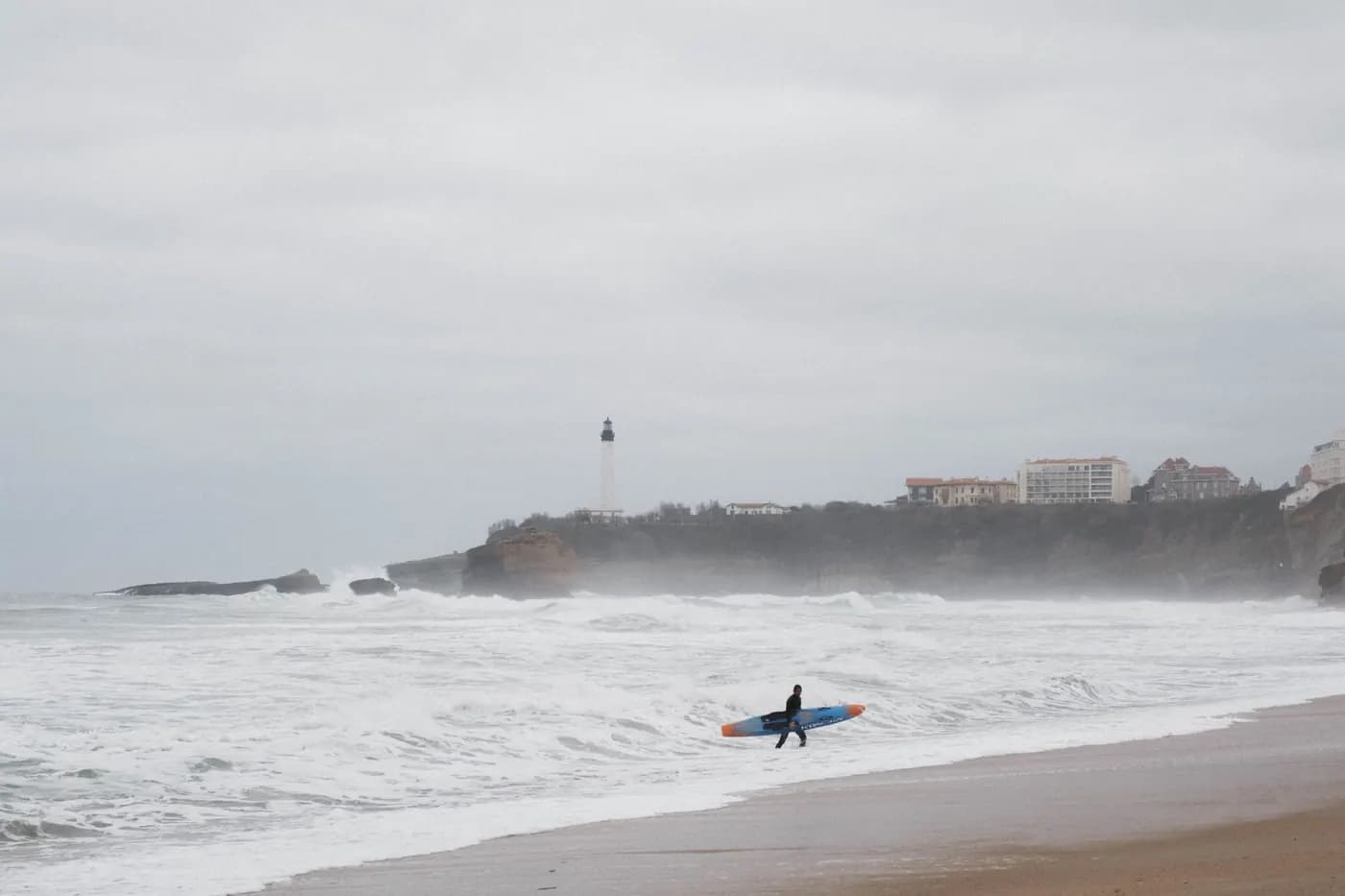
The Basque coast is less obvious but compelling. Biarritz is quieter outside summer, the Atlantic sea is dramatic, and thalassotherapy and spa programmes suit seminars that include a wellbeing dimension. Cuisine, pelota and the character of the Basque villages complete a programme that does not depend on beach weather. Journey times depend on the route: TGV from Paris, or flights to the regional airport.
Both regions give participants a clear sense of place, which is what people tend to remember from a seminar held in colder months.
Planning around daylight and weather
Off-season programmes succeed on small, practical decisions rather than on grand gestures:
- Schedule outdoor visits between late morning and mid-afternoon, and keep evenings for interiors.
- Prepare a covered alternative for each outdoor activity, agreed in advance with the supplier.
- Allow buffer time for transfers, since winter roads and rail can be less predictable in some regions.
- Brief participants on clothing and footwear, particularly for cellars, châteaux and coastal walks.
- Confirm heating, lighting and accessibility in older venues during the inspection visit.
- Verify the regional and national calendar for holidays and strikes.
A site inspection is particularly valuable in the quieter months, because you can see the venue as your group will experience it. The French DMC can propose the same brief for two or three regions side by side so that you compare comfort, access and atmosphere on equal terms.
常見問題
Which months count as off-season for a seminar in France?
Broadly November to March, excluding school holidays and local events, though the definition varies by region. Mountain and Christmas-market destinations have their own peaks, so check the local calendar.
Are off-season seminars cheaper?
Often, because hotels and venues have more availability, but this is not guaranteed. Prices depend on the dates, the destination and local events. Ask for quotations on two or three windows to compare.
What happens if the weather cancels an outdoor activity?
A covered alternative should be agreed in advance with the supplier, along with the decision time and any cost difference. Your DMC should include this in the programme and in the contract.
Which of these regions is closest to Paris?
The Loire Valley is the closest, around an hour by TGV to Tours. Strasbourg, Lyon and Bordeaux are reached in roughly two hours or a little more by TGV. The Basque coast is a longer journey or a flight.
The French DMC · 更新日期