A border region with its own character
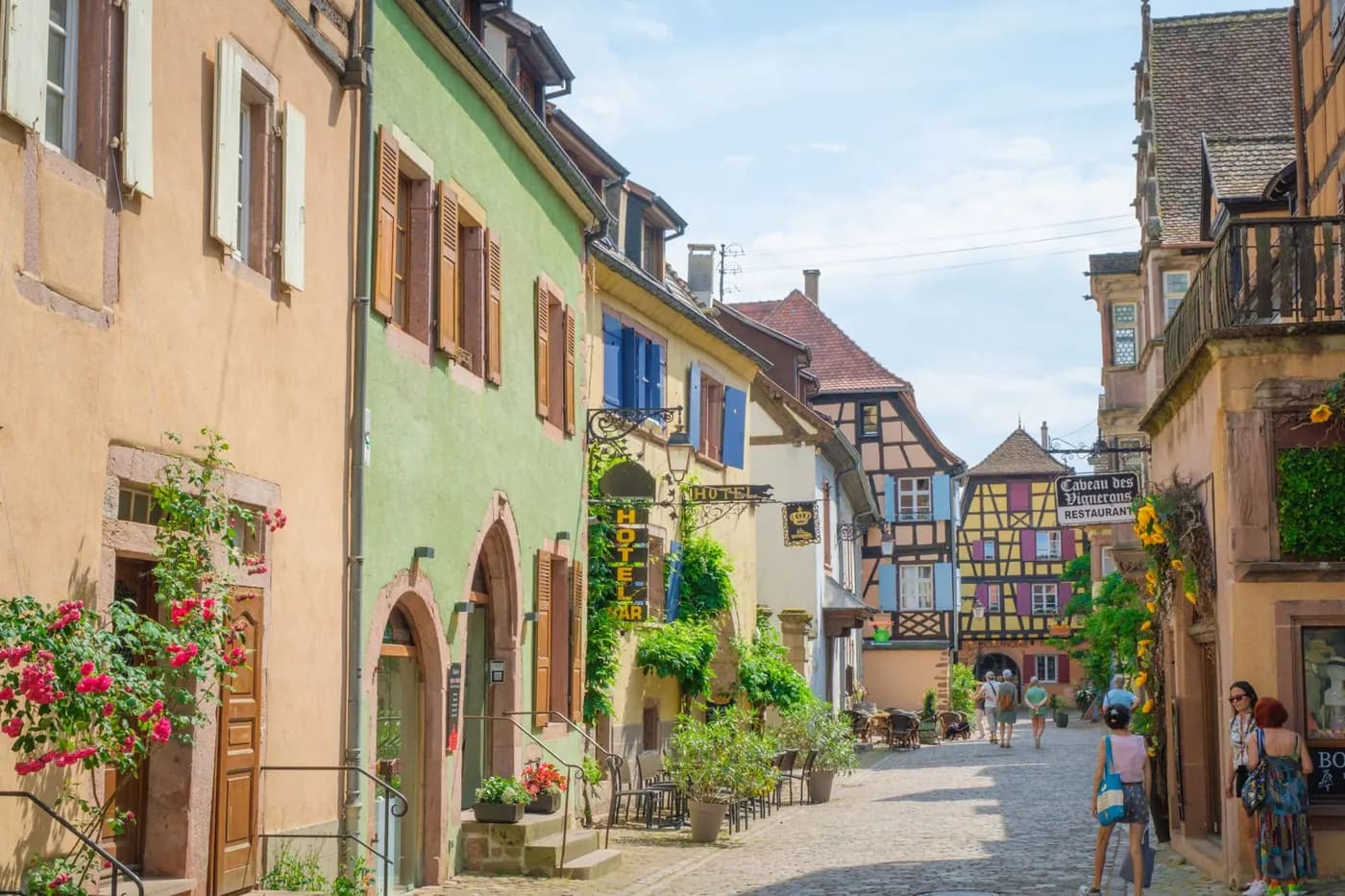
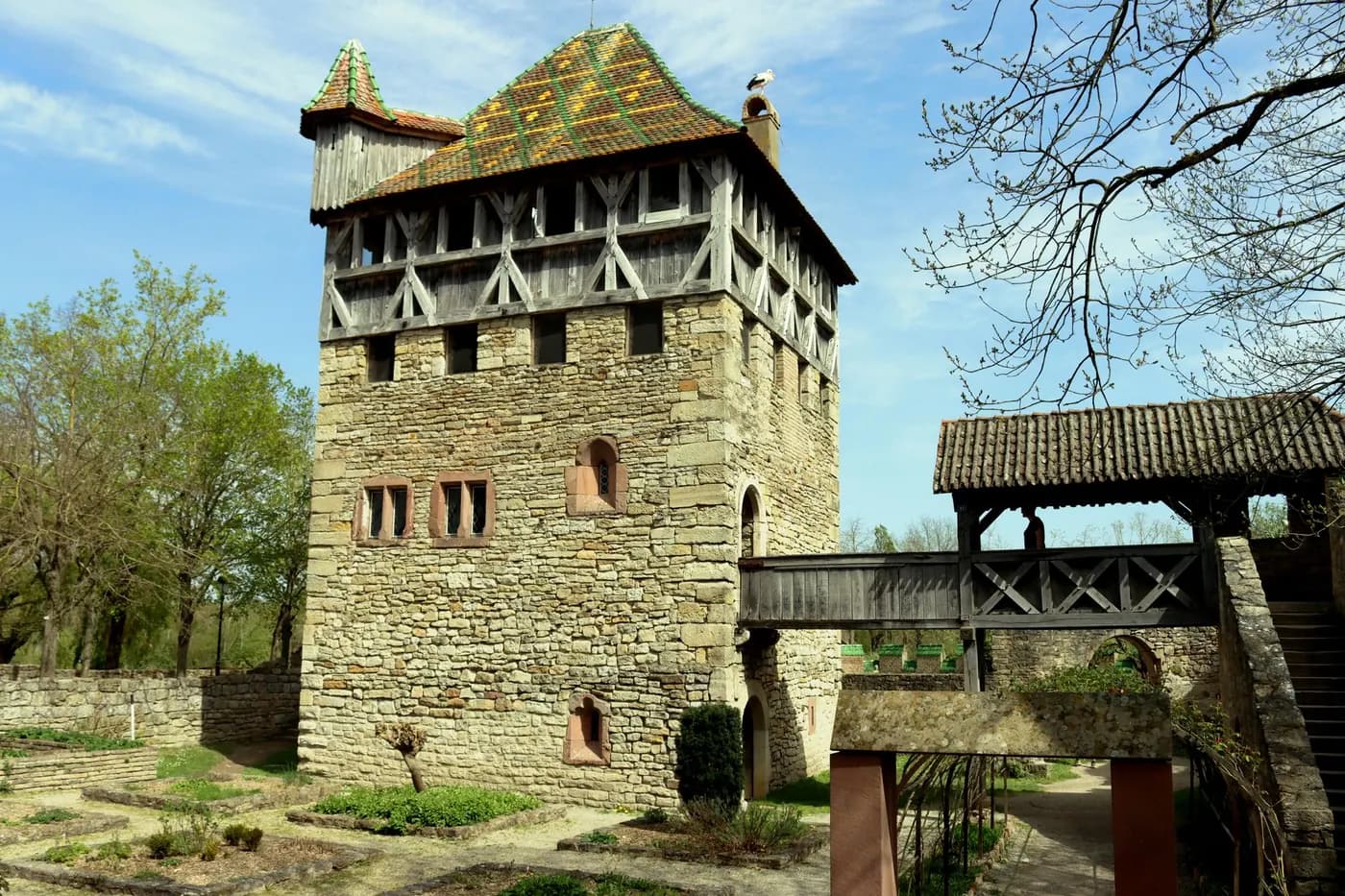
Alsace sits on the Rhine, facing Germany, and its history has given it a distinctive identity: French in its institutions, Germanic in its architecture, dialect and cuisine. For a corporate group, this blend is an asset. Half-timbered houses, flower-filled windows, stork nests on rooftops and a table of choucroute, tarte flambée and Riesling create a setting that feels coherent and different from other French regions.
Access is easy. The TGV from Paris-Gare de l'Est reaches Strasbourg in under two hours. The region is also served by Strasbourg airport and by the Basel-Mulhouse airport in the south, and German rail and road networks are close. For an international seminar with participants arriving from several countries, this proximity to neighbouring borders is practical.
Strasbourg: institutions and heritage
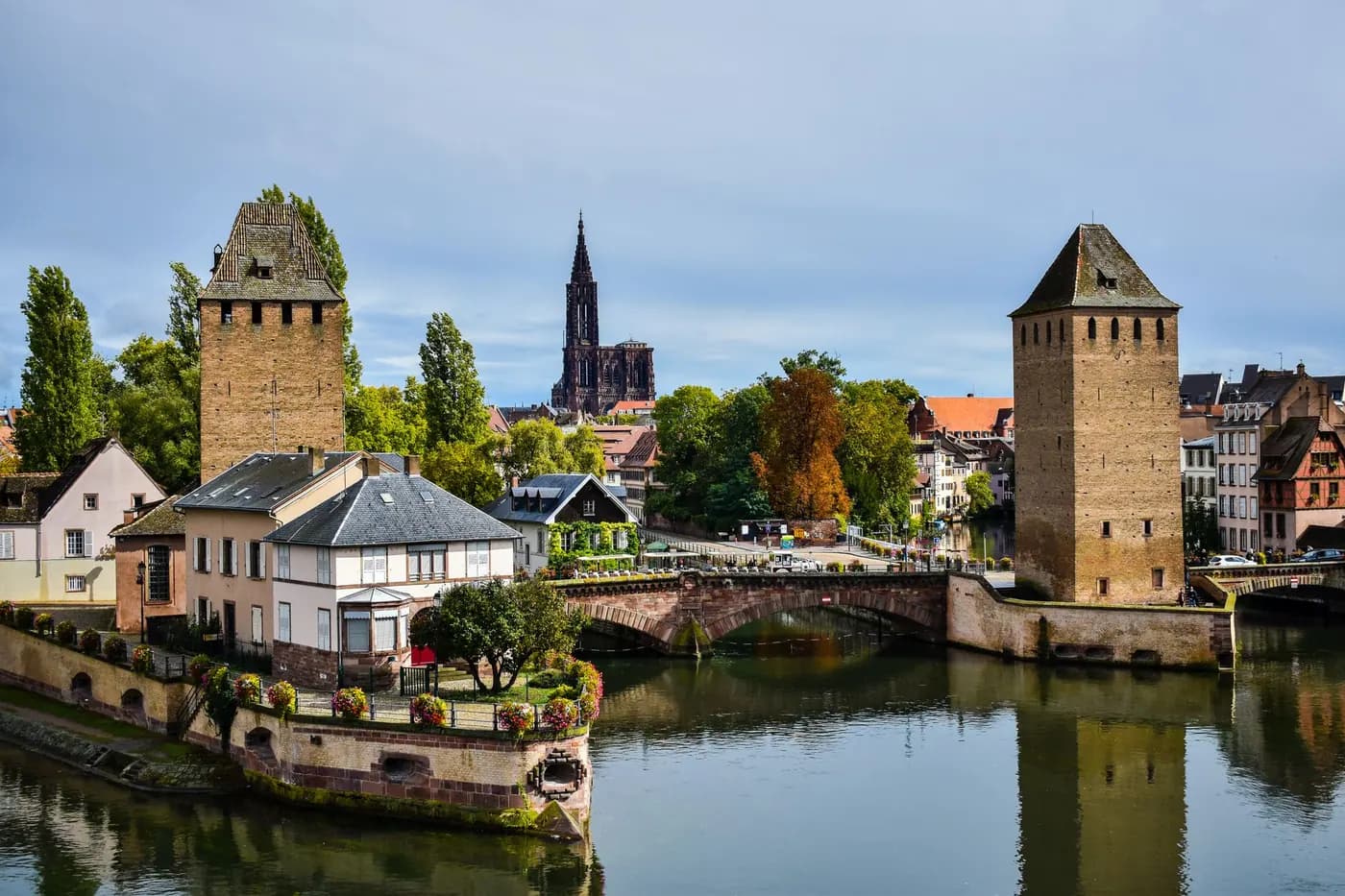
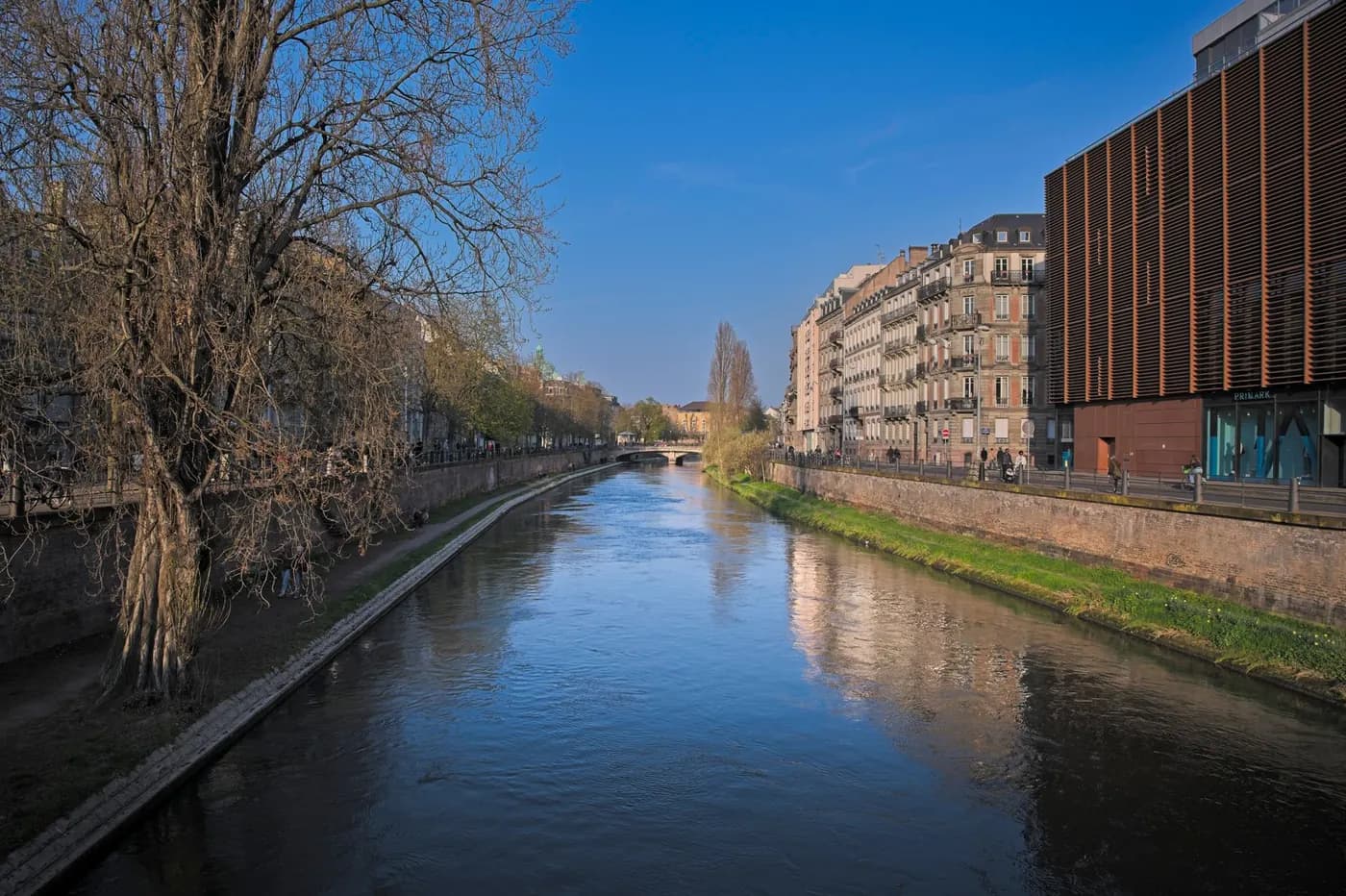
Strasbourg is home to the European Parliament, the Council of Europe and the European Court of Human Rights. It is therefore a natural choice for institutional events, association conferences and meetings that benefit from the symbolism of a European city. The Grande Île, with its cathedral, the Petite France district and the covered bridges, has been listed by UNESCO since 1988, and the Neustadt, the German-era district, was added to the listing in 2017.
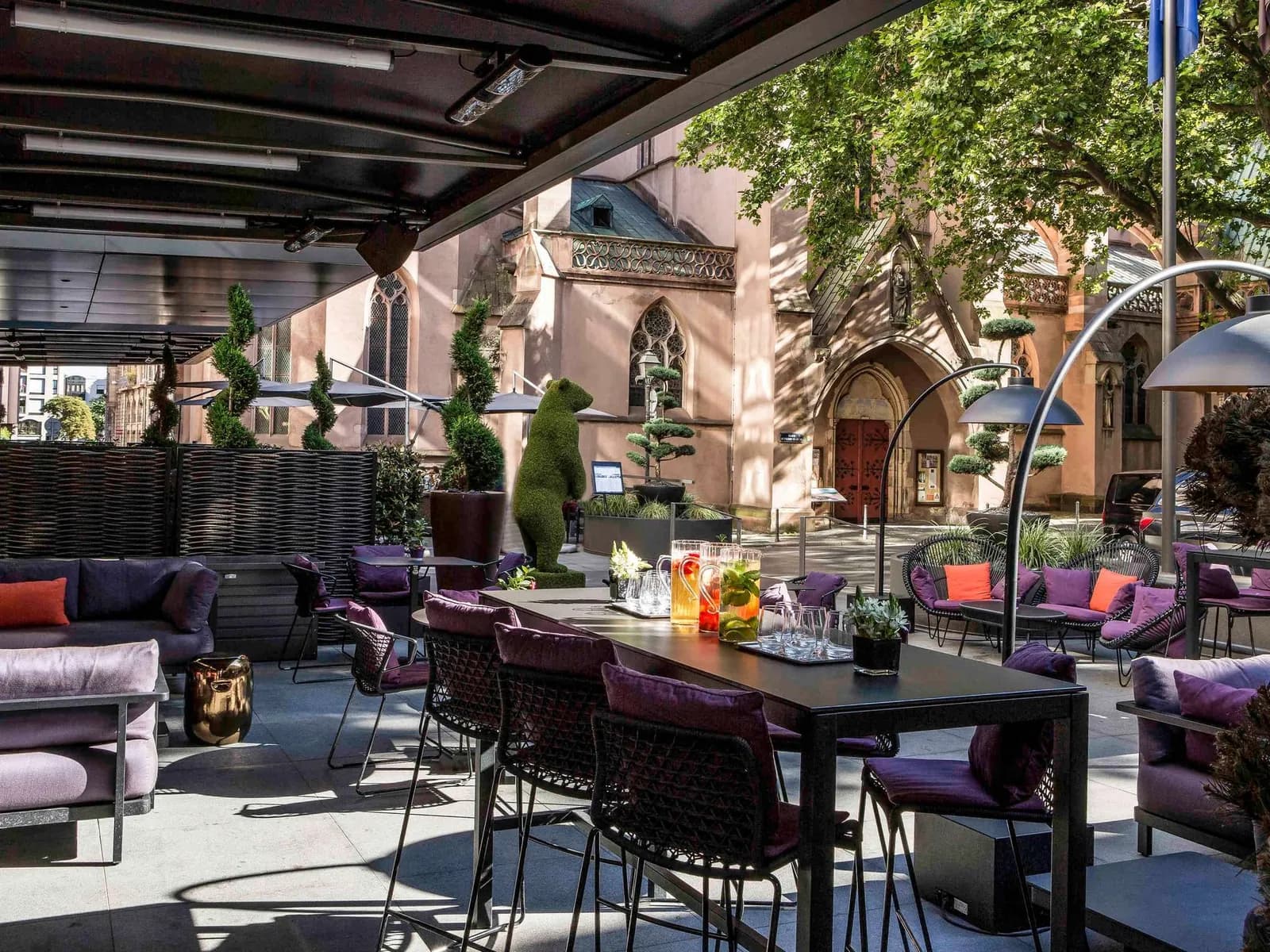
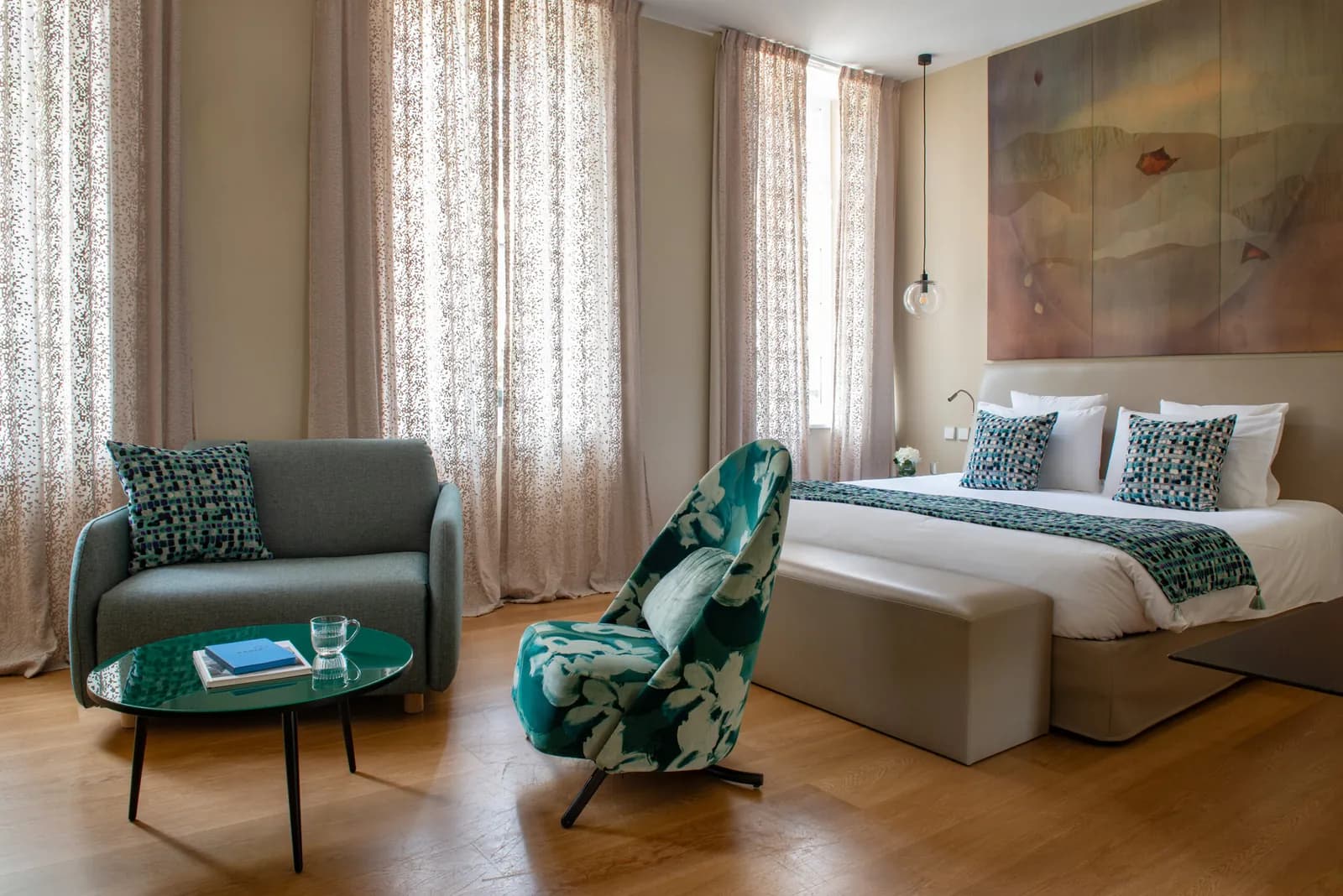
Hotels with meeting facilities include the Sofitel Strasbourg Grande Île, the Regent Petite France and the Hilton Strasbourg. The Palais de la Musique et des Congrès handles larger gatherings. Boat trips on the canals of the Ill, a private visit of the cathedral and an evening in a winstub, a traditional Alsatian tavern, give a programme local colour without much complexity.
The Wine Route and Colmar
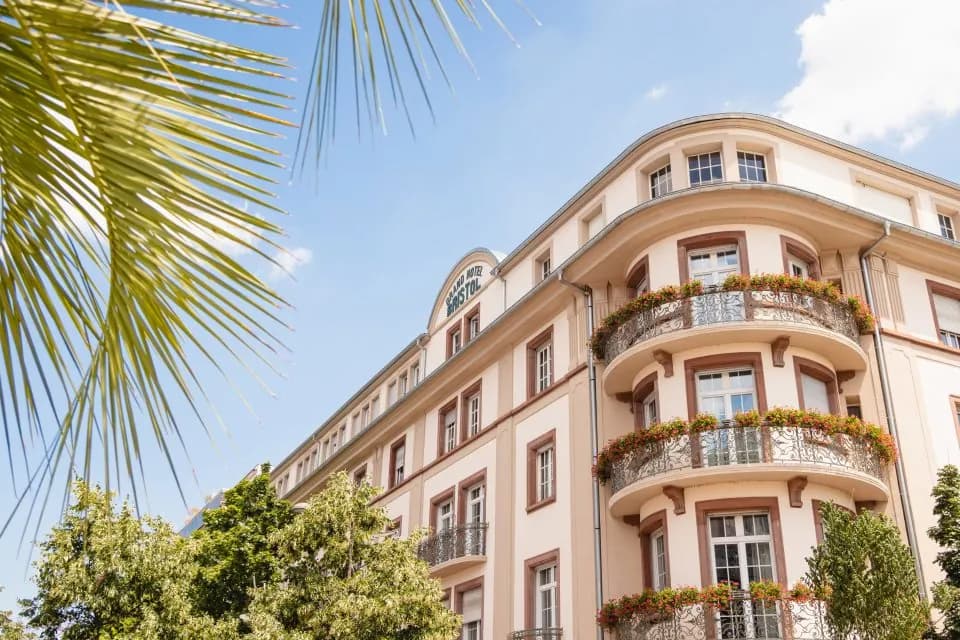
The Alsace Wine Route winds for roughly 170 kilometres at the foot of the Vosges, linking villages such as Riquewihr, Kaysersberg, Eguisheim and Ribeauvillé. Colmar, with its Little Venice and its half-timbered houses, is the best-known stop and is reached from Strasbourg in roughly half an hour by train or around three-quarters of an hour by road. The Grand Hôtel Bristol in Colmar is one option for a group that wishes to stay in the south.
Alsace produces mostly white wines, notably Riesling, Pinot Gris, Gewurztraminer and Muscat, as well as sparkling Crémant d'Alsace. A private tasting with a winemaker, followed by a lunch in the cellar or at a table in the vineyard, is an authentic and relaxed way to spend a day. As in other wine regions, family estates are small, so groups of more than thirty may need to be divided between two properties.
Programmes beyond wine
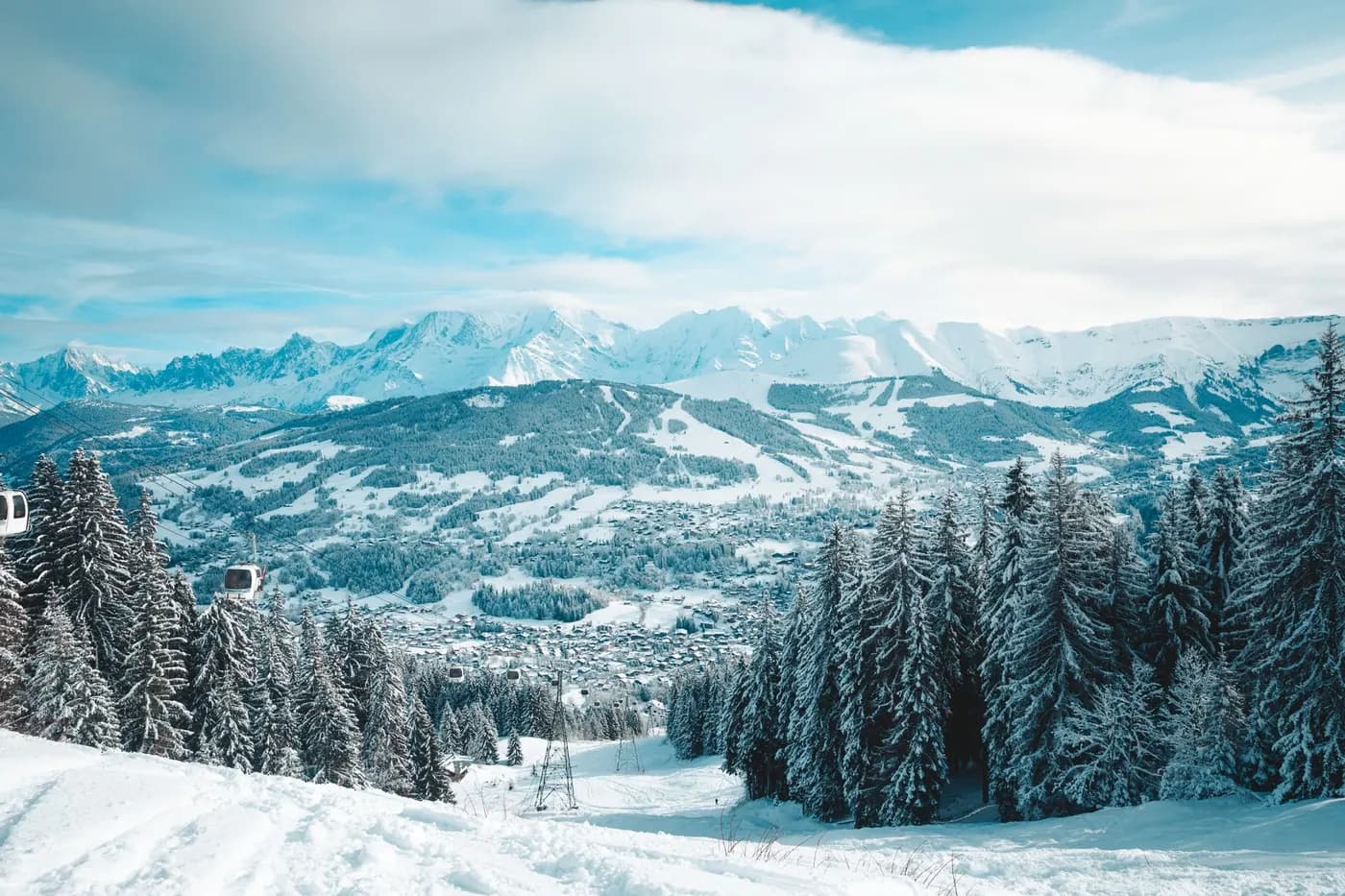
Alsace has more to offer than wine. A treasure hunt through the lanes of Strasbourg, a cooking workshop built around local dishes, a cycling day on the plain or a hike in the Vosges can all be integrated. The region has also many castles, such as the Haut-Kœnigsbourg, which dominate the plain and offer striking views.
For groups that wish to combine culture and leisure, the region's museums and the nearby Black Forest in Germany can extend the stay. Cross-border excursions are possible, but participants' passports and visa status, if relevant, must be checked in advance, and coach drivers must hold the appropriate documents. Our teams verify these details as part of the planning.
The Christmas markets and other seasons
Alsace is famous for its Christmas markets, which fill the squares of Strasbourg, Colmar and many villages from late November to the end of December. The atmosphere is remarkable, with lights, spiced wine and wooden stalls, and the markets draw many thousands of visitors. For a corporate group this is an attractive but demanding period: hotels are heavily booked, the crowd is dense and transfers are slower. Reservations should be made many months ahead, and a private dinner is preferable to a visit on the busiest evenings.
Outside December, spring and early autumn are especially pleasant. The grape harvest in September and October adds a lively atmosphere in the villages. Summer is warm and often dry, which makes Alsace one of the drier regions of France, and winter is cold but attractive for indoor seminars and cosy evenings. In every season, a seminar in Alsace benefits from a generous table: the local cuisine is hearty, so we recommend lighter lunches on working days and keeping the great Alsatian dinner for the evening.
常見問題
How long does the TGV take from Paris to Strasbourg?
The TGV from Paris-Gare de l'Est to Strasbourg takes under two hours, with frequent departures during the day.
Is Strasbourg suitable for institutional or association events?
Yes. As the seat of the European Parliament and the Council of Europe, and with a congress and music centre and several business hotels, Strasbourg is well adapted to institutional gatherings.
How far is Colmar from Strasbourg?
Colmar is roughly half an hour by train or around three-quarters of an hour by road from Strasbourg, which makes a day excursion on the Wine Route easy to organise.
Should we book early for the Christmas markets?
Yes. Hotels and restaurants are heavily requested from late November to the end of December, so groups should reserve many months ahead and consider private dinners.
The French DMC · 更新日期