Two different kinds of reward
An incentive is a message before it is a programme. Paris and the French Riviera carry different messages, and the choice is easier once you have named the one you want to send.
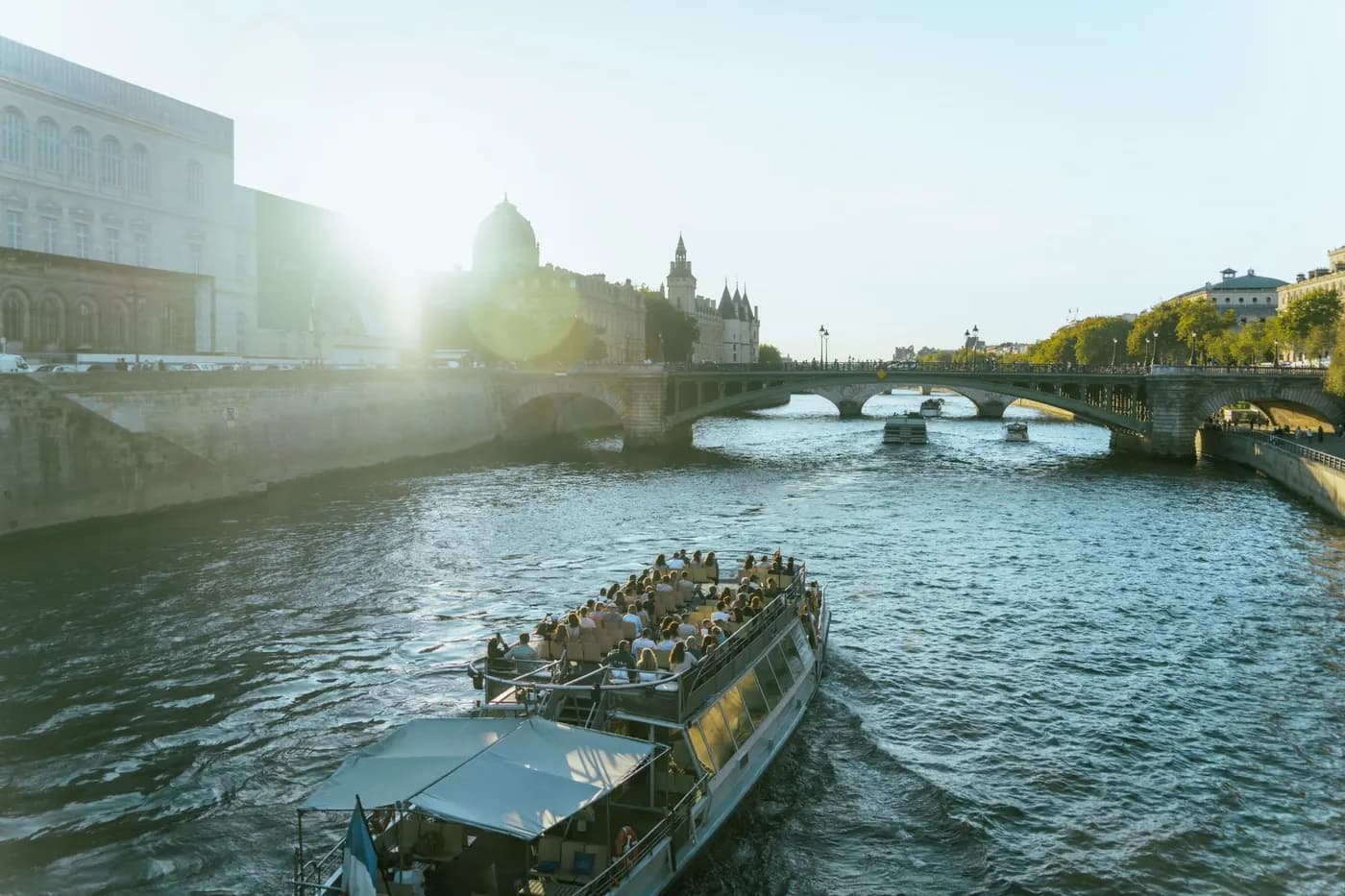
Paris offers density. In a few days a group can visit a museum after hours, attend a couture house, dine in a private mansion and cruise the Seine, all within a few kilometres of the hotel. The experience is cultural, urban and refined, and it suits groups that value discovery and exclusivity of access. It also works for participants who have already travelled widely, because the city offers rooms that are closed to the public.
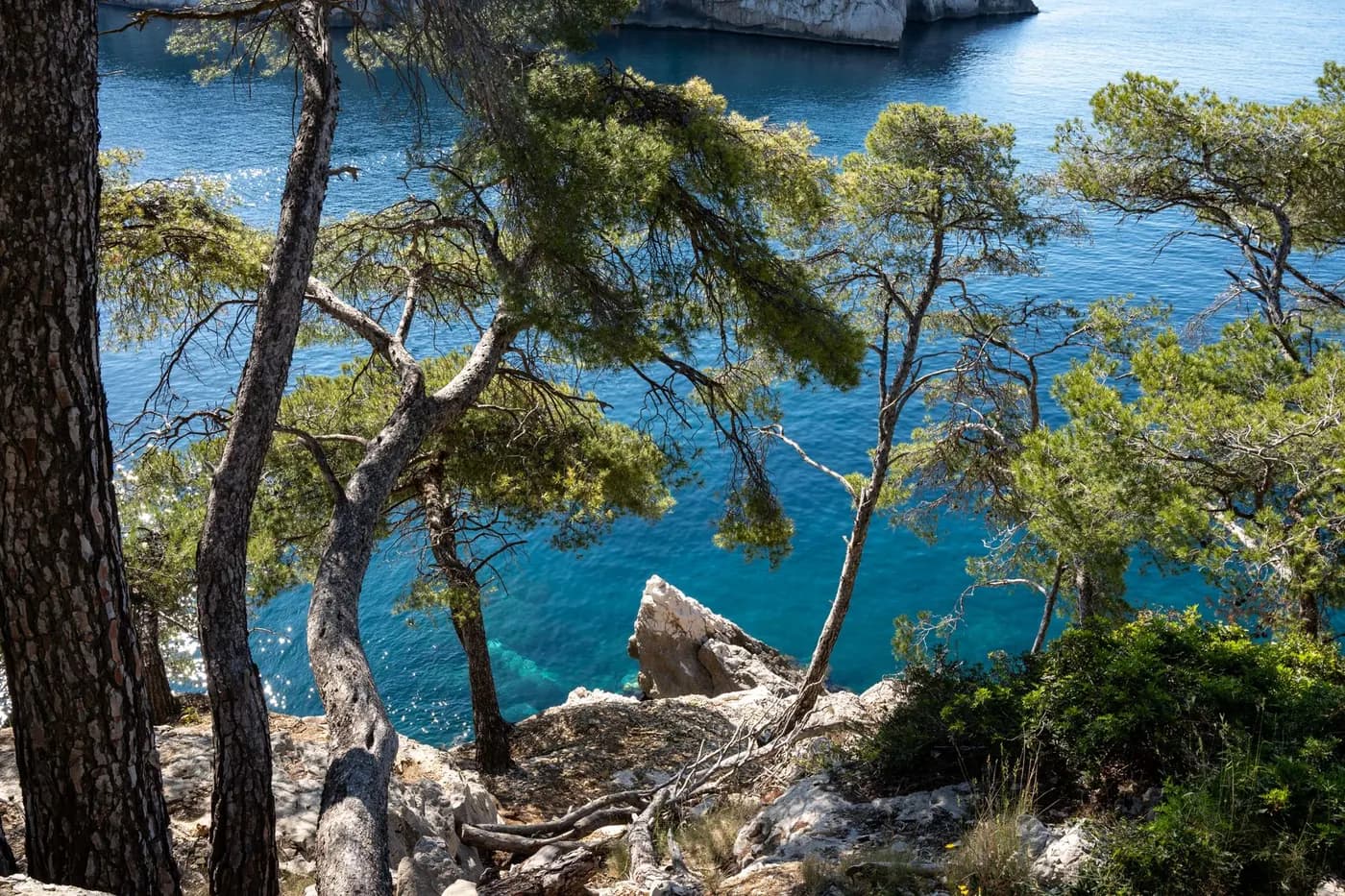
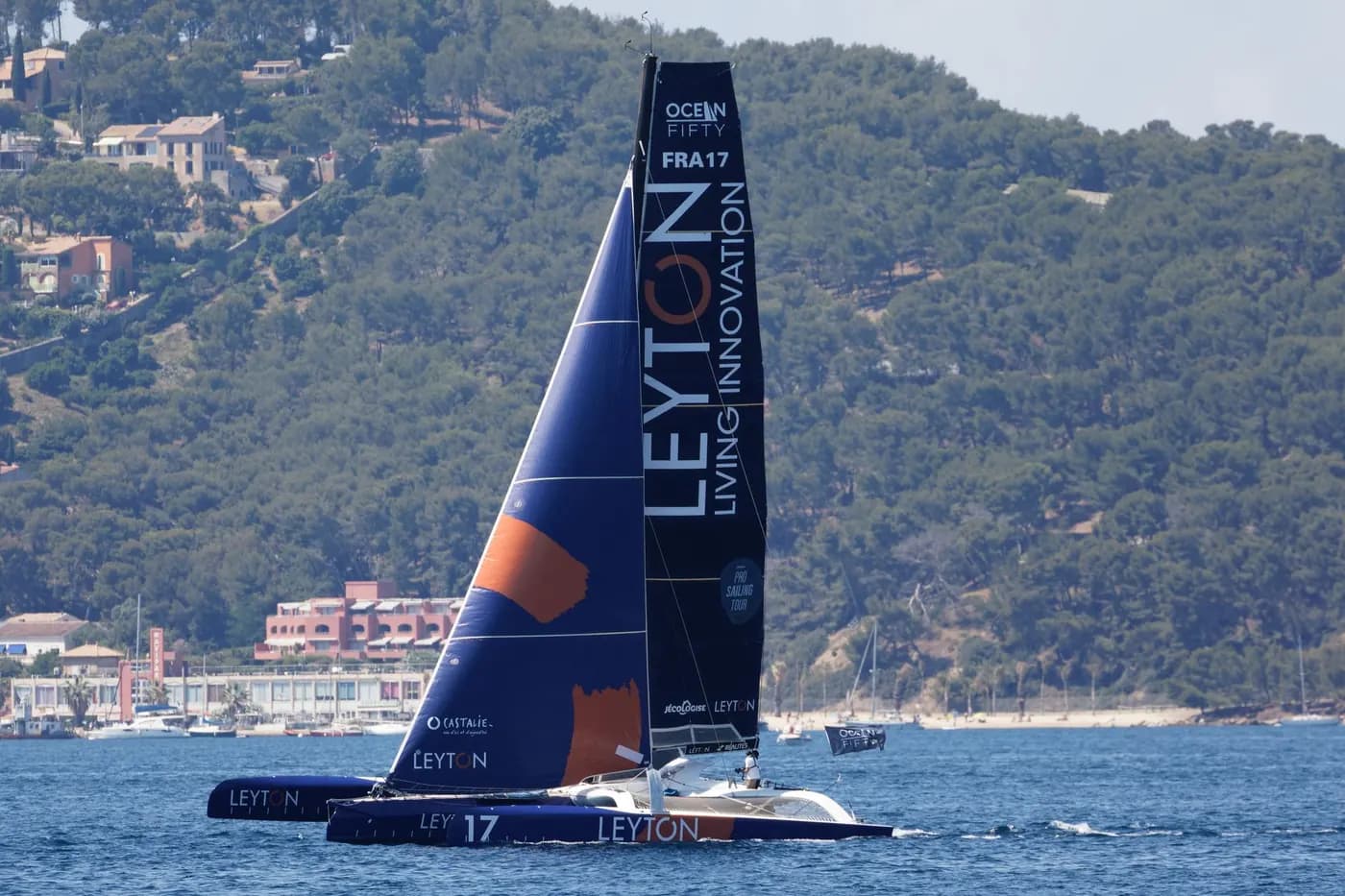
The French Riviera offers light and space. Days are organised around the coast: a morning sail from Cannes or Antibes, lunch on a private beach, a gala evening in a villa or in Monaco. The tone is leisurely and convivial, and it suits groups who want to relax together and celebrate. Hospitality is a strength of the coast, with a concentration of luxury hotels and resorts.
Neither is better in the abstract. A technology team rewarded for a launch may prefer the Riviera; a board of senior partners may prefer the discretion of Paris.
Access, transfers and time on site
Paris is the most accessible destination in France for international groups. Charles de Gaulle and Orly airports serve most long-haul and European routes, and the rail network connects the city to many other regions by TGV. Transfers within the city are short in distance, but traffic can make journey times unpredictable, which is why a programme should avoid tight sequences between two sites on opposite sides of the city.
The Riviera is reached mainly through Nice Côte d'Azur airport. From there the transfer to Cannes, Monaco or Cap-Ferrat takes from a fraction of an hour to a longer drive depending on the destination, the day and the season, when coast roads are busy. Rail from Paris to the Riviera is a long journey, so most groups fly. Within the region, boats, helicopters and coaches each have a role, and a DMC will advise on the combination that protects the group's time.
In both cases, ask for a realistic timetable rather than the theoretical one. The difference between a transfer shown on a map and one planned for a group of eighty with luggage is where an incentive programme is won or lost.
Season and calendar constraints
Paris works all year. Spring and early autumn are popular, summer is lively but some residents and suppliers are away in August, and winter offers atmosphere and often better availability of venues. Fashion weeks, large trade fairs and national holidays can still affect hotel supply and prices, so check the city calendar against your dates.
The Riviera is strongest from late spring to autumn, when sea activities are possible. Its calendar is also shaped by international festivals and trade fairs, particularly in Cannes, during which hotels and venues are in demand and rates rise. The coast in winter is quieter and mild compared with northern France, which makes it viable for meetings, but sea-based activities become limited.
If your dates are fixed, begin with the calendar: it will often settle the question before taste does. If your dates are flexible, ask your DMC for two or three windows and compare availability of the hotels and private venues you most want. Our article on public holidays and strikes is a useful companion for this step.
Venues, hotels and private access
Paris combines a large hotel stock, from palace hotels to business-oriented properties near the congress centres, with an exceptional range of cultural venues. Private access to a museum, an opera house or a palace outside Paris such as Versailles is possible, but it is subject to the site's own rules, preferred caterers and lead times. Plan early for the best dates.
The Riviera concentrates a smaller number of prestigious hotels and beach clubs, with generous outdoor space, terraces and gardens. Villas, yachts and sea-front restaurants broaden the choice for dinners, and Monaco adds a distinct evening setting. Availability is more limited and tighter in peak weeks, so the freedom to choose is narrower and the need to reserve early is greater.
In both cases the practical question is the same: which venues can host your group size at the time you want, and on what conditions. Your DMC should answer with named options and typical lead times, not with generalities.
Budget logic and how to decide
Comparing budgets between the two destinations is less about the headline hotel rate than about the structure of the programme. In Paris, costs are driven by private venue hire, catering at monuments and the logistics of moving a group in a large city. On the Riviera, they are driven by high-season hotel rates, boats and the transfers needed along the coast. Neither is systematically cheaper; each rewards a different way of building the programme.
A practical method is to proceed in four steps:
- Define the message and the profile of the group, including previous destinations they have visited.
- Fix the dates or the possible windows, then check the calendar of each destination.
- Ask for two outlines of comparable standard, with the same number of nights and the same quality of hotel.
- Compare them on the experience delivered and the risks, not on the total alone.
A combined formula also exists for longer trips, with a flight or rail transfer between the two, though the added travel time should be weighed against the benefit. The French DMC can build the two outlines side by side from a single brief.
常見問題
Is Paris or the French Riviera better for a luxury incentive?
Both support a luxury standard. Paris is stronger for cultural and private-access experiences, the Riviera for sea, leisure and open-air evenings. The better choice depends on the group's profile and the season rather than on the destination alone.
What is the best time of year for an incentive on the French Riviera?
Late spring to early autumn is the most reliable period for sea activities, though it is also the busiest. Check the calendar of festivals and trade fairs in Cannes and Nice, which can affect hotel availability and rates.
How far ahead should we book a Paris incentive?
For private venues and a group of around 100 or more, six to twelve months ahead is prudent, especially for spring and autumn. Smaller groups can sometimes be organised faster, with fewer venue choices.
Can one programme combine Paris and the Riviera?
Yes, for stays of four nights or more. A domestic flight links the two in a short time, but it adds a transfer day. Your DMC can advise whether the added variety justifies the time lost.
The French DMC · 更新日期