Think in sub-groups from the start
The principle that governs a group of 300 is division. No coach, restaurant, guide or monument is designed for the whole group at once, so the programme is built from units of manageable size. A common structure is six to ten sub-groups, identified by a colour or a name, each with a dedicated host who stays with it throughout the stay.
The sub-groups are not only a logistical convenience. They give participants a small, recognisable team within a large event, which makes it easier to communicate. A colour on the badge, on the luggage tag and on the coach window tells each person where to go without needing to ask.
Design the mix deliberately. If the purpose is networking, assemble sub-groups from different offices or departments. If the purpose is reward, keep colleagues together. Reserve some moments in the programme, usually the welcome, a plenary session and the gala evening, for all 300 together, so that the group still experiences itself as a whole. The rest of the time, the programme can rotate sub-groups between activities of the same duration, which makes the schedule look complex on paper and simple for each participant.
Arrivals, hotels and registration
A group of this size rarely arrives together. Flights land at Charles de Gaulle and Orly across a day, and trains arrive at several stations. Plan staffed reception at airports and stations, with signage in the group's colours, and organise transfers in coach convoys on a fixed schedule. A hosted welcome desk at the hotel, with pre-printed room envelopes and badges, avoids queues at reception.
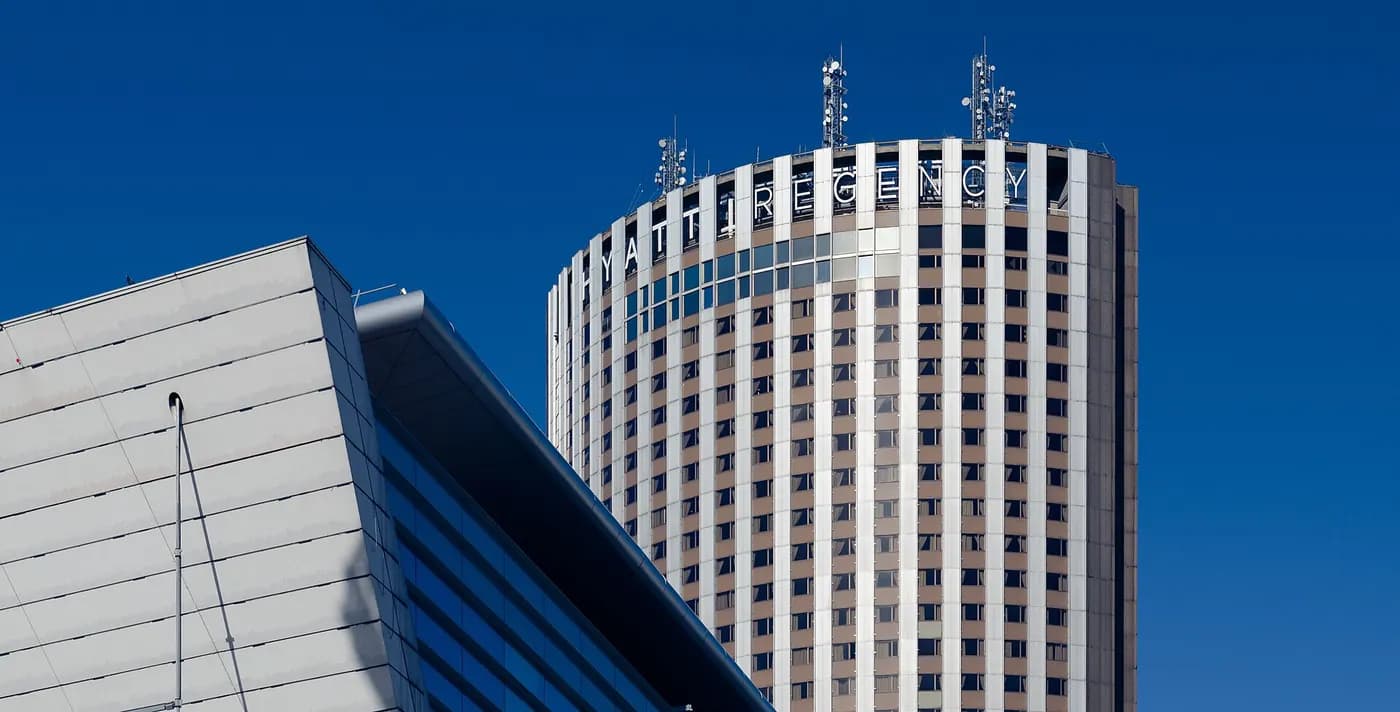
For accommodation, one hotel able to host 300 in a single block is uncommon in the centre of Paris. Using two or three neighbouring hotels of equivalent standard is frequently more realistic and preserves quality of service. Choose properties within walking distance of each other, or in a district served by the same metro line, so the group can still meet easily. Hotels near the major congress and business districts such as La Défense or Porte Maillot often have larger meeting spaces, which suits programmes with a working component.
Negotiate the rooming list deadline and attrition clause carefully at this size, since a small percentage of unused rooms represents a significant cost. Our article on VAT, quotations and contracts explains these mechanisms in more detail.
Coaches, guides and moving through the city
A standard touring coach seats around fifty people, so 300 participants require at least six coaches, plus a standby vehicle. Each coach should have a host, a clear number or colour, and a driver briefed on the route. Paris regulates where coaches may stop and park; many sites have a designated drop-off area, sometimes with time limits, and drivers must then leave and return at a set time. Ask your DMC to map drop-off and pick-up points for every stage and to build the schedule around them.
Moving 300 people on foot in public spaces is rarely practical. For visits, use whisper systems, small radio receivers worn by participants, so that guides can speak at a normal volume to each sub-group without blocking the way. Plan guide numbers to match the sub-groups, and stagger start times by ten to fifteen minutes to avoid queues at entrances and security checks.
Allow extra time for every transfer. Traffic in Paris is unpredictable, and the cumulative effect of several small delays is greater with many vehicles. A realistic schedule has margins; a theoretical one loses half an hour by lunchtime.
Meals, evenings and shared moments
Feeding 300 people calls for choices. Few restaurants in central Paris can seat that number at once, so lunches are commonly arranged in rotation across two or three venues, or served at a hotel with a large ballroom. For dinner, the decision is between a single large venue, where the whole group shares one room, and a series of simultaneous dinners in different places.
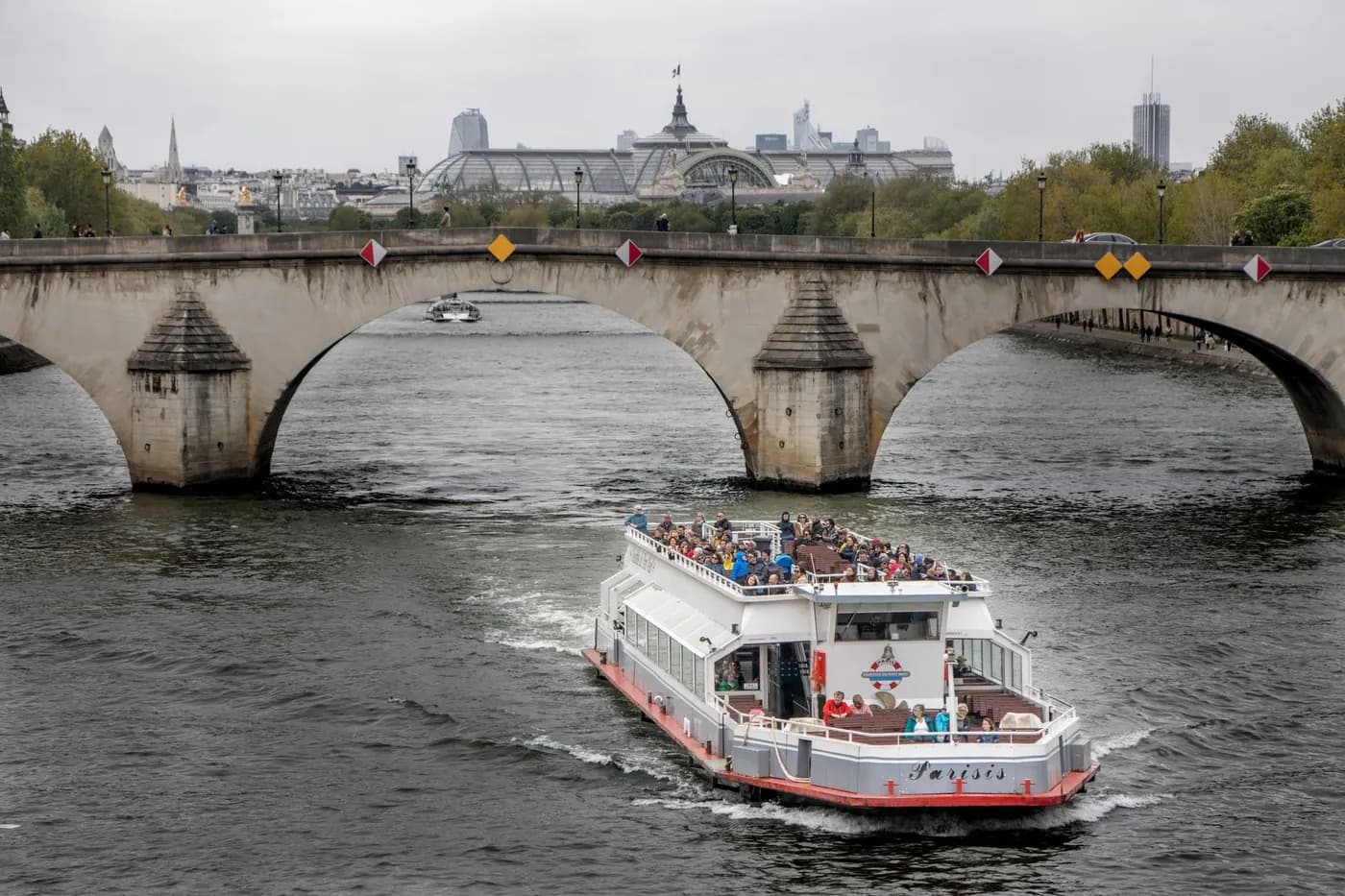
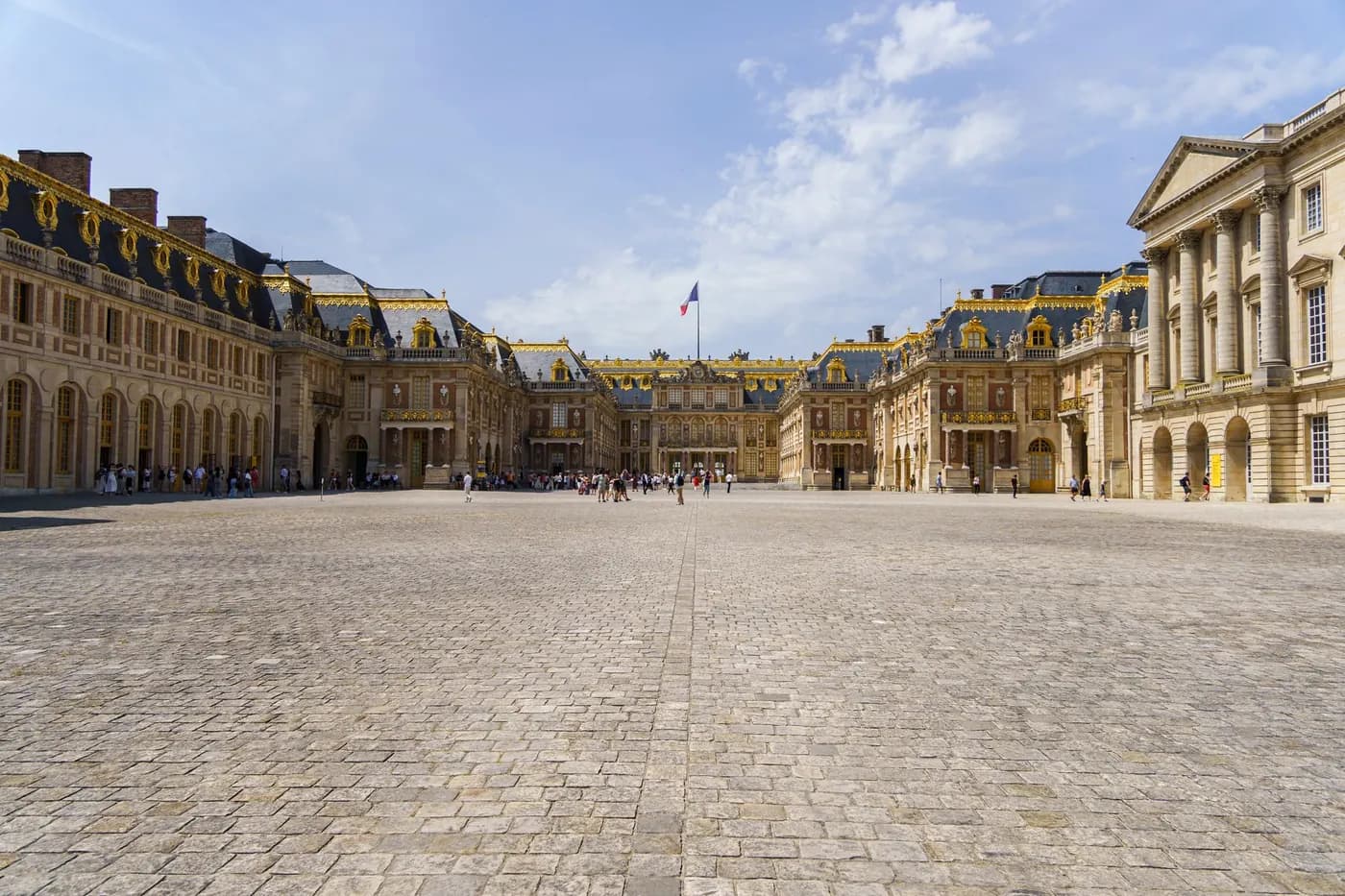
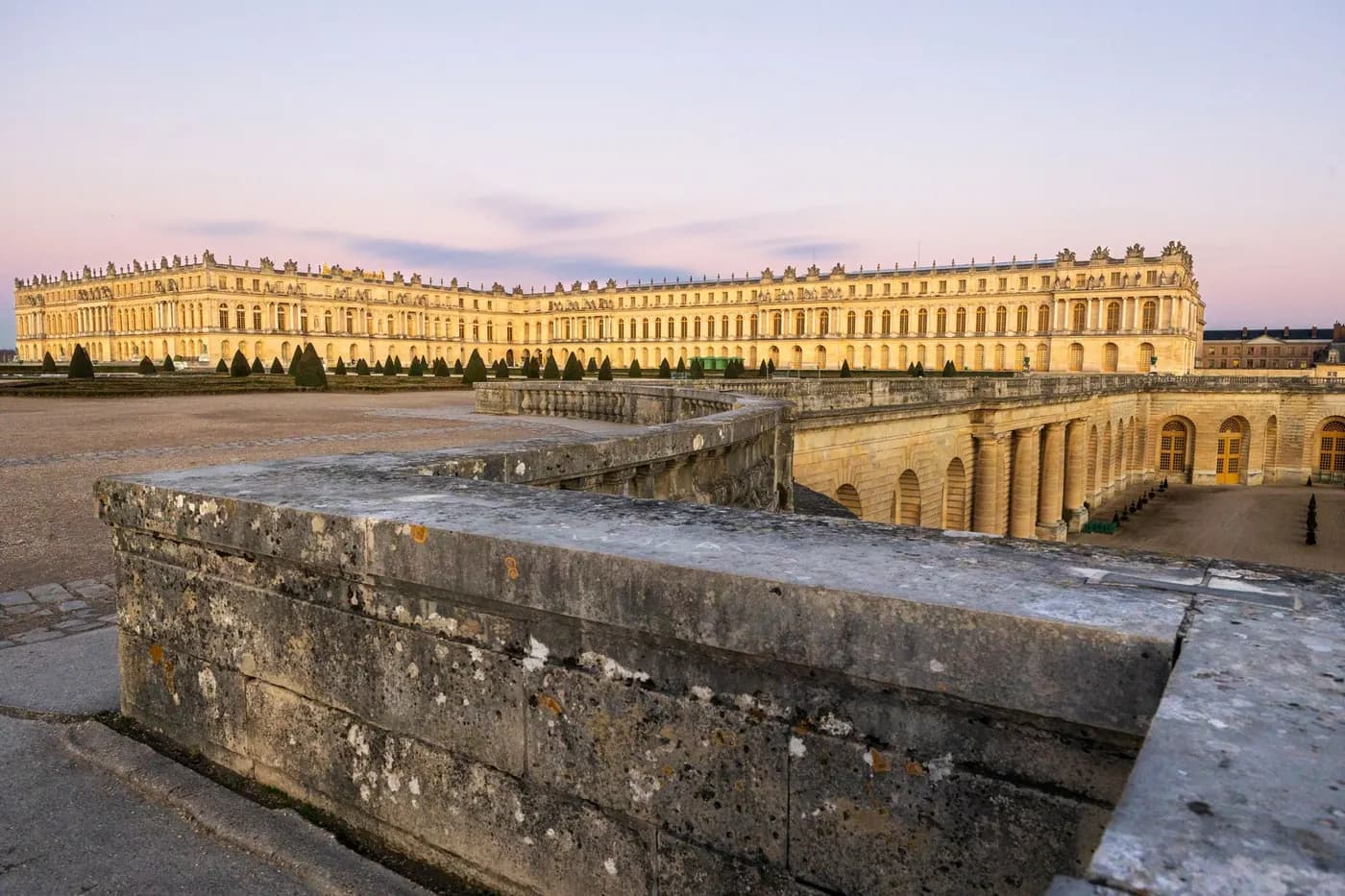
A shared evening matters to a group of this size. Options include a seated dinner in a large private space, a cruise on the Seine with several boats operating in parallel, or a gala in a palace outside Paris such as Versailles, accepting the longer transfer. The more ambitious the setting, the more constraints on capacity, caterers and timings, and the earlier the booking must be made.
For activities, choose formats that scale. A city rally by sub-group, a treasure hunt with a common finish, or a series of workshops that run in parallel all allow 300 people to take part at once. Formats based on a single guide or a single table do not. Whatever the format, keep a documented plan B for bad weather.
Staffing, communication and contingency
Large groups are held together by communication. Agree a single channel for participants, whether a messaging app, an event application or printed daily cards, and a separate channel for the operations team. Provide each sub-group host with a printed timeline, a list of participants and an emergency contact. A control room or at least a duty phone allows one person to take decisions when something changes.
Typical points to prepare:
- A manager on duty throughout the stay, with authority to reallocate coaches or reorder the day.
- A medical and incident protocol, with the nearest emergency services and pharmacies identified for each site.
- A list of dietary requirements and accessibility needs per sub-group, handed to each venue in advance.
- A rehearsal of the first and last day, including the airport transfers, because these are the most exposed moments.
- A plan for strikes or severe weather, discussed with the DMC before departure.
The French DMC manages groups from a few dozen to over a thousand participants, and can share a draft organisation chart and timeline for your event once we know your dates and profile.
Domande frequenti
How many coaches do we need for 300 people?
A standard coach seats around fifty, so at least six, plus a standby vehicle. The exact number depends on the vehicles available and on luggage. Your DMC will confirm it per stage.
Can 300 people stay in a single Paris hotel?
It is uncommon in central Paris. Using two or three neighbouring hotels of equivalent standard is usually more realistic. Hotels near business districts such as La Défense may offer larger blocks.
Where can 300 people dine together in Paris?
Options include hotel ballrooms, large private spaces, event venues and some monuments, each with its own capacity and conditions. Also consider a Seine cruise with several boats, or a gala outside Paris.
How early should we plan a group of 300 in Paris?
Nine to twelve months ahead is prudent, particularly for spring and autumn, because hotel blocks and large venues are limited. Earlier contact also gives more options for private sites.
The French DMC · Aggiornato