Why a single price per person is misleading
Buyers often ask for a cost per delegate. It is a useful shorthand, but it hides the variables that matter: the length of the stay, the category of hotel, the number of working sessions, the distance covered by coach and the weight of the evening programme. A two-day board meeting for thirty people in a four-star hotel and a three-day convention for three hundred with a gala dinner in a château are not comparable on a per-head basis.
A realistic seminar budget in France starts from indicative ranges. The figures below are indicative ranges drawn from market practice, not offers. They change with the year, the season and availability, and should be confirmed by a written quotation. Unless stated otherwise, think in euros before VAT, and ask each supplier to state clearly whether service, city tax and VAT are included.
A good method is to build the budget from the top: define the objective and the number of participants, decide the level of comfort, then allocate the budget by item. This avoids the common situation in which the accommodation absorbs most of the money and the programme is compressed at the last minute.
Accommodation and meeting space
Accommodation is usually the largest single item. Indicatively, a business-oriented three or four-star hotel in a regional city may be quoted at roughly 120 to 220 euros per room per night in standard periods, while four and five-star hotels in central Paris or on the French Riviera in peak season can be considerably higher, sometimes several hundred euros. Palaces and top-tier resorts sit above these ranges. Breakfast is sometimes included and sometimes not, and the city tax is added per person and per night.
For meeting space, many hotels and venues sell a day delegate rate, which typically covers the room, basic equipment, coffee breaks and lunch. Indicative ranges are around 60 to 130 euros per person per day depending on the city and the venue; specialised congress centres and private venues are usually priced differently, by room hire plus catering.
Two points deserve attention. Peak periods, such as trade fairs, fashion weeks or the festival season in Cannes, can double the price of the same room and reduce availability sharply. And hotel blocks are generally subject to an attrition clause, which limits how far you can reduce the number of rooms without penalty.
Dinners, gala evenings and activities
Food and beverage and the evening programme shape the memory of an event, and their cost varies more than any other item. A working dinner in a restaurant or hotel may start at around 60 to 100 euros per person with wine; a gala dinner in a château or a private monument, including exclusive caterer, staffing, decoration and lighting, is more often in the range of 150 to 350 euros per person or higher, before venue hire. Music, entertainment and technical production are added on top.
Activities follow the same logic. A guided cultural visit or a cooking class is generally accessible; a private after-hours visit of a major museum, a helicopter transfer or a sailing day for a large group falls in a higher bracket. Team-building days commonly range from the double digits to a few hundred euros per person depending on format and group size.
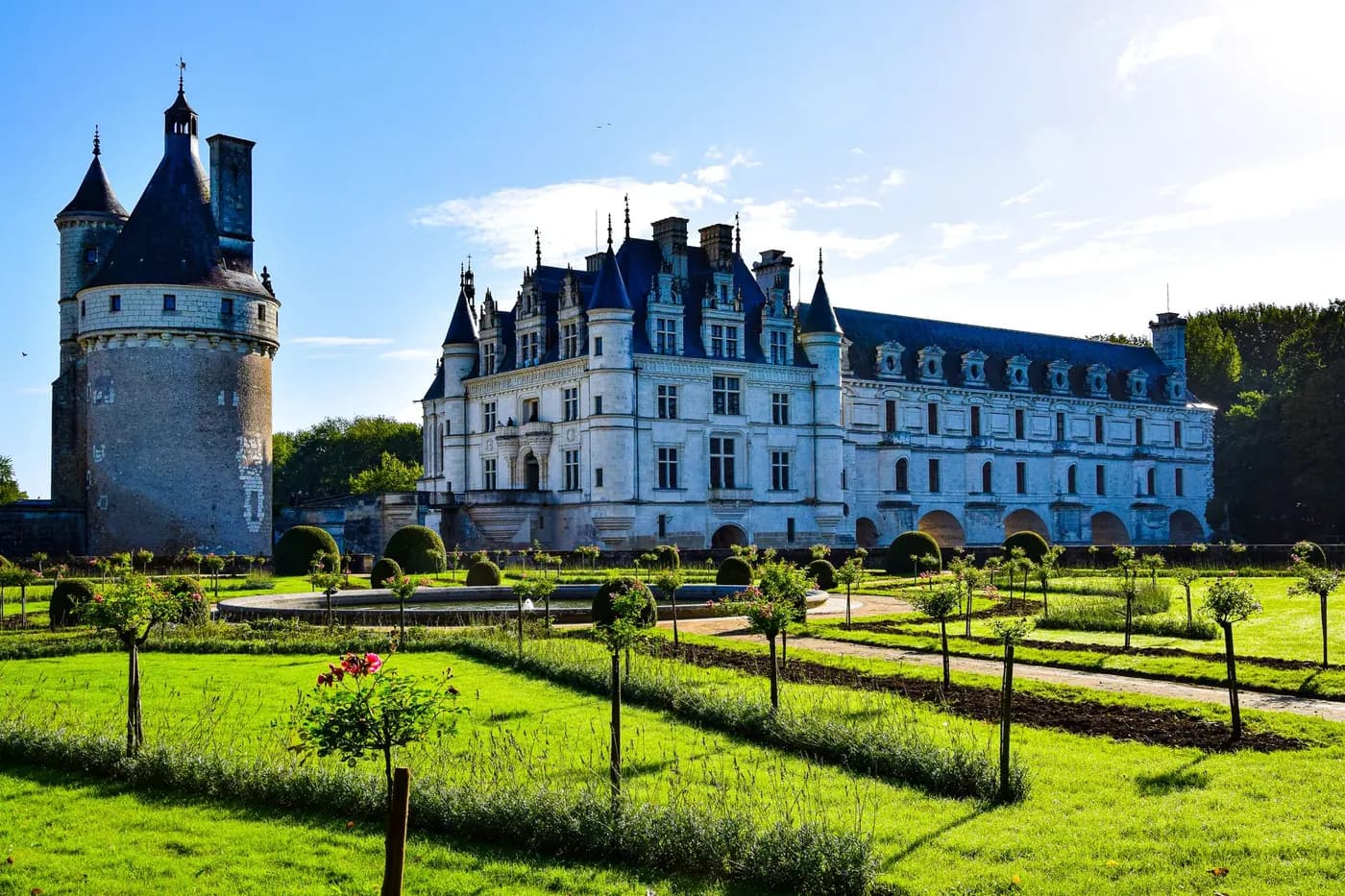
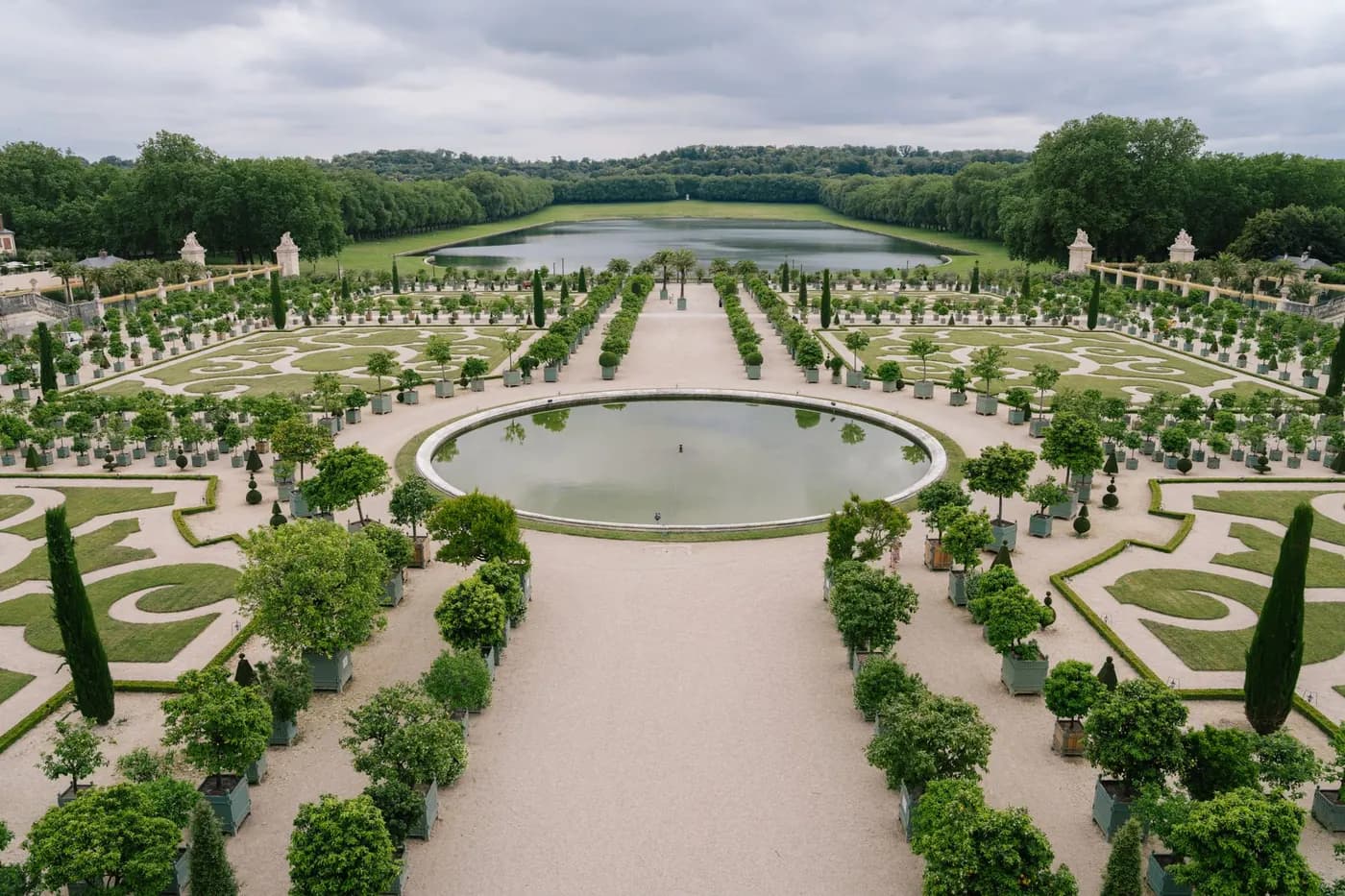
Our activities pages give a sense of the formats available, for instance the château gala dinners in the Loire Valley and at Versailles. For each, ask what the price covers: venue, caterer, staff, drinks, music licence, transport and insurance are frequently separate lines.
Transport, staffing and the hidden lines
Ground transport is easy to underestimate. A private coach with driver is commonly quoted per day or per half-day, with a minimum, and the cost depends on capacity, region and driver hours regulations; as a broad indication, a full day for a standard coach is often in the range of several hundred to over a thousand euros. Airport and station transfers, luggage handling and shuttles between hotel and venue add up quickly in a multi-site programme. Rail travel between cities, such as by TGV, is often more economical and more reliable than short-haul flights for distances of up to about three or four hours.
Then come the lines that rarely appear in a first estimate: on-site agency staff and hosts, interpreters, security and cloakroom staff imposed by some venues, audio-visual equipment, signage and welcome gifts, insurance, and the agency's own fees.
A prudent budget keeps a reserve. A contingency of roughly 5 to 10 per cent covers changes in numbers, an additional transfer or a late request without forcing a renegotiation.
How to compare quotations fairly
Request that each proposal use the same template. At a minimum, align the following points: the number of participants and nights, the hotel category and board basis, the inclusion of service and city tax, the VAT treatment, the opening hours of the venues and the duration of each activity, the transport capacity, and the cancellation scale.
Season is the most powerful lever. A seminar placed in November or March rather than June can lower the cost of accommodation and venues while keeping the same quality, and several regions, such as the Loire Valley, Alsace or the Basque coast, are very attractive outside the summer. Midweek dates are generally less expensive than weekends in leisure destinations and the reverse in business cities.
Finally, define what you are not willing to compromise: a central hotel, a private dinner, a particular speaker venue. Everything else can be adjusted. If you share your dates, group size and priorities, we can return an outline with ranges and the assumptions behind them, which is a more reliable starting point than any average figure.
Domande frequenti
How much does a two-day seminar in France cost per person?
There is no reliable average, because the result depends on the city, the season and the level of comfort. As a rule, accommodation, a day delegate rate for the meeting room and one dinner already make up most of the budget; a written quotation based on your dates is the only dependable figure.
Is it cheaper to hold a seminar outside Paris?
Often yes for accommodation and venues, particularly in regional cities and outside peak seasons. Transport costs and the number of transfers should be included in the comparison, as they can offset part of the saving.
Are VAT and city tax included in the prices we receive?
Not necessarily. Professional quotations are often expressed before VAT, and the city tax is normally charged per person and per night. Ask each supplier to state it explicitly so that proposals can be compared.
What contingency should we keep in the budget?
A reserve of roughly 5 to 10 per cent is prudent for changes in numbers, additional transfers or late requests. For complex programmes with several sites, the higher end of the range is advisable.
The French DMC · Aggiornato