Choosing the château for the evening
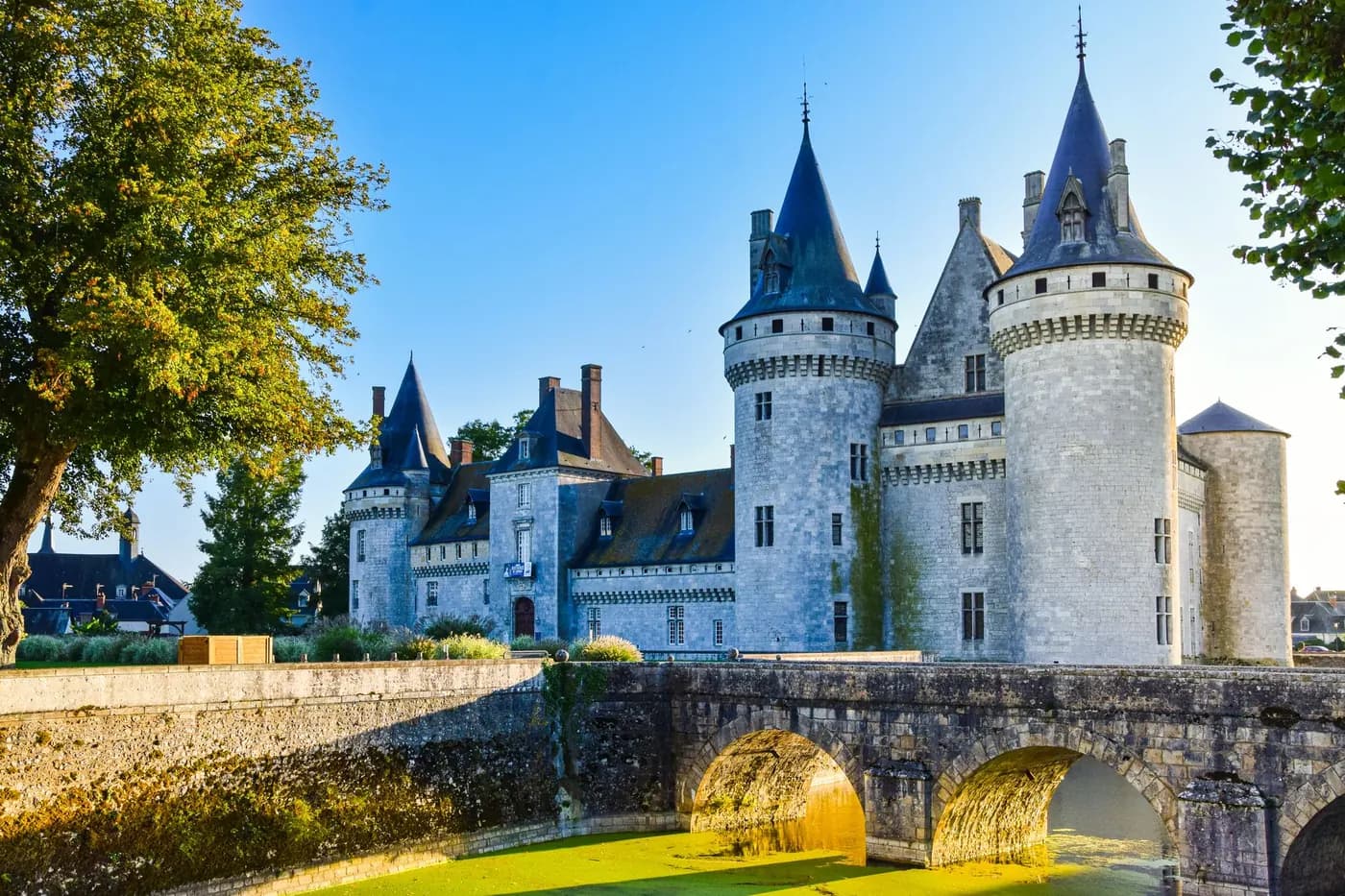
The setting should match the tone of the evening. A grand royal château suggests ceremony and scale; a smaller manor in the Loire or near Paris suggests intimacy and conversation. Before falling for a facade, ask what the building can actually do for a dinner: which rooms can be used, how many guests each holds seated, where the service flows, and what the conditions of hire are.
Some châteaux are hotels, which simplifies matters considerably. Guests stay on site, there is no transfer after dinner, and kitchens and service staff are already in place. Others are monuments rented by the evening, where the caterer, the lighting and the furniture arrive with the event and leave the same night. Both formats can be superb; they simply call for different budgets and different planning horizons.
Finally, consider access. A château forty minutes from the hotel means a coach journey in each direction and an evening that begins and ends with transfers. If your group is large, it is worth comparing a site with a longer drive but a stronger setting against a closer one that allows a later finish.
The kitchen, the caterer and the menu
The most decisive practical question is where the food will be prepared. Historic buildings rarely have a kitchen suited to hundreds of covers. The usual answer is a temporary kitchen set up by the caterer in an outbuilding, a courtyard tent or a service wing, with dedicated power, water and refrigeration. This is standard practice and it works well, but it requires space, access for delivery vehicles and, in some cases, permission from the site.
Many châteaux also impose a list of approved caterers. If so, ask to see it, and ask the caterers for sample menus at the standard you expect. If there is no list, your DMC can propose caterers with experience of the site, which matters more than a general reputation.
On the menu itself, a gala dinner is usually served in three or four courses with a precise service time. Plan for dietary requirements from the outset, including vegetarian, halal and allergen-free options, and ask guests for them at registration rather than on the day. Seasonal products and regional dishes tend to be more convincing than a long, ornate menu. Simplicity executed precisely is what guests notice.
Wine, service and the rhythm of the evening
Wine is part of the story, especially when the château sits in a wine region. A pairing from nearby estates, introduced briefly by a sommelier, adds a sense of place without lengthening the evening. Agree the wine list in advance, including quantities per guest, the service temperature and the arrangements for non-alcoholic pairings. Wine from the region of the château is often the most coherent choice.
Rhythm matters as much as the menu. A typical structure is an arrival drink in a garden or gallery, a seated dinner of two to three hours, a short speaking slot placed between courses and not after dessert, and then music or a digestif in a separate space. Plan speeches carefully: they are easier to hold in a quiet room before the main course than at midnight.
Service staff should be briefed in the language of the guests where possible. Ask the caterer how many servers are planned per table, how plating is organised for a large room, and who calls each service on the timeline.
Music, lighting, weather and the quiet constraints
Several details are easy to overlook and difficult to fix on the day.
- Music. Live or recorded music in France generally involves licence fees to rights societies; your DMC should include them in the quotation. Many sites also limit amplified sound after a set hour.
- Lighting. Historic interiors are often dimly lit. Architectural lighting that does not touch the fabric of the building is usually permitted, but must be approved by the site in advance.
- Weather. A garden aperitif needs a covered alternative, such as a gallery or a marquee, with the decision time agreed in advance.
- Curfews and neighbours. Some estates have fixed finishing times or noise limits agreed with local authorities.
- Accessibility. Cobbled courtyards, stairs and gravel paths affect guests with reduced mobility; ask the site about alternative routes.
- Coaches and parking. Drop-off points, turning space for large coaches and the last departure time should be set before the invitation is sent.
Each of these points looks minor in isolation, but together they separate an evening that appears effortless from one that visibly improvises.
A timeline to work back from
Working backwards from the evening, a practical sequence looks like this: confirm the château and date many months ahead; select the caterer and agree the menu in outline; carry out a site inspection with the caterer and technical teams; finalise numbers, dietary requirements and seating; confirm transport and the evening timeline; hold a technical run-through on site before the guests arrive.
Even a well-organised dinner benefits from a dedicated coordinator on the night, who holds the timeline and speaks to the caterer, the musicians and the coach operator in real time. Our team can propose château options, with kitchen arrangements and conditions explained, for your dates and group size.
よくあるご質問
Do châteaux have their own kitchens for a gala dinner?
Some château hotels do, but many historic buildings do not. In that case the caterer sets up a temporary kitchen in an outbuilding or tent. Ask the venue what is permitted and what access is available.
How many guests can a château host for a seated dinner?
It depends on the room, the layout and safety rules, and it differs for each site. A seated dinner holds fewer guests than a standing reception. Request the capacity by format in writing from the venue.
When should we book a château for a gala dinner?
Several months ahead is prudent, and longer for large groups or popular dates in spring and early autumn. The venue will usually want a confirmed date and headcount before committing.
What happens if it rains?
A covered alternative should be planned, such as a gallery, a marquee or an indoor room, with a decision time agreed with the venue. It is part of the programme, not an afterthought.
The French DMC · 更新日