Start from the arrival time, not the agenda
Group travel to France from distant origins starts with the clock. Teams flying in from Asia, the Americas or the Gulf arrive at very different hours, and the arrival time shapes every decision that follows. Paris runs on Central European Time, and the gap with the main origins changes twice a year. Singapore and Beijing are six hours ahead of Paris in summer and seven in winter, Tokyo is one hour further ahead, and New York is six hours behind for most of the year. Dubai is two hours ahead in summer and three in winter, while São Paulo is four to five hours behind.
Long-haul flights from Asia often land in the morning, and flights from North America can arrive early in the morning or in the afternoon, depending on the route. Build the plan from the actual flight schedules and from the time each traveller will reach the hotel, not from a generic arrival slot. Ask the group to share flight numbers and ticket times several weeks before departure, and keep a contact list for the day.
Jet lag: what the schedule can and cannot change
Jet lag depends on the direction of travel as much as on the number of hours crossed. Travellers from Asia fly westward to Paris, and most people adapt more easily to a westward shift, which lengthens the day. Travellers from the Americas fly east across the Atlantic and usually find the adjustment harder, because the body has to bring its sleep forward. A common rule of thumb is about one day of adjustment per time zone crossed, although individuals vary a great deal.
A schedule can reduce the effect but cannot remove it. Keep the first afternoon free, encourage daylight outdoors, suggest moderate meals and limited alcohol on the flight and in the first evening, and ask participants to speak to their own doctor before travelling if they plan to use sleep medication. For the organiser, the key point is that people who have just landed should not be asked to make decisions, approve budgets or deliver presentations on their first day.
Arrival day: plan a day with little on it
Most long-haul flights land at Paris Charles de Gaulle, but some carriers use Orly, so confirm the airport on each ticket. From Charles de Gaulle, the RER B line takes roughly 30 to 45 minutes to central Paris, while a road transfer can take from 45 minutes to well over an hour depending on traffic. For a group, a coach or minibus booked with flight tracking usually works better than separate taxis, because the driver can adjust to delays.
Arrange early check-in for the group, or at least a secure room for luggage and a place to freshen up. Serve a light lunch rather than a full programme. The arrival day should close with an optional evening: a short welcome drink or a simple dinner that ends by about 21:30. French restaurants often start service around 19:30 to 20:00, so request an earlier table if the group needs one, and confirm it in writing.
First-day design: what to schedule and what to leave out
The first day should be designed around recovery and orientation. A useful structure has three parts: a late-morning or early-afternoon period with no formal commitments, a welcome session of about forty-five minutes covering the purpose of the trip and practical logistics, and an informal dinner. The welcome session should not contain a strategy presentation, and its practical points should be sent in writing so that people who arrive late can catch up.
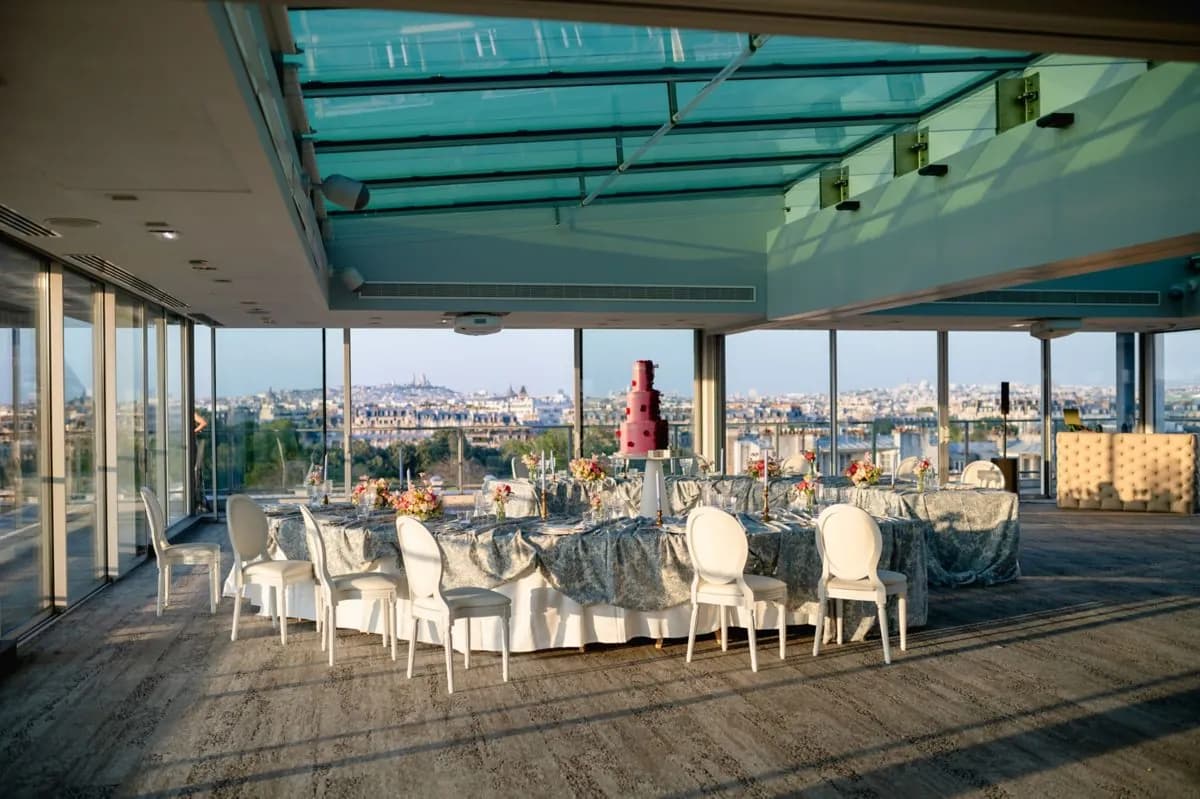
Avoid physically demanding activities on the first day, and avoid long walking tours in heat or cold. A short, low-effort activity, such as a rooftop drink or a guided walk of about an hour in a central district, gives people a sense of Paris without tiring them. Place the most demanding sessions on the second morning, when participants have had a full night's sleep, and keep the afternoons flexible so that people can rest or explore.
Days two and three: ease in before the work starts
Once the group has slept, the programme can take on more substance. Schedule the first working session for the morning of the second day, when energy is highest, and keep it to two or three hours with clear outputs. Lunch should be unhurried and end early enough for people to recover before the afternoon.
If the trip includes a second destination, the TGV makes regional travel practical. Lyon is about two hours from Paris, and Bordeaux is about two hours by direct train. Plan that transfer for a morning after the group has settled, not on arrival day, and allow time for luggage, the station and check-in at the new hotel. Keep at least one free evening in the programme so that participants can discover Paris on their own terms.
Practical details that cause problems
Check public holidays before fixing dates. In France, bank holidays such as 1 May, 8 May, Ascension, Whit Monday, 14 July, 15 August, 1 November, 11 November and 25 December can close offices and disrupt suppliers. Transport strikes are also possible and can affect airports, trains and the Paris metro, so keep a contingency for the arrival day.
Border formalities need time. The EU Entry/Exit System (EES) records biometric data at the external border and is scheduled to start on 12 October 2025, with a phased rollout over about six months. Participants from outside the EU may face longer queues at first entry during that period. Visa requirements vary by nationality. The Schengen short-stay visa fee for adults rose to 90 euros in June 2024, and processing takes time, so the visa check should start as soon as the programme is confirmed. The planned ETIAS travel authorisation is not yet in force and should be checked before departure.
Frequently asked questions
How should the arrival day be scheduled for a team flying from Asia or the Americas?
Keep it light. Plan a room for luggage or early check-in, a light lunch and an optional evening that ends early. Confirm arrival times with each traveller and book transfers that track flights, because delays are common on long-haul routes.
Which Paris airport should the group use?
Most long-haul flights land at Paris Charles de Gaulle, but some carriers use Orly. Confirm the airport on every ticket and book transfers accordingly. From Charles de Gaulle, the RER B line reaches central Paris in roughly 30 to 45 minutes.
Does jet lag affect the choice of programme?
Yes. Westward arrivals from Asia usually adapt more easily than eastward arrivals from the Americas. Schedule decisions and presentations for the second or third morning, and keep the first day free of commitments.
What should a company check before a group travels to France from outside Europe?
Check passport validity, visa requirements for each nationality and the status of the EU Entry/Exit System at the border. The adult Schengen short-stay visa fee is 90 euros since June 2024, and visa processing can take several weeks.
The French DMC · Updated