What privatisation means in practice
To privatise a monument is to rent it, or a defined part of it, for an event reserved to your guests. In most cases this takes place outside public opening hours: an evening visit followed by a dinner, a cocktail in a gallery, a private tour before the doors open. The scope varies widely. Some sites offer the whole building, others a single hall, a courtyard or a garden.
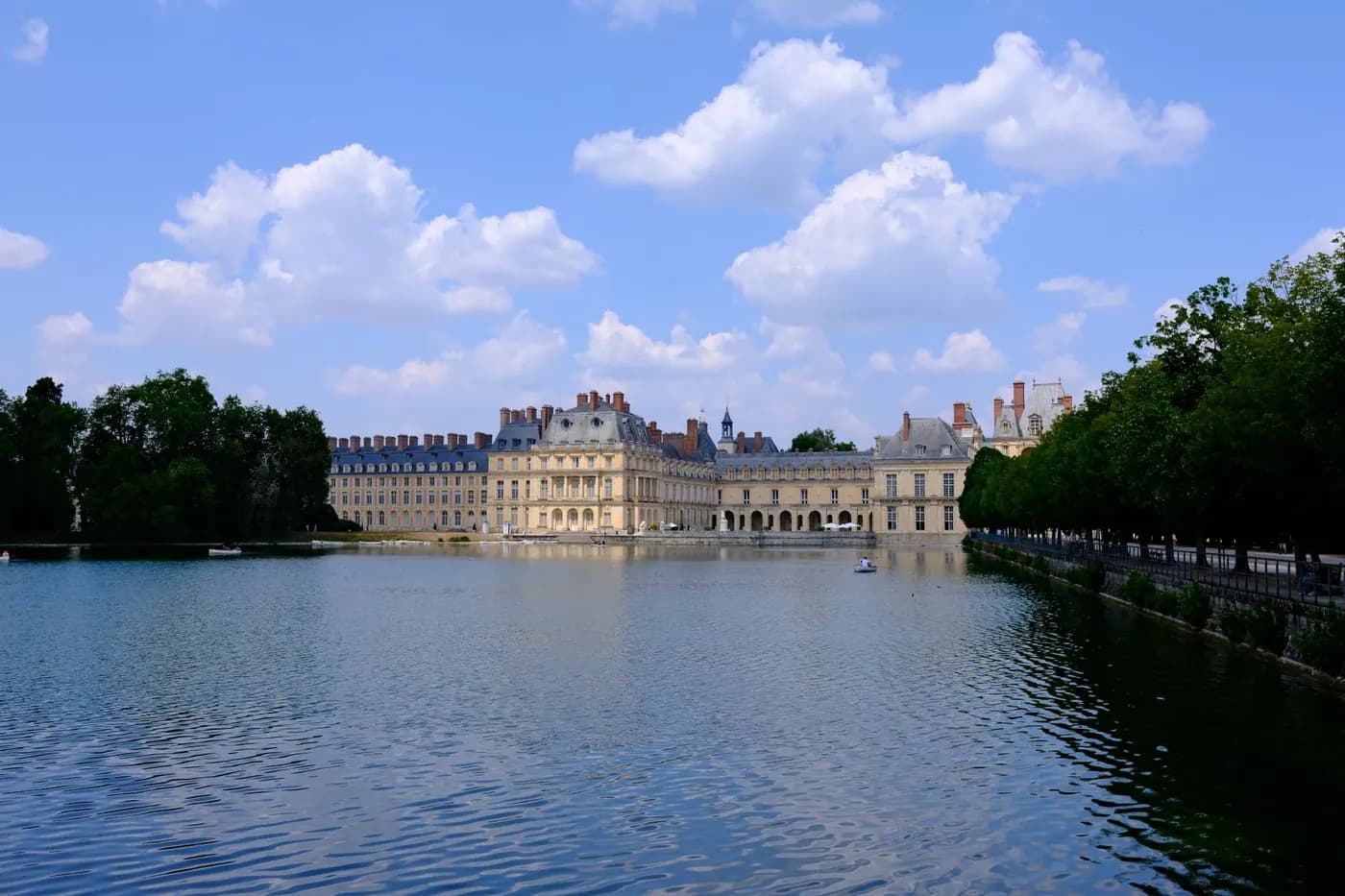
The sites themselves are of different kinds. National museums and palaces, city-owned buildings, historic houses owned by families or foundations, and religious or military heritage each have their own administrator and their own procedure. This is why there is no single price list or single process for France. A request to a major Paris museum and a request to a private château in the Loire will be handled by different teams, with different timelines and different sensitivities about what may happen on site.
It is also worth distinguishing a private visit from a full event. A guided visit after hours is simpler and often faster to arrange than a seated dinner, which requires service areas, kitchens or temporary facilities, and more extensive safety planning.
The steps, from first request to confirmation
The process is broadly the same from one site to another, even if the vocabulary differs.
- Define the request. Date options (at least two or three), expected number of guests, format (visit, cocktail, seated dinner), desired hours and any technical needs.
- Contact the site's events department. This is usually done through its private hire or events team; a DMC with an existing relationship can make the first approach more precisely.
- Receive the conditions. The site will describe the available spaces, capacity by format, the rental fee, mandatory services and the list of approved caterers or suppliers.
- Visit the site. An inspection with the technical and security contact clarifies access points, loading routes, kitchen possibilities and constraints on floors, walls and lighting.
- Obtain written confirmation. The convention or rental agreement sets the date, the spaces, the fee, the payment schedule and the cancellation terms.
Sites rarely hold a date indefinitely without a formal commitment. Be ready to decide within the period the site specifies, and keep alternatives open until you have signed.
Constraints you should expect
Monuments are protected places, and their conditions reflect it. Common constraints include:
- A maximum capacity per room, which differs between a standing reception and a seated dinner, and is set by safety regulations and conservation concerns.
- An exclusive or approved list of caterers, sometimes with the obligation to use the site's own supplier.
- Rules on food and drink: restricted areas for service, limits on red wine or on open flames, and the use of protective flooring.
- Limits on amplified music, lighting rigs, candles, staging and decoration, which must not touch the building fabric.
- Mandatory staff presence, such as site guards, security and technical agents, billed to the client, often with a minimum number of hours.
- Time slots for set-up and breakdown, which may be short, with all equipment to be removed the same night.
These constraints are not obstacles to a good evening; they are the conditions of access to places that are otherwise closed. The programme should be designed around them rather than against them. An experienced DMC will present the constraints early, so they are part of the budget conversation and not a surprise later.
Lead times, costs and what to negotiate
Lead times depend on the site and the season. For well-known sites near Paris, requests are commonly made many months ahead, particularly for spring and autumn evenings, and a longer lead time gives access to more dates. For smaller or private sites, shorter notice can sometimes work. We do not quote fixed times because they vary by site; ask each venue directly or through your DMC.
Costs have several components: the rental fee for the spaces, the mandatory staff, the caterer and technical services, insurance and sometimes a deposit against damage. Budgets are indicative until the site has confirmed its conditions in writing. Do not compare a rental fee alone; compare the complete cost per guest including everything that is compulsory.
Where there is room for negotiation, it usually lies in the day of the week, the season, the duration of the booking and the flexibility of the format. A Tuesday evening in winter is generally easier to obtain than a Friday in June. Offering alternative dates and a smaller footprint can open options that a fixed request would not.
Choosing between sites
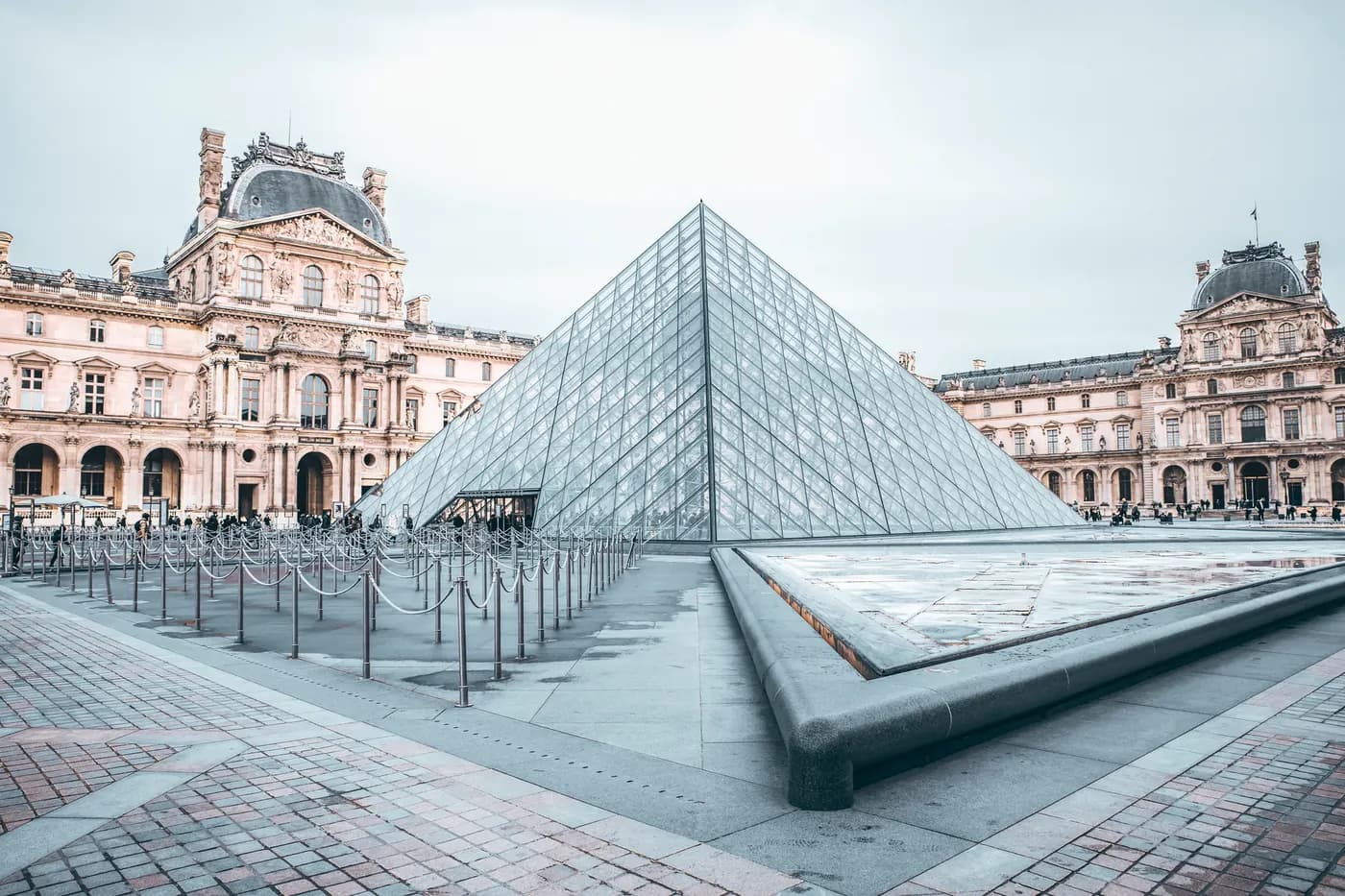
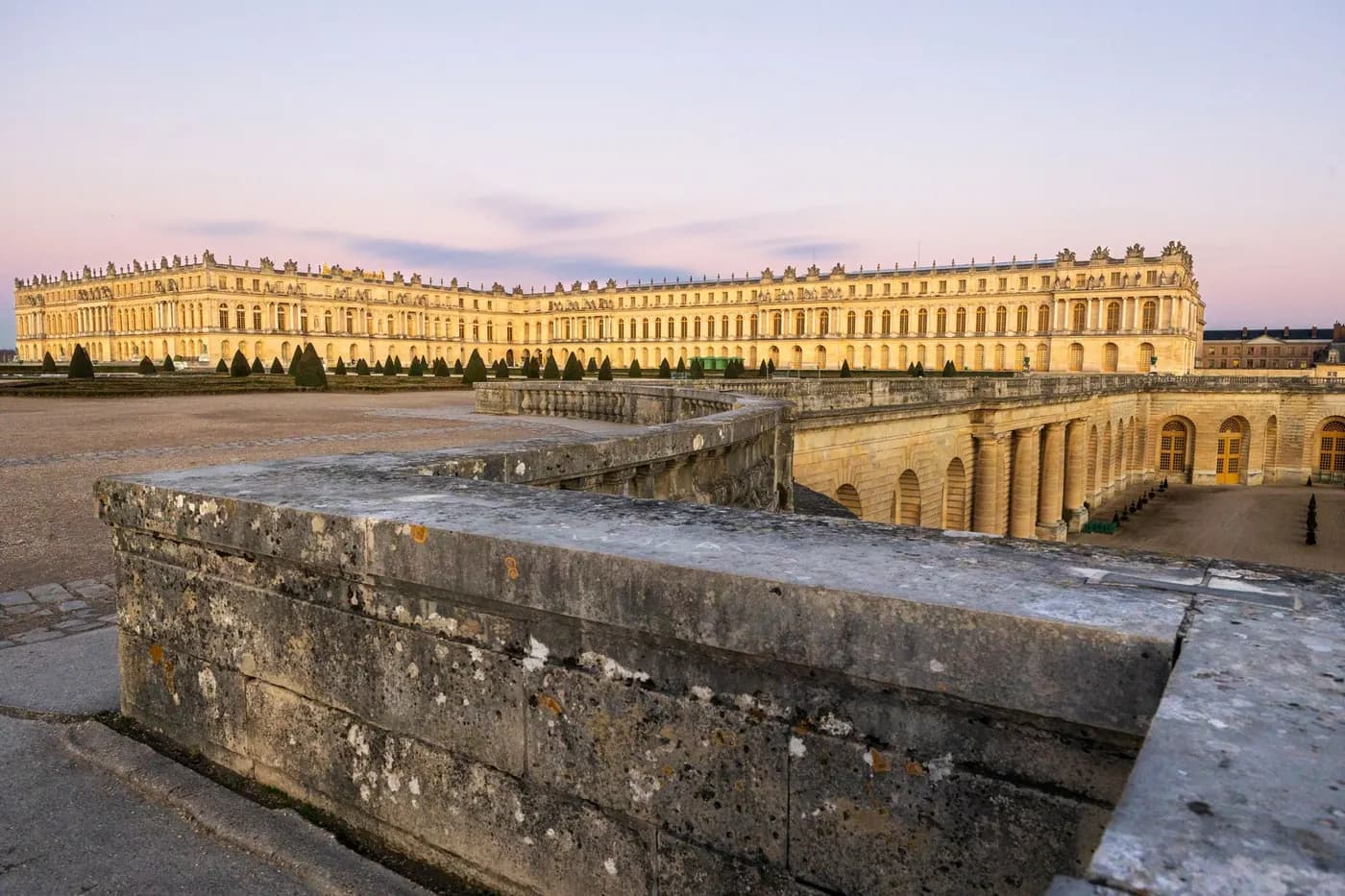
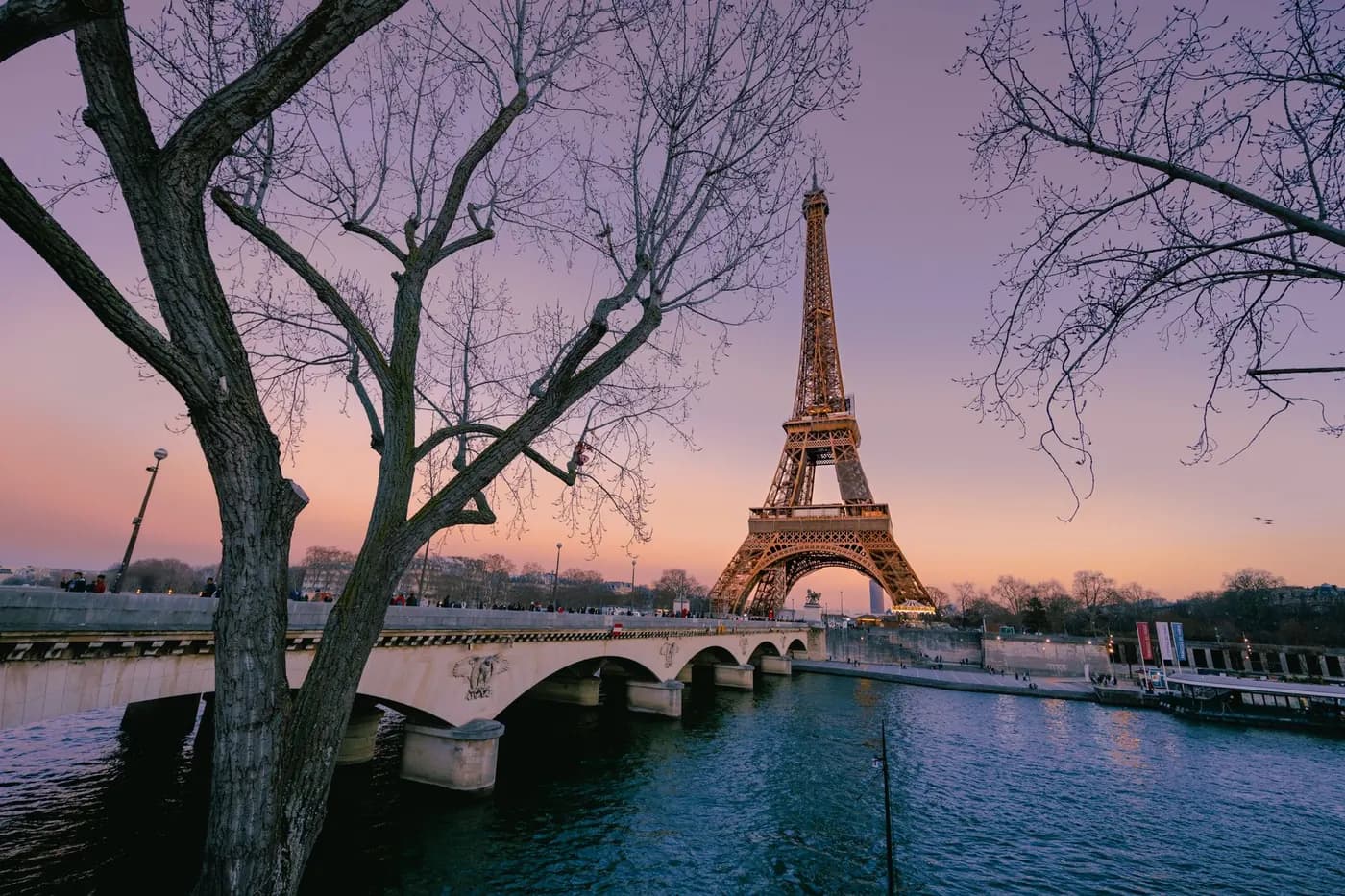
Once several sites are available, choose on the experience you want guests to remember rather than on the name alone. A palace outside Paris such as Versailles offers scale and a sense of occasion, at the price of travel time and a more structured process. A museum in central Paris offers art and proximity to hotels. An opera house provides a behind-the-scenes dimension. A smaller historic house can offer intimacy and flexibility.
Four questions help to decide: how many guests the space can honestly hold in the format you want, how guests will arrive and depart, what the evening will look like if it rains, and how the programme will use the site rather than simply occupy it. If you would like to see a range of private settings for your dates, our team can propose an outline with two or three options and the conditions attached to each.
Frequently asked questions
Can any museum or château in France be hired for a private event?
No. Many sites offer private hire, but not all, and each sets its own conditions, spaces and caterers. A DMC can tell you quickly which sites accept your format and group size.
How far in advance should we request a monument?
As early as possible, ideally many months ahead for well-known sites near Paris, especially in spring and autumn. A site normally needs a date, headcount and format before it can commit.
Can we bring our own caterer to a monument?
Often not. Many monuments require an approved caterer or their own supplier. Ask about this before fixing the menu or the budget, since it affects both.
What does a monument privatisation usually cost?
There is no standard price. The cost combines the space rental, compulsory staff, catering and technical services, and varies by site, day and season. Request written conditions from each site and compare the total per guest.
The French DMC · Updated