Why food brings teams together
Gastronomic team building is effective for a simple reason: food is a shared language that requires no particular skill. In a cooking class, a senior director and a junior analyst start from the same level, and the hierarchy of the office gives way to a more natural exchange. Each team produces something tangible, and the session ends with a meal that everyone has contributed to.
France offers an unusual density of such formats. The following six ideas are drawn from places and activities that we organise regularly. They differ in tone, effort and season, and the point is not to choose the most spectacular but the one that fits the group. A simple rule helps: favour formats where participants make or decide something, rather than only taste.
Ideas one to three: kitchens and pastry
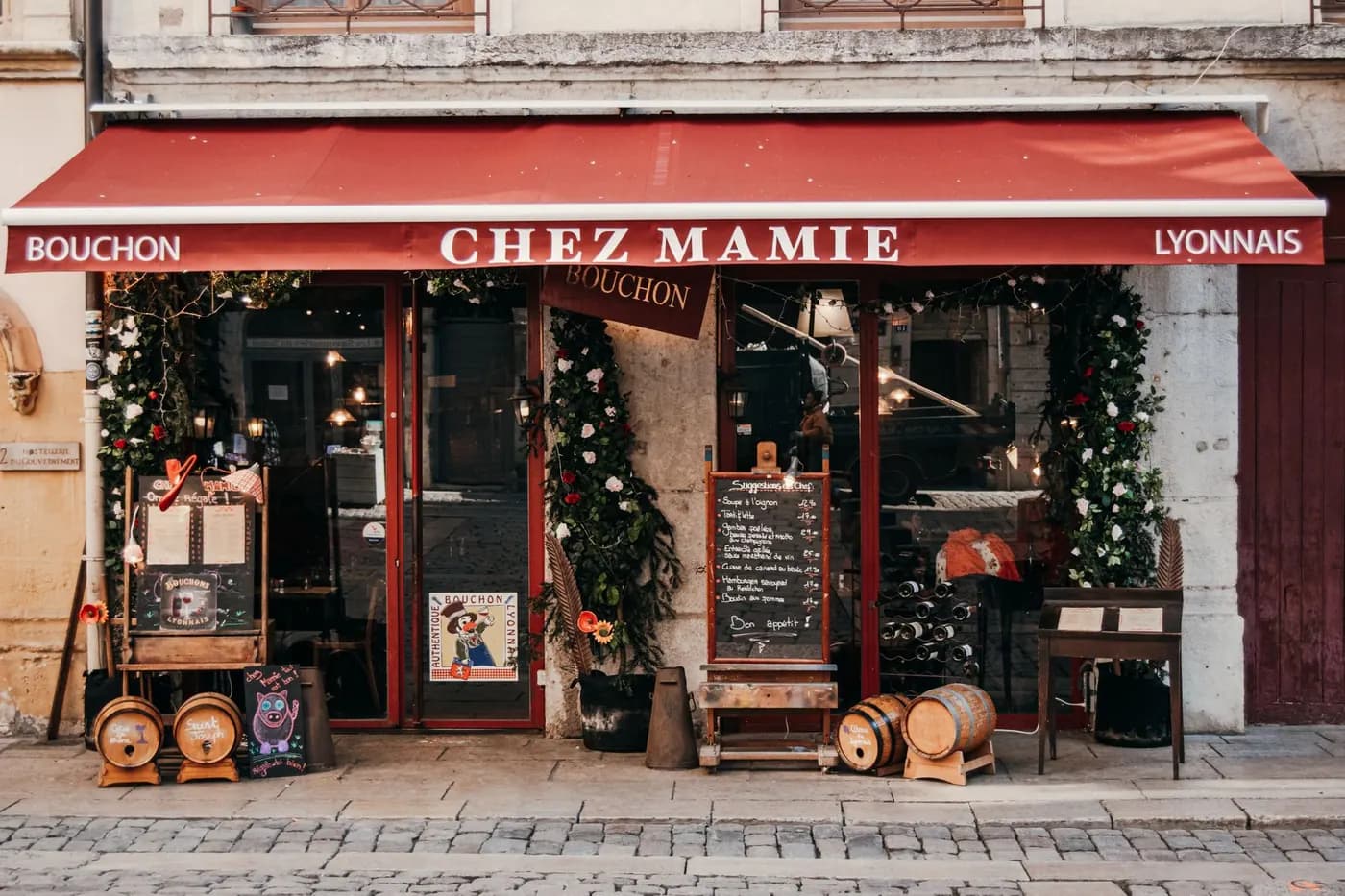
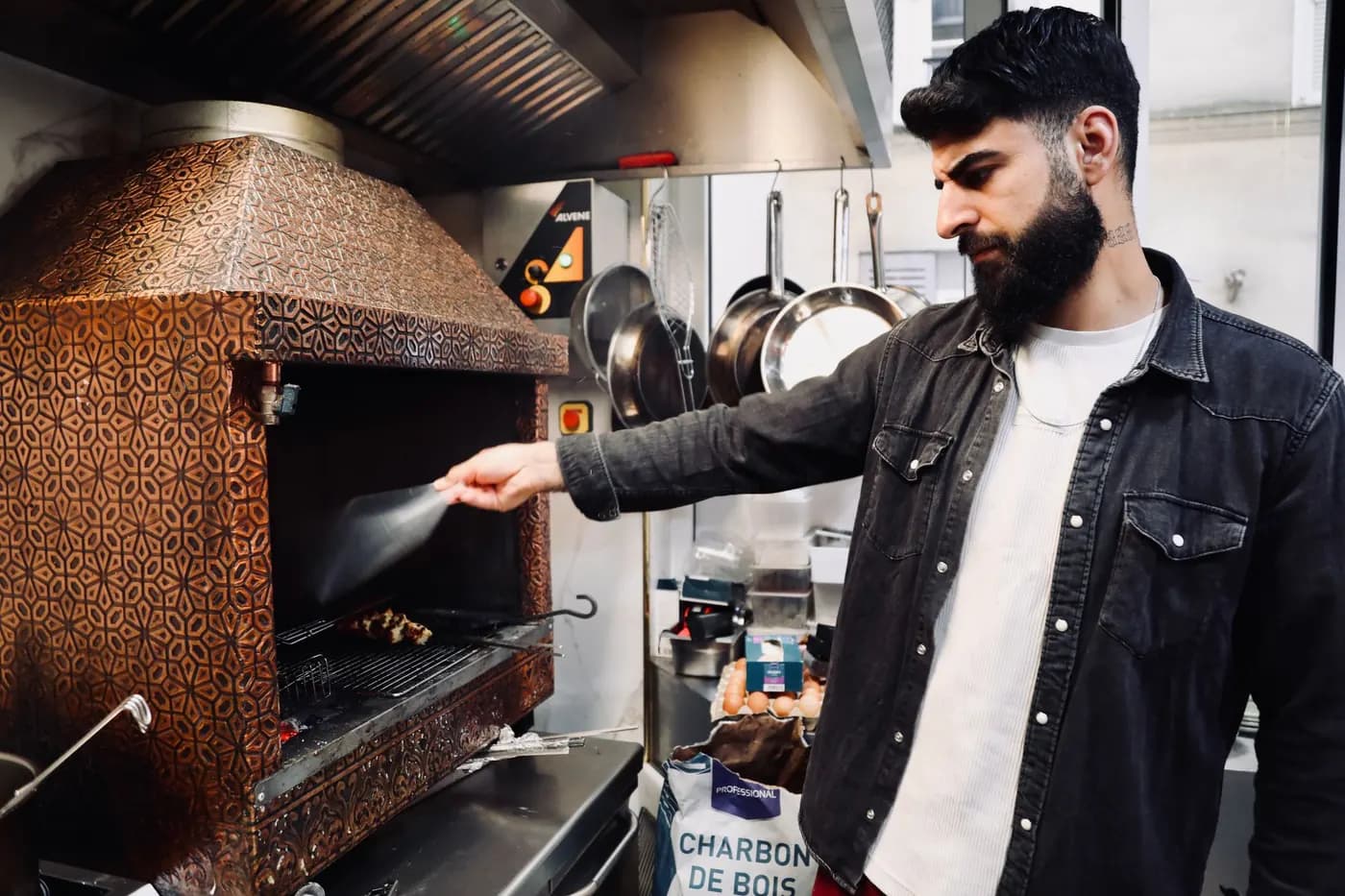
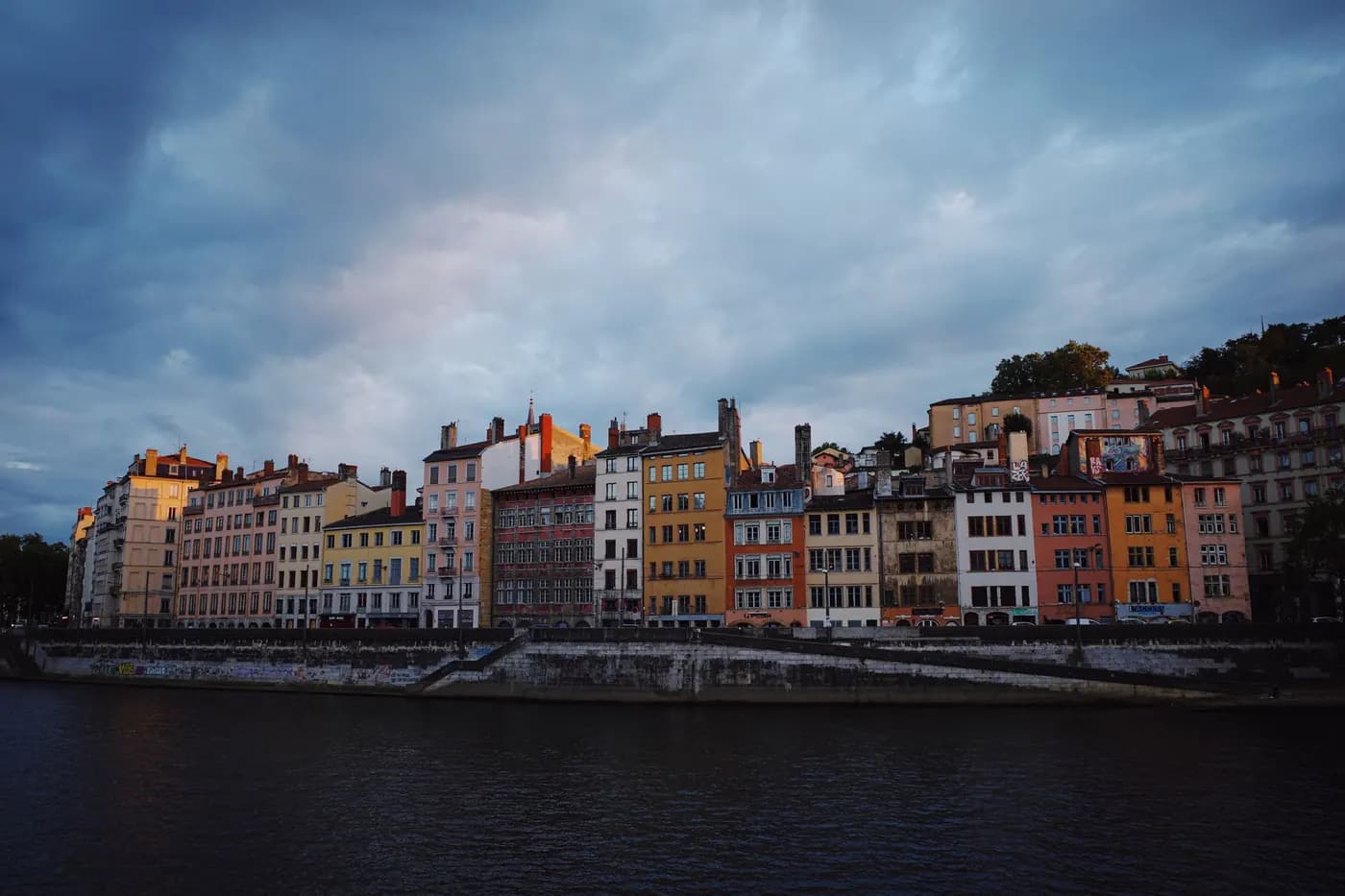
1. A bouchon cooking workshop in Lyon. Teams prepare dishes from the Lyonnais tradition under the direction of a chef, then eat together. The format is convivial, accessible and strongly tied to the city. It suits groups from twelve to many dozens, depending on the kitchen or the number of workstations.
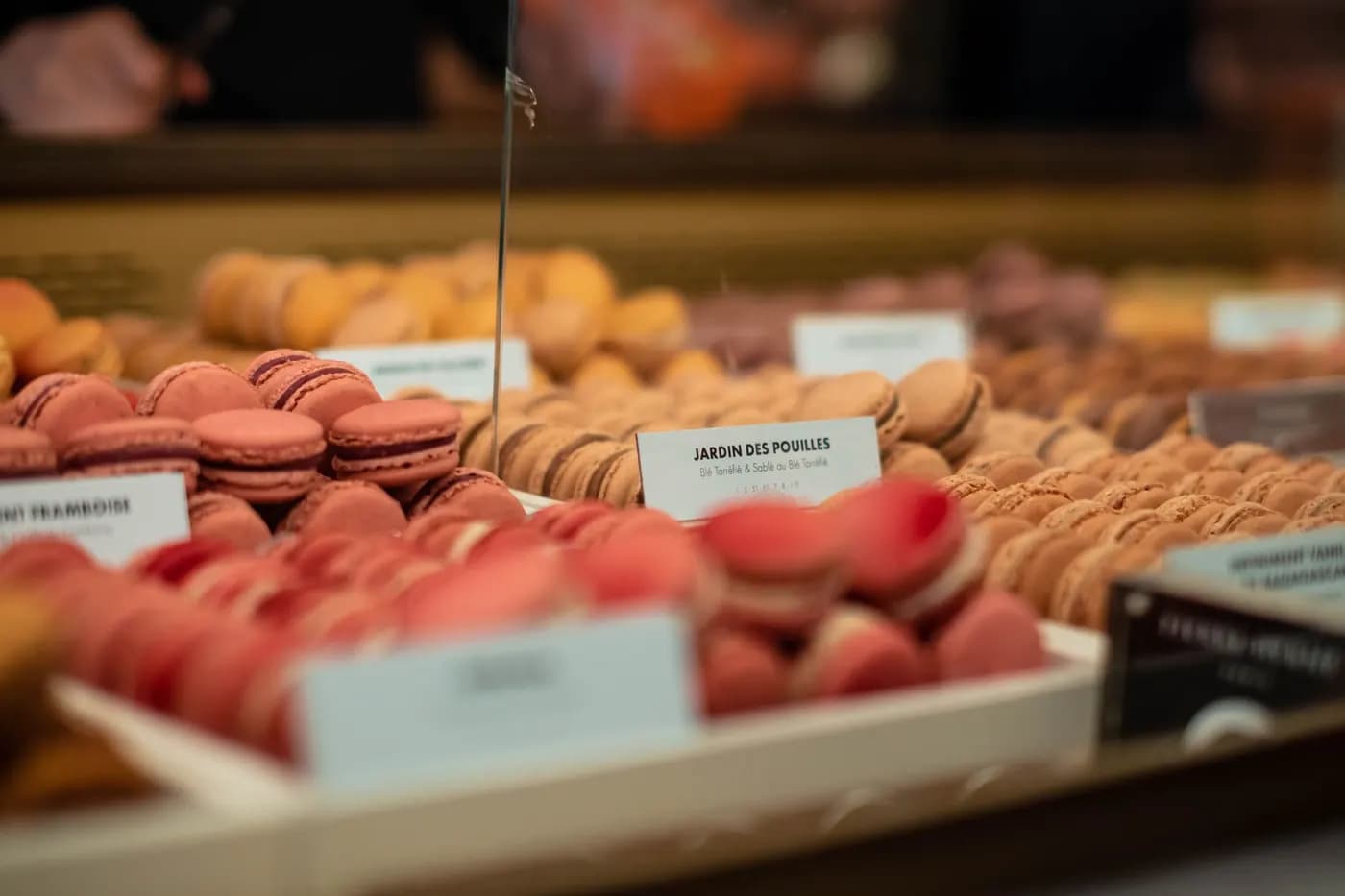
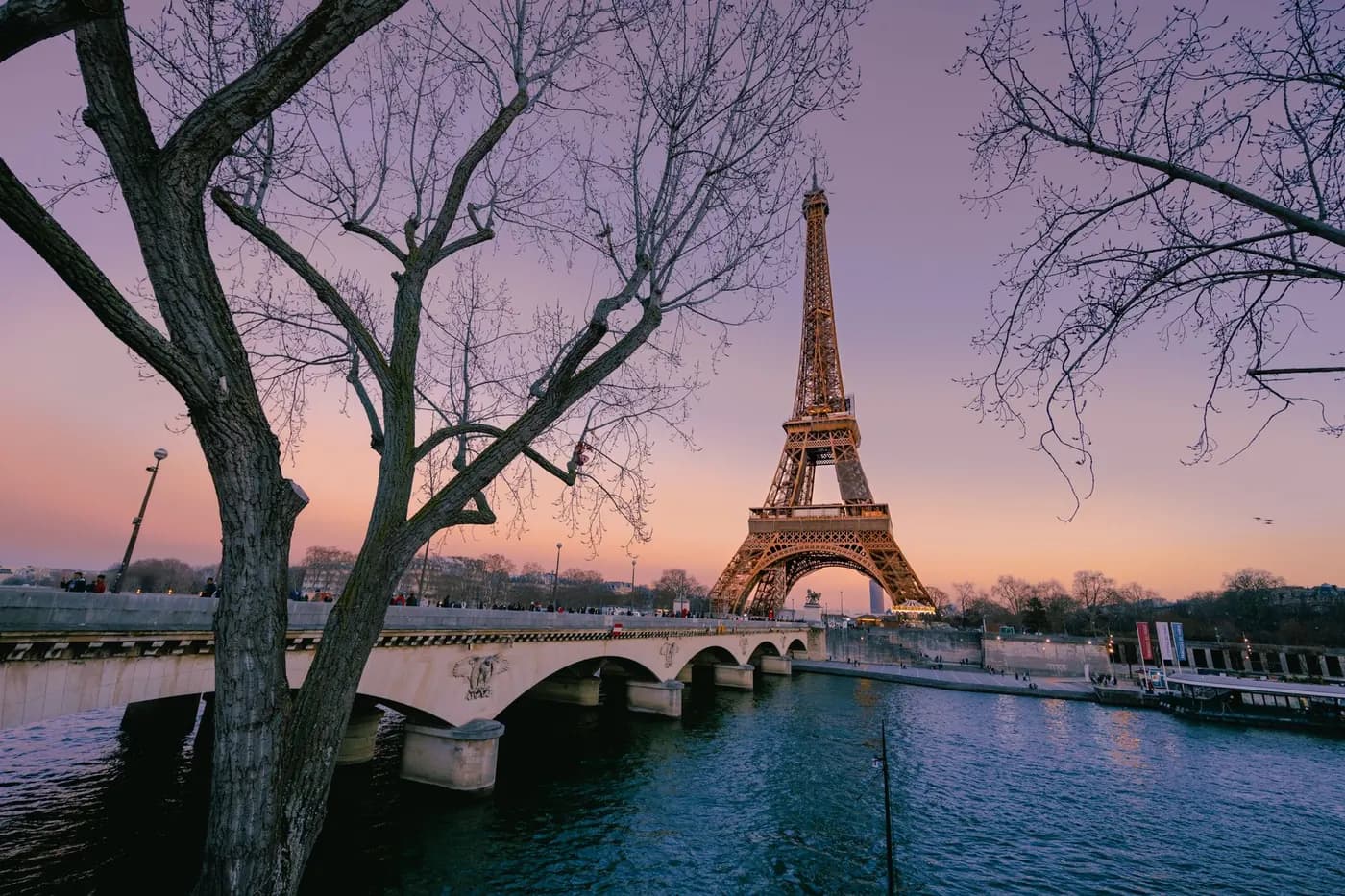
2. A pastry class in Paris. Choux, tarts and macarons demand precision and patience, which makes the session entertaining and a little humbling. Results are visible and edible, and the setting is a professional kitchen in the capital. A macaron workshop is a shorter alternative for groups with limited time.
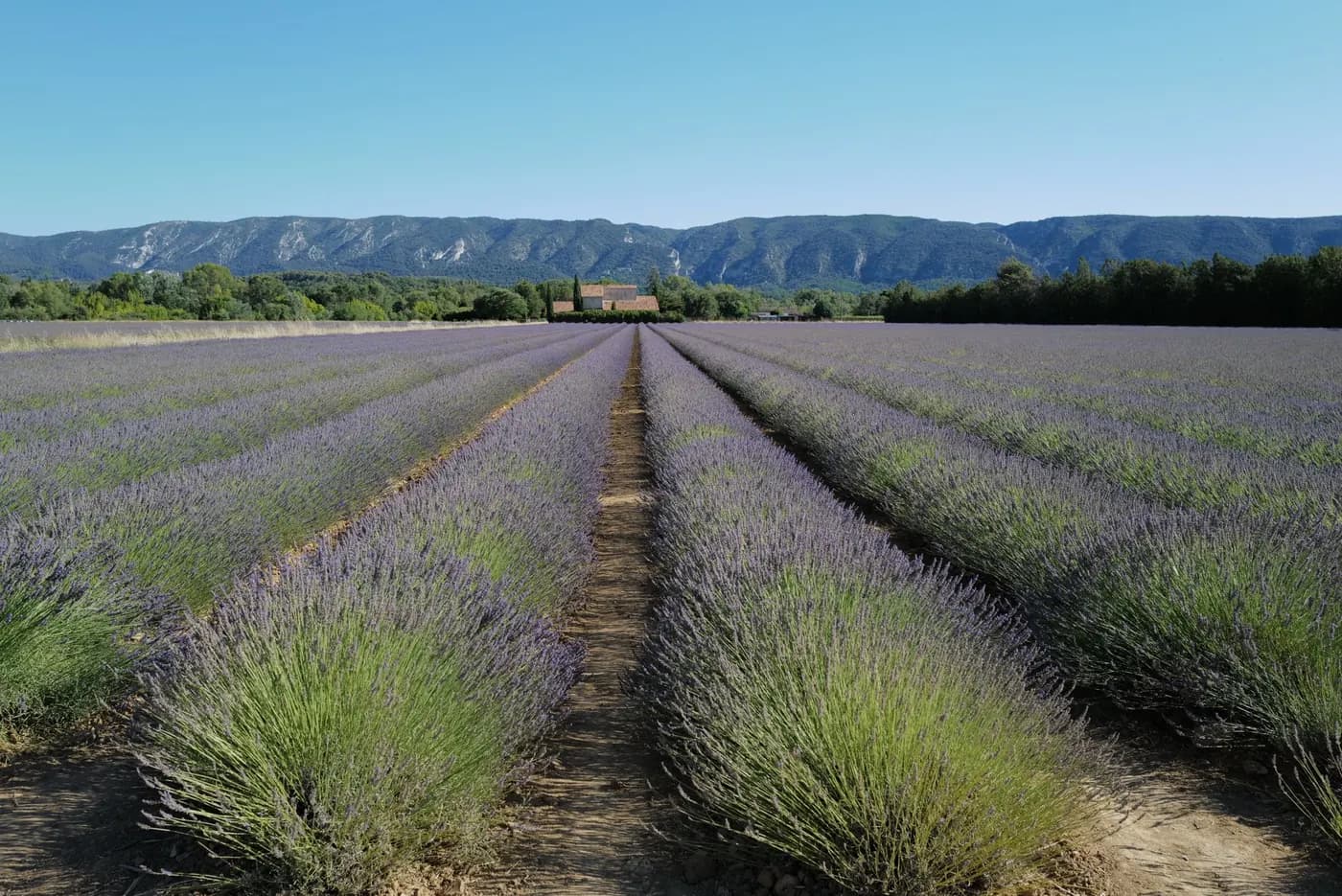
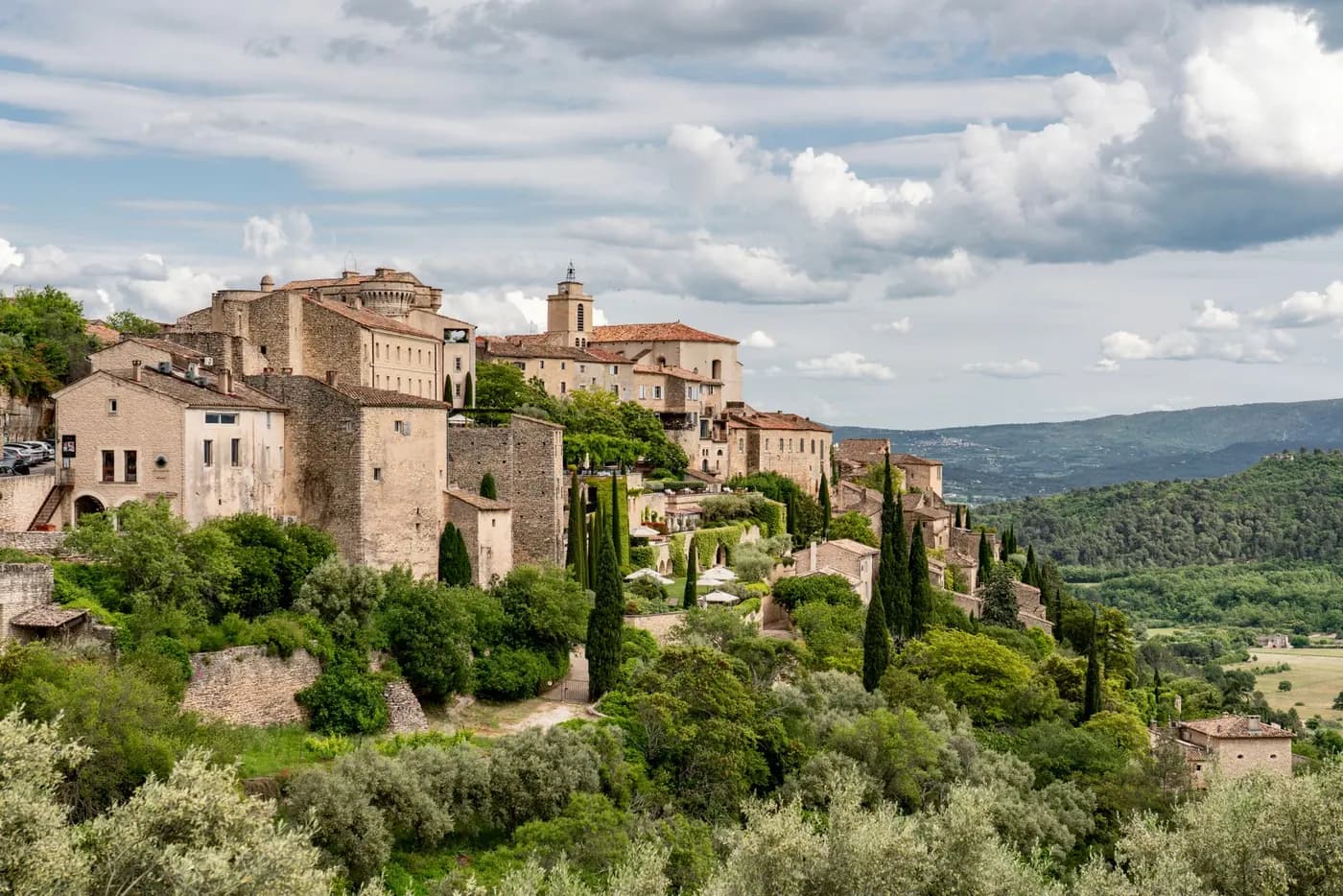
3. A market visit and cooking class in Provence. The day begins with a guided walk through a local market, where participants choose ingredients, and continues in the kitchen with a Provençal menu. It combines culture and cooking and works well in spring and summer, when produce is abundant.
For a more general offer, a cooking masterclass with an experienced chef can be organised in Paris or Lyon, with a competitive or collaborative structure.
Ideas four to six: wine, truffle and shoreline
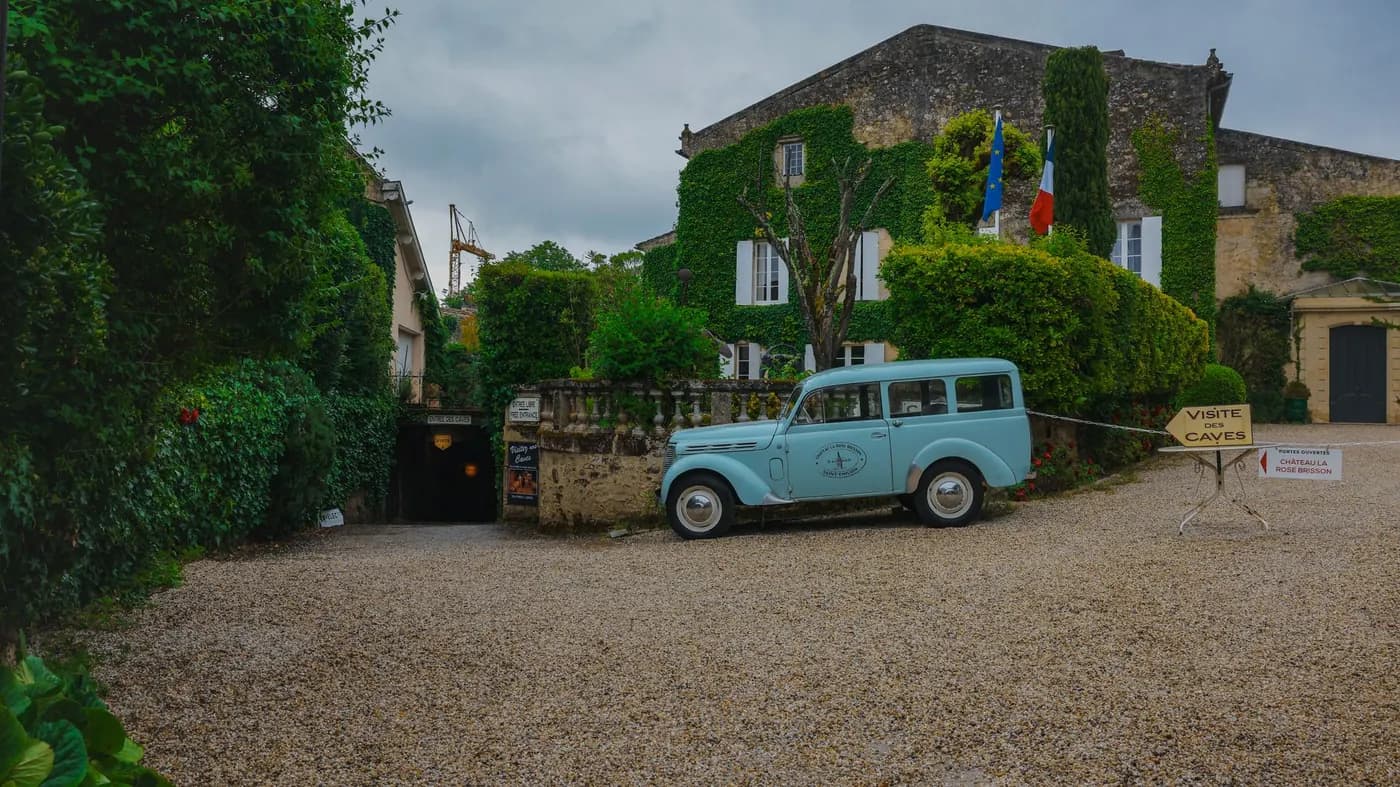
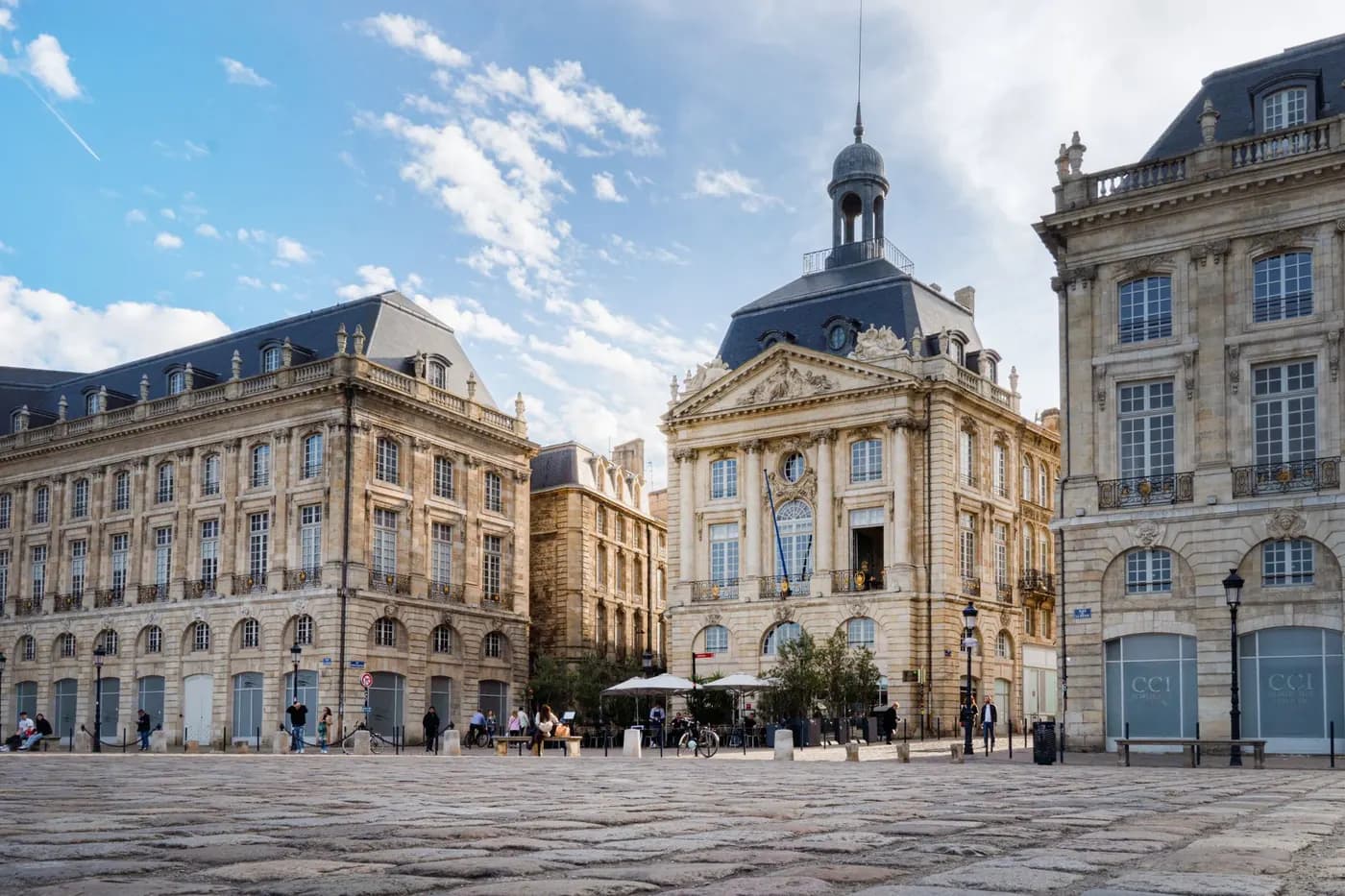
4. A blending workshop in Saint-Émilion. Teams receive separate wines and must compose a blend, then compare their choices with the estate's own. The task involves listening, negotiation and a decision under constraint, which makes it one of the most effective formats for a leadership team. The same principle applies in a Champagne cellar.
5. A truffle hunt in Provence or the Périgord. A guided walk with a truffle hunter and a dog, followed by a lunch built around the truffle, is a memorable half-day. The season for black truffle is in winter, so the format must be confirmed against the calendar, and a visit outside the season should be adapted rather than promised.
6. Shore foraging and seafood cooking in Brittany. At low tide, a guide shows the group how to look for shellfish and seaweed on the shoreline, and the catch is then cooked together. Timing depends on tides and weather, and participants need suitable footwear, but few formats are so directly connected to a place.
Choosing and running the format
Several practical questions decide the right choice.
- Group size: a cooking class has a ceiling set by the number of workstations, whereas a tasting or a blending session can be scaled with rotations.
- Dietary requirements: collect them before the session, including halal, kosher, vegetarian and allergies, so that the chef can adapt each recipe from the start.
- Alcohol: be clear about its role in the programme. Wine formats should include non-alcoholic alternatives of equal quality.
- Season and weather: markets, truffles and shore foraging depend on the calendar and the tide; kitchens and cellars do not.
- Duration: allow three to four hours for a cooking class including the meal, and a little less for a blending workshop.
Finally, decide how the session relates to the rest of the programme. Placed on the first evening, it breaks the ice; placed on the last, it becomes a celebration.
Small details that make the session work
The quality of these sessions rests on details that rarely appear in a programme. Mix the teams so that colleagues who already work together are separated; the aim is new conversations. Give each team a modest objective, such as a dish, a blend or a basket, and a short moment at the end to present it. Keep a light competitive element if the culture of the company welcomes it, and remove it if it does not.
Arrange the room and the timing so that no one waits idle, and plan the aprons, the language of the instructions and, if needed, an interpreter. A printed recipe or a short summary of the blend gives participants something to take home, and a modest group photograph at the end is usually more appreciated than a large number of individual ones.
Frequently asked questions
What group size works for a cooking class?
It depends on the number of workstations. Groups from twelve to several dozen can be accommodated in the right kitchen; larger groups are divided into rotations or several teams.
Can these activities accommodate halal, kosher or vegetarian diets?
Yes, if we know in advance. We pass requirements to the chef at the briefing stage so that recipes and ingredients are adapted from the beginning.
When is the truffle season in France?
The black winter truffle is harvested in the colder months. Dates vary by year and region, so we confirm them with the producer before proposing a hunt.
Is gastronomic team building suitable for non-drinkers?
Yes. Cooking, pastry, markets and foraging do not rely on alcohol, and wine-based formats can include high-quality non-alcoholic alternatives.
The French DMC · Updated