Why Bordeaux works for corporate groups
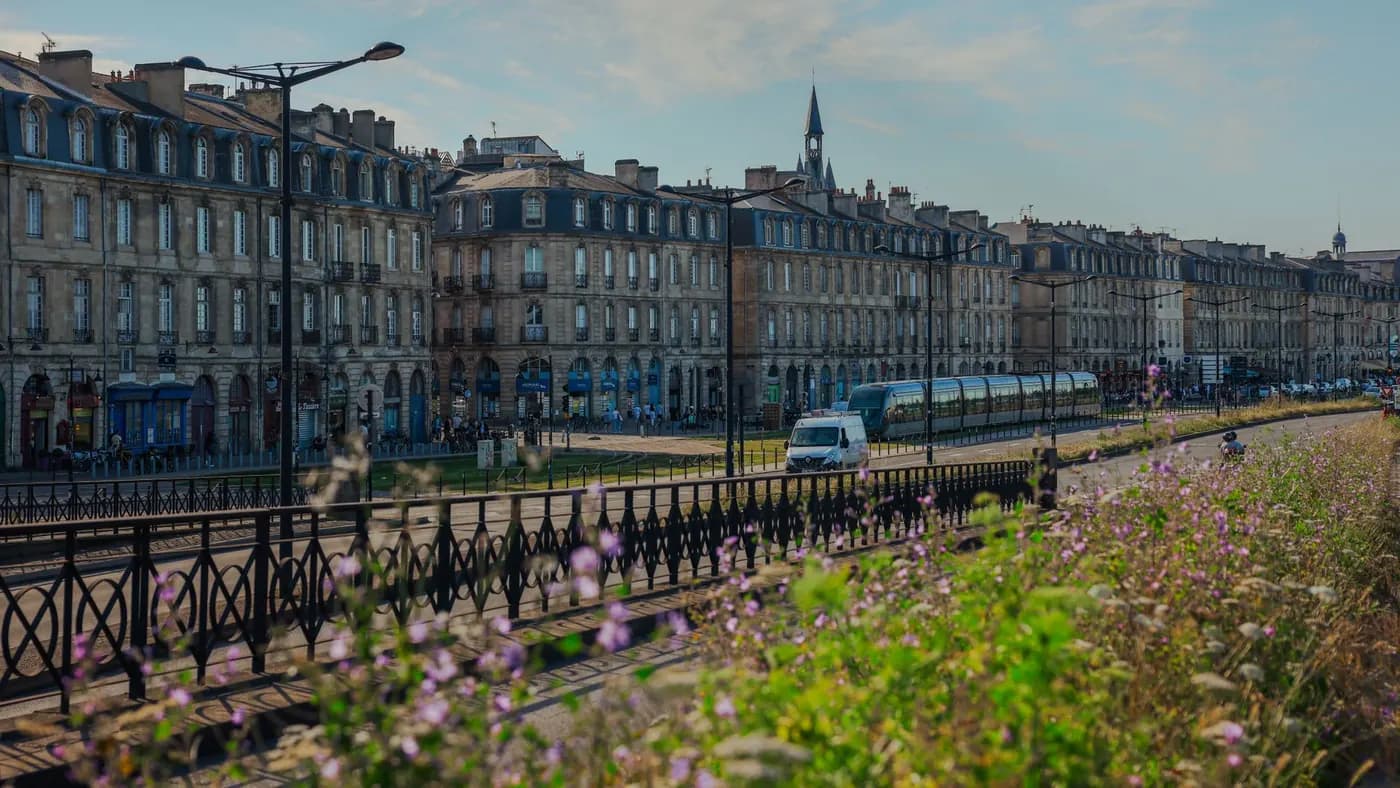
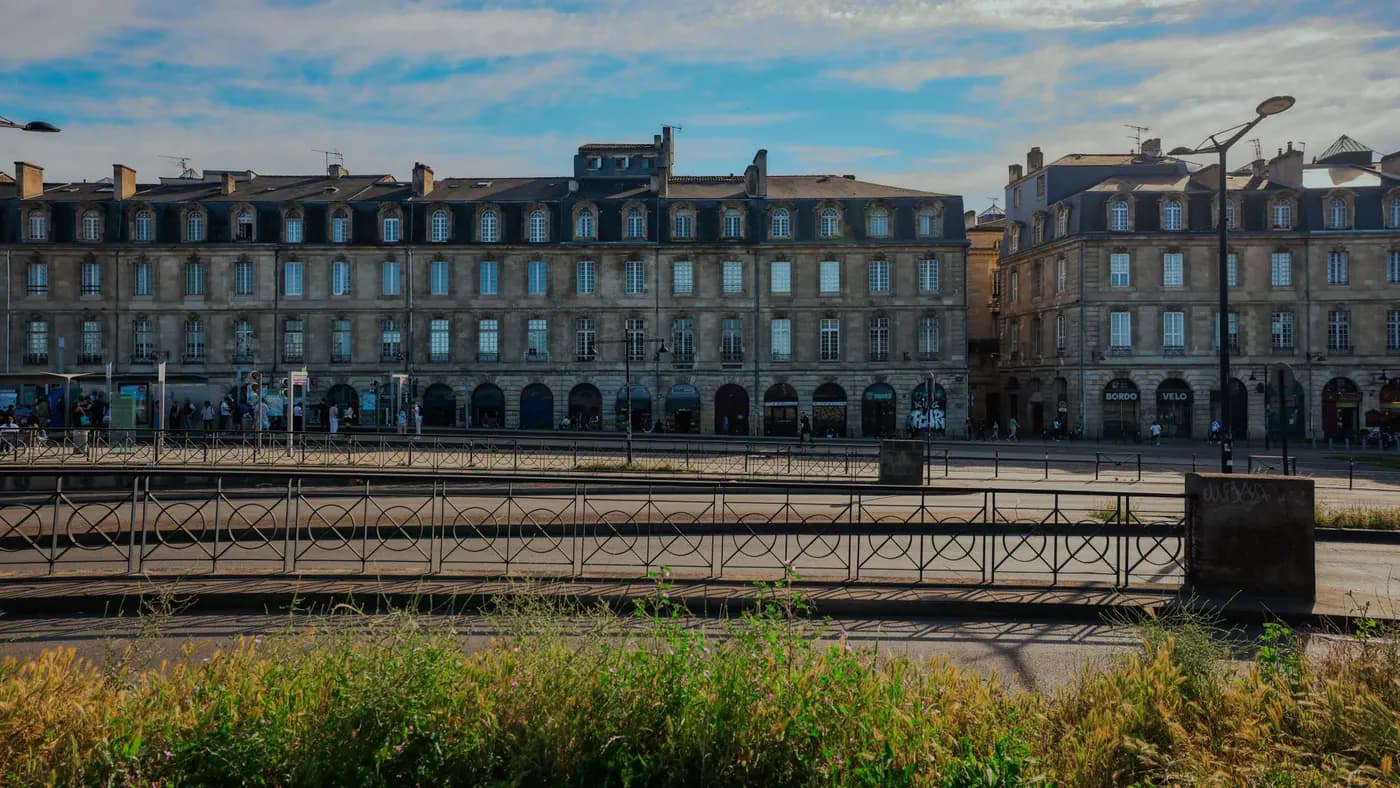
Bordeaux has become one of the most convincing destinations in France for a seminar or an incentive. The TGV from Paris-Montparnasse takes about two hours, the airport is served by a wide range of European routes, and the city centre, listed by UNESCO as the Port of the Moon, can be crossed on foot in a few minutes. For a travel manager, this means short transfers, predictable timings and very little lost time between a plenary session and the first aperitif.
The destination also carries a reputation that needs no introduction. Whether participants know a great deal about wine or none at all, the names of Saint-Émilion, Pomerol, Sauternes and the Médoc create immediate interest. That curiosity is a useful asset for a company that wants a group to arrive in a receptive state of mind.
Meeting venues and hotels
For a seminar Bordeaux offers three broad types of setting. City hotels with meeting rooms, such as the Renaissance Bordeaux, the InterContinental Bordeaux Le Grand Hôtel or the Mercure Bordeaux Château Chartrons, suit groups that wish to combine work and evenings in town. Lakeside business hotels such as the Novotel and the Pullman at Bordeaux Lac sit close to the exhibition park and the congress facilities, and are practical for larger meetings. Estate hotels in the vineyards, including Les Sources de Caudalie in Martillac and Cordeillan-Bages in the Médoc, offer a more secluded atmosphere and are well adapted to board meetings and leadership retreats.
The Bordeaux Palais des Congrès and the Parc des Expositions serve larger conventions. As always, availability, capacities and room configurations should be confirmed with the venue at the time of enquiry, since these details change with renovations and event calendars.
Wine days that go beyond the tasting
The vineyards are the obvious highlight, but a well-designed day avoids the standard sequence of a cellar visit followed by a tasting. Several formats work particularly well with corporate groups:
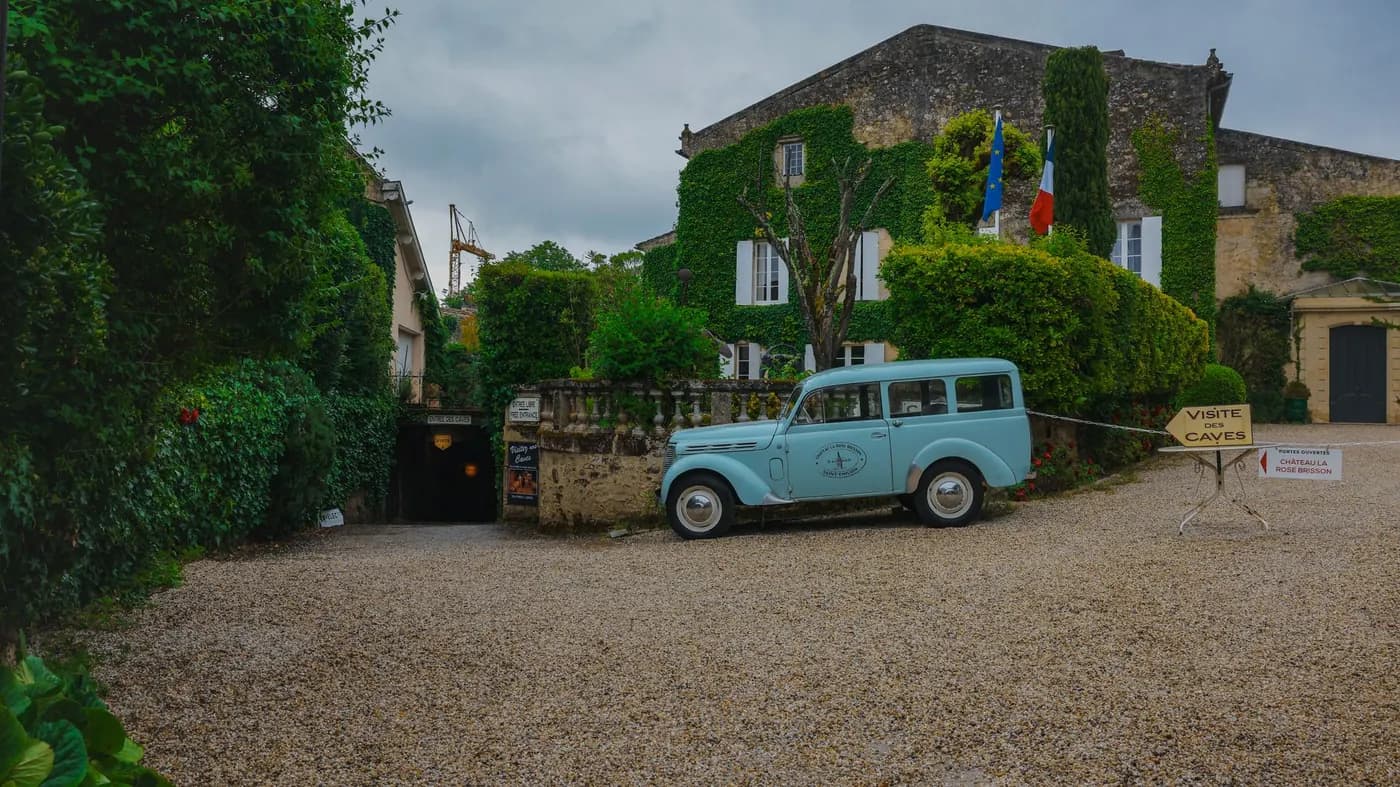
- A private visit of a classified estate, including the cellars and a lunch with the owner or the estate manager.
- A blending workshop in Saint-Émilion, where teams assemble their own cuvée from the main grape varieties and discuss the result as a jury would.
- A dinner in a barrel cellar, which offers a striking setting for a gala or a client evening.
- A walk through the medieval village of Saint-Émilion, also UNESCO-listed, ending with a tasting at a smaller property.
Access to the best-known châteaux is selective and depends on the calendar of each estate. A DMC with long-standing relationships can often obtain a private slot, but it is wise to start the request at least several months ahead, and earlier for a group of more than fifty people.
Beyond the vines: the city, the river and the coast
A group that spends three days in Bordeaux should see more than vineyards. The riverfront, the Place de la Bourse and its Miroir d'eau, the Grand Théâtre and the Cité du Vin offer varied backdrops for welcome drinks and short cultural visits. A boat trip on the Garonne at the end of the day is a calm and elegant way to gather the group.
The Atlantic coast provides a counterpoint. The Bassin d'Arcachon is about an hour from the city, with oyster farms, wooden pinasses and the Dune du Pilat, the highest sand dune in Europe. A lunch of oysters and white wine in the oyster villages, followed by a short boat trip, is often remembered as the highlight of the stay by participants who expected only wine.
Best seasons and practical planning
Late spring, from May to June, and early autumn, from September to October, are generally the most comfortable and the most requested periods. The harvest, which usually runs from September into early October depending on the year, gives the vineyards a unique energy but also makes some estates less available for large groups. Summer can be hot, and July and August are better suited to programmes built around the coast and the evening. Winter is quieter, with attractive rates, and works well for working seminars where the programme is lighter.
For logistics, plan coaches for the vineyard days with a driver who knows the narrow estate roads, confirm the opening days of restaurants and estates (many close on Sundays or Mondays), and keep a flexible margin on the return trip to the station or airport. We recommend building a programme with one genuinely exceptional moment per day rather than a dense schedule that tires the group.
Frequently asked questions
How long does it take to get from Paris to Bordeaux?
The TGV from Paris-Montparnasse to Bordeaux Saint-Jean takes about two hours. Direct flights also operate from Paris, but for most groups the train is simpler and more reliable.
Can we organise a seminar in Bordeaux for fewer than 20 people?
Yes. Small executive groups are well served by estate hotels and by private châteaux, which offer meeting rooms, a private dining table and a quiet setting away from the city.
What is the best time of year for a seminar in Bordeaux?
May, June, September and October are generally the best months. The harvest is atmospheric but can reduce estate availability, so requests should be made well in advance.
Are the famous châteaux open to corporate groups?
Many are, but access is selective and depends on each estate's calendar. A private visit with a tasting or lunch usually needs to be requested several months ahead.
The French DMC · Updated