Why Champagne works for a corporate group
A seminar in Champagne offers something many destinations cannot: a short journey that nevertheless feels like a genuine change of setting. Reims is about 45 minutes from Paris-Gare de l'Est by TGV, and Épernay lies a little further along the same valley. A group can leave Paris in the morning and begin a working session before lunch, and return the next evening or the day after without losing a full day to transport. For international participants, Paris-Charles de Gaulle remains the usual gateway, with onward transfer by coach or by rail via Paris.
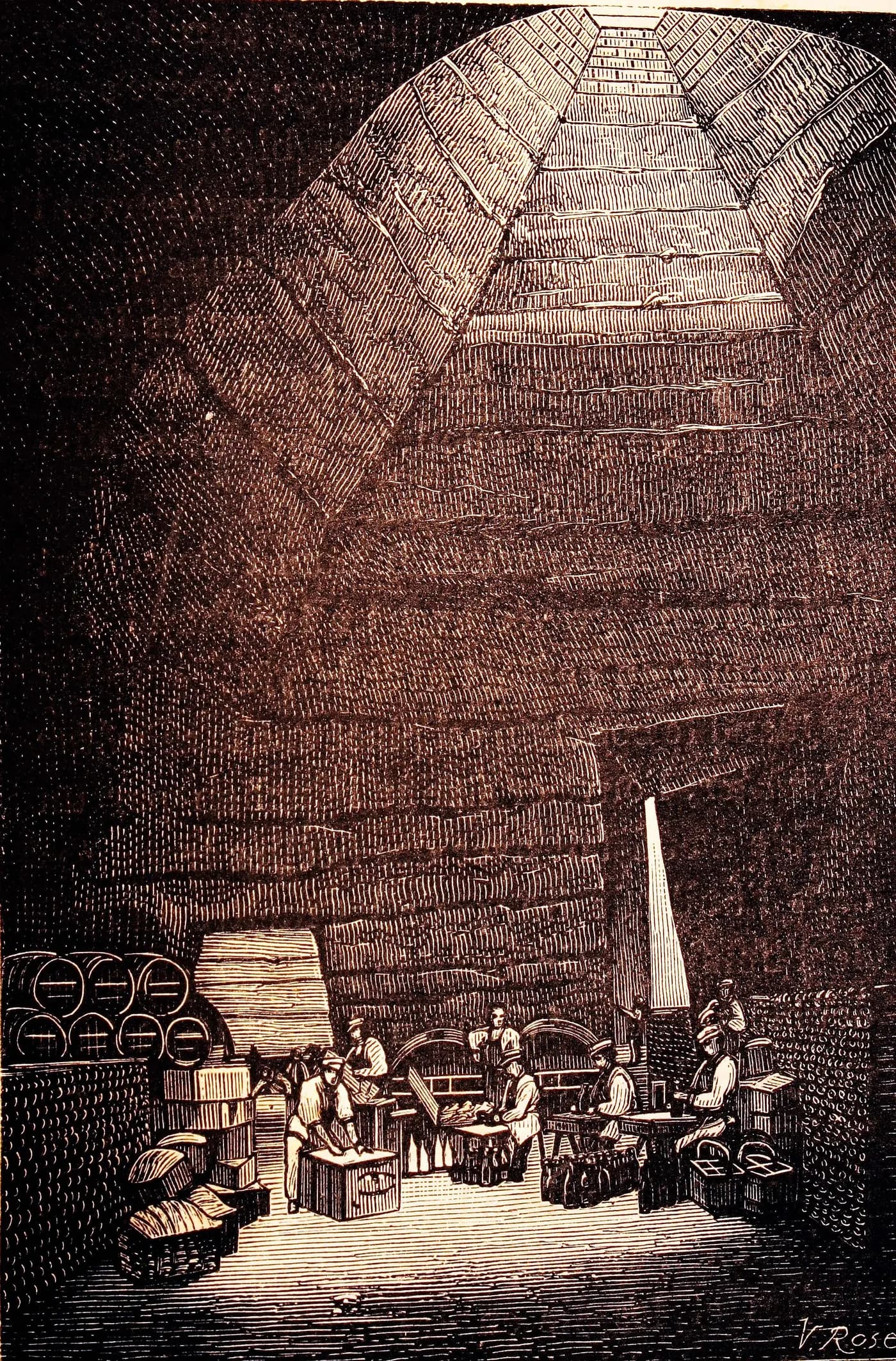
The region also has a coherent identity. The Champagne hillsides, houses and cellars were inscribed on the UNESCO World Heritage List in 2015, and Reims Cathedral, traditionally the coronation church of the kings of France, anchors the heritage of the city. A programme here does not need to invent a theme: the story of the wine, of the chalk cellars and of the craft of blending already exists, and it is told by people who work with it every day.
Reims or Épernay: choosing a base
Reims is the larger city. It has a TGV station, a congress centre, a dense choice of restaurants and the cathedral at its heart, and it suits seminars that need meeting rooms, simple logistics and evenings that can be spent on foot. The Best Western Premier Hôtel de la Paix is a practical city-centre address. Domaine Les Crayères, a château-hotel set in a park, is better suited to executive groups that value calm and a very serious table, and L'Assiette Champenoise, on the edge of Reims, combines a gastronomic restaurant with a hotel.
Épernay is smaller and more intimate. Its Avenue de Champagne, lined with the houses of several well-known producers, forms part of the UNESCO listing. Between the two towns, the Royal Champagne Hotel & Spa looks over the vineyards and suits a group that wants to be inside the landscape rather than in a city. In our experience the choice depends on the group: a convention-style seminar will favour Reims, while a board retreat of twenty or thirty people will often prefer the vineyards. Capacities, room configurations and privatisation options vary from one property to another and should be confirmed at the time of the request.
Cellars, tastings and blending
The chalk cellars are the signature of the region, and they can be used in several ways depending on the objective of the programme:
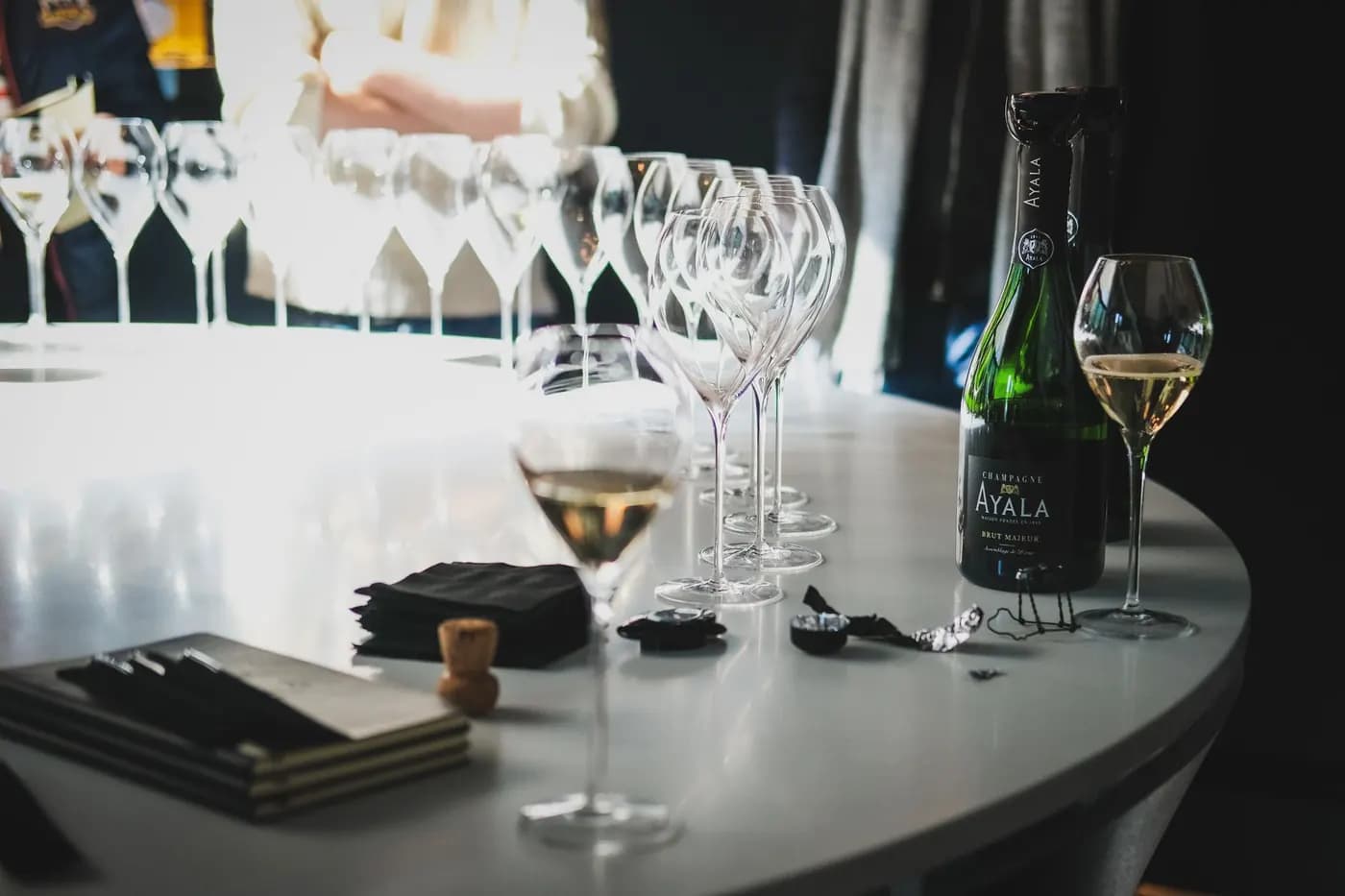
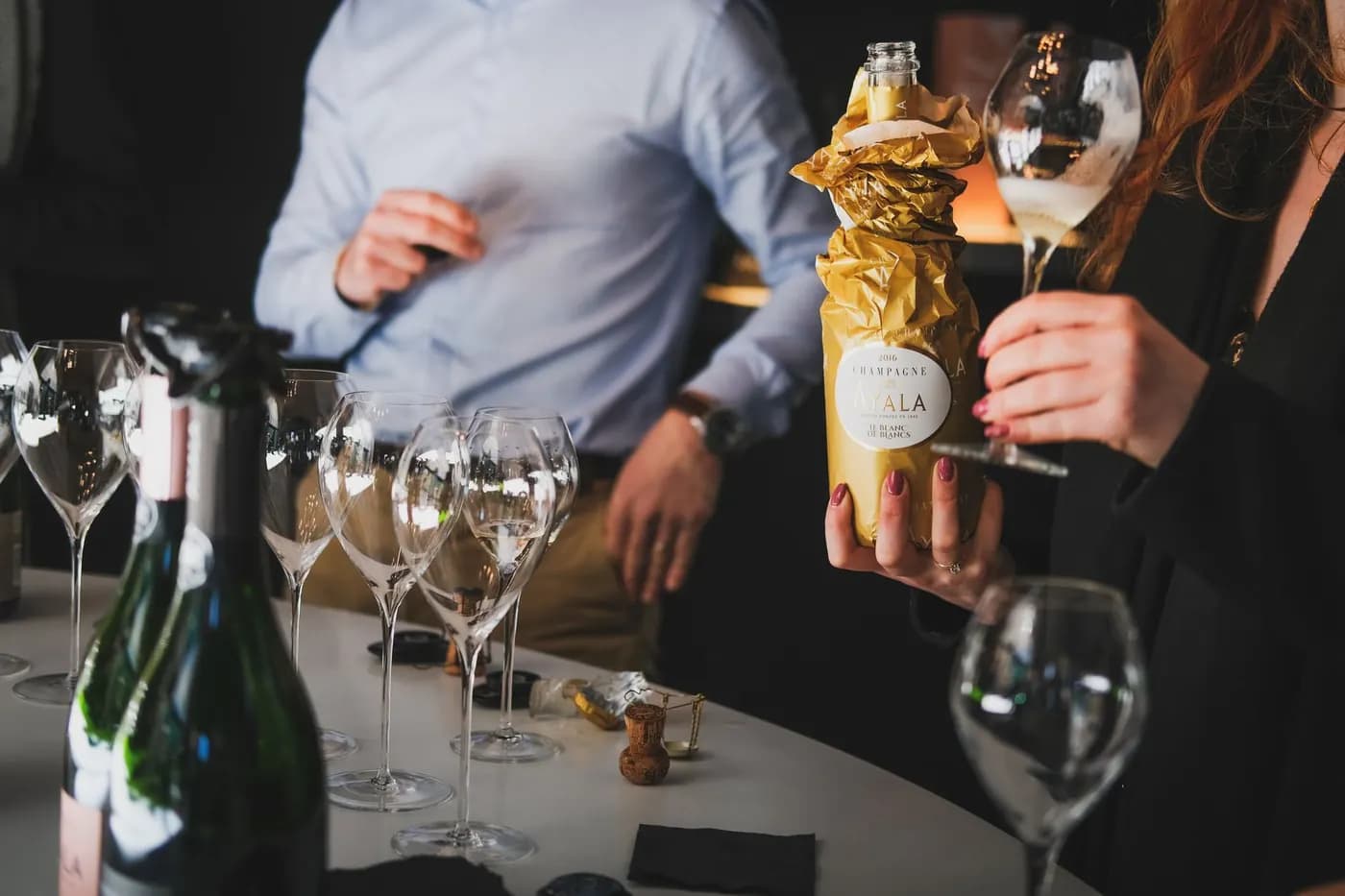
- A private cellar visit followed by a tasting, which suits a welcome session or a reward for a sales team.
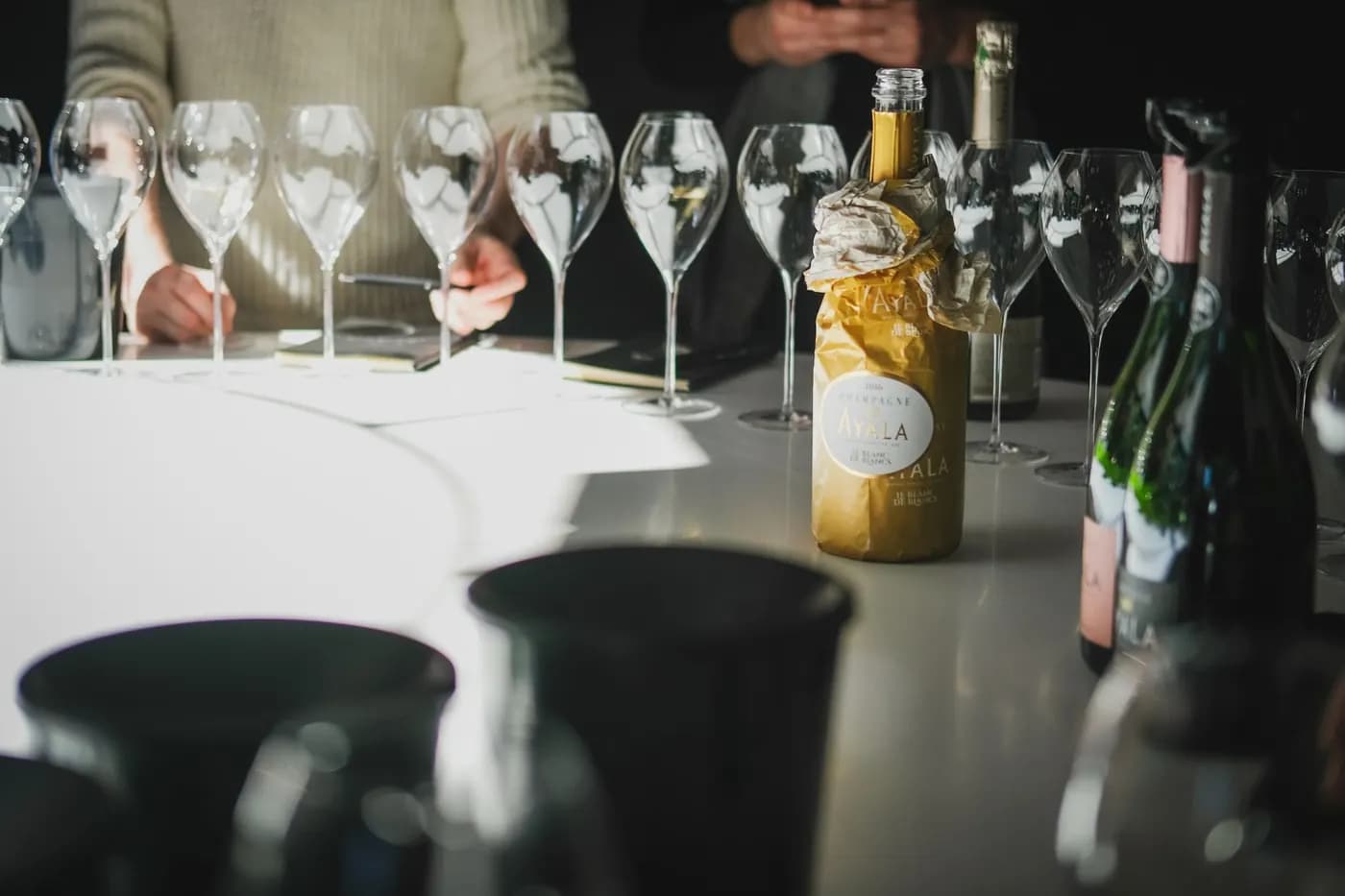
- A blending session, in which teams compose a cuvée from separate base wines and then compare their results with the cellar master's. It works well as team building because it requires listening, compromise and a decision.
- A dinner in a cellar, usually the most memorable evening, though it needs careful planning for service, heating and access.
- Participation in the grape harvest in late summer, for groups that wish to see the work behind the bottle.
Two practical points apply to all of these. The cellars stay cool throughout the year, at roughly 10 to 12 °C, so participants should bring a warm layer even in July. Many cellars also involve staircases, which should be flagged early for anyone with reduced mobility so that an alternative can be prepared. Finally, we recommend placing the tasting after the working session rather than before it.
Heritage and pace beyond the cellar
A programme built only on tastings risks fatigue by the second day. The region offers enough variety to avoid it. In Reims, a guided visit of the cathedral and of the neighbouring Palais du Tau places the champagne story in the history of the French monarchy. The village of Hautvillers, associated with the monk Dom Pérignon, and the vineyard roads of the Montagne de Reims and the Marne valley are suited to a walk or a morning by bicycle.
We usually suggest alternating a day of tasting with a day of landscape and culture, and keeping one evening deliberately simple. A group that has been welcomed in a cellar on the first night will appreciate a restaurant dinner without ceremony on the second.
Seasons and booking lead times
Spring and early autumn are the most comfortable seasons, with mild days and visible vineyards. The grape harvest takes place in late summer, and its exact dates are decided each year by the profession; during these weeks, houses are at their busiest and availability for private visits can be restricted. Winter is cold, but the cellars are no colder than usual and the region is quiet, which can suit a small executive meeting.
Because cellars have limited space, groups of more than forty are often divided into two rotations, with one half visiting while the other has a tasting or a workshop. This must be designed in advance. Private visits and dinners in cellars should be requested several months ahead, particularly for September and for the weeks preceding the end-of-year holidays. We also advise checking the calendar of trade events in Reims and Épernay before choosing dates, as hotels can fill unexpectedly.
Frequently asked questions
How long does it take to reach Reims from Paris?
The TGV from Paris-Gare de l'Est to Reims takes about 45 minutes. Épernay is reached by regional train or by coach from Reims, in a little more time.
What is the best time of year for a seminar in Champagne?
Spring and early autumn are the most comfortable. The grape harvest in late summer is attractive but busy, so private visits must be requested early.
Can a large group visit a champagne cellar together?
Cellar capacity is limited, so groups of more than about forty are usually split into rotations. We design the schedule so that each half has a tasting or a workshop while the other visits.
Are the cellars accessible to people with reduced mobility?
Many cellars are reached by staircases, and access varies by house. Please tell us at the briefing stage so that we can propose an adapted route or an alternative tasting room.
The French DMC · Updated